
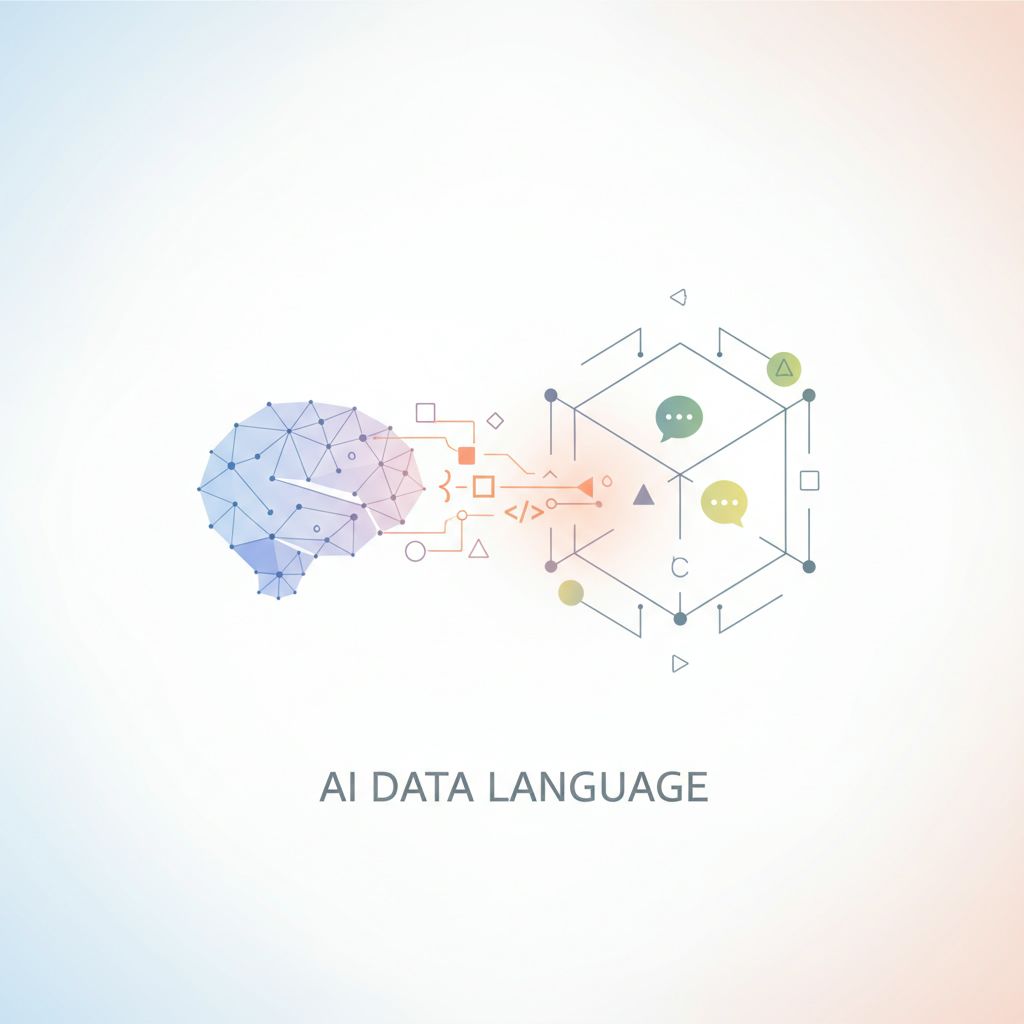
In today’s fast-paced digital landscape, AI is transforming how businesses operate, making it essential for your data to speak your language. Understanding how to implement artificial intelligence effectively can bridge the gap between data users and the insights they need. This blog explores the importance of aligning data with business language through AI and how organizations can create a shared understanding of their data.
The Importance of AI in Bridging Data Gaps
Artificial intelligence has emerged as a game-changer in data management. Research indicates that organizations leveraging AI services witness improved decision-making processes. However, a significant gap often exists between the data presented and the business context in which it is used. This misalignment can lead to confusion and ineffective strategies.
Understanding Business Language in Data
To facilitate effective AI workflows, organizations must ensure that their data speaks the language of the business. This involves defining key terms and metrics that are relevant to the organization’s objectives. For instance, when teams discuss KPIs, everyone must share a common understanding of what those KPIs mean. Without this clarity, data can become a source of frustration rather than a tool for insight.
Steps to Implement AI Effectively
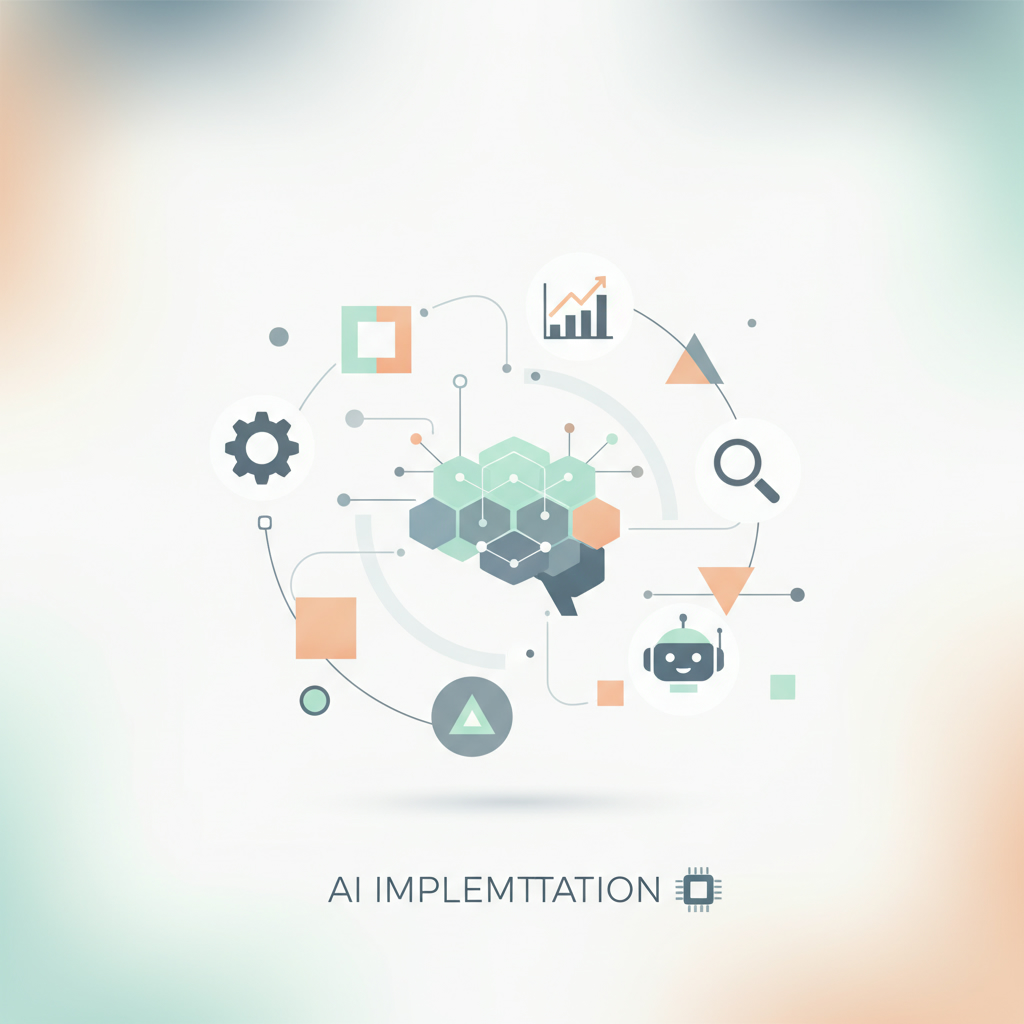
Implementing AI successfully requires a strategic approach:
1. Identify Key Data: Determine which datasets are critical for your business operations. This includes understanding your master data and the KPIs that drive your decisions.
2. Model Your Data: Create a clear model of your data that reflects its importance and context within the organization. This step ensures everyone understands how to interpret the data.
3. Use AI to Automate Understanding: Leverage AI tools to automate the analysis processes, making it easier for teams to access and interpret data without technical barriers.
The Role of Metadata in AI Implementation
Metadata plays a crucial role in ensuring that AI understands the context of the data it processes. By defining the meanings and relationships of data elements, organizations can enhance the effectiveness of their AI bots and AI voice interfaces. This approach allows AI to deliver insights that are not only technically accurate but also relevant to business objectives.
AI Governance and the Future of Data Management
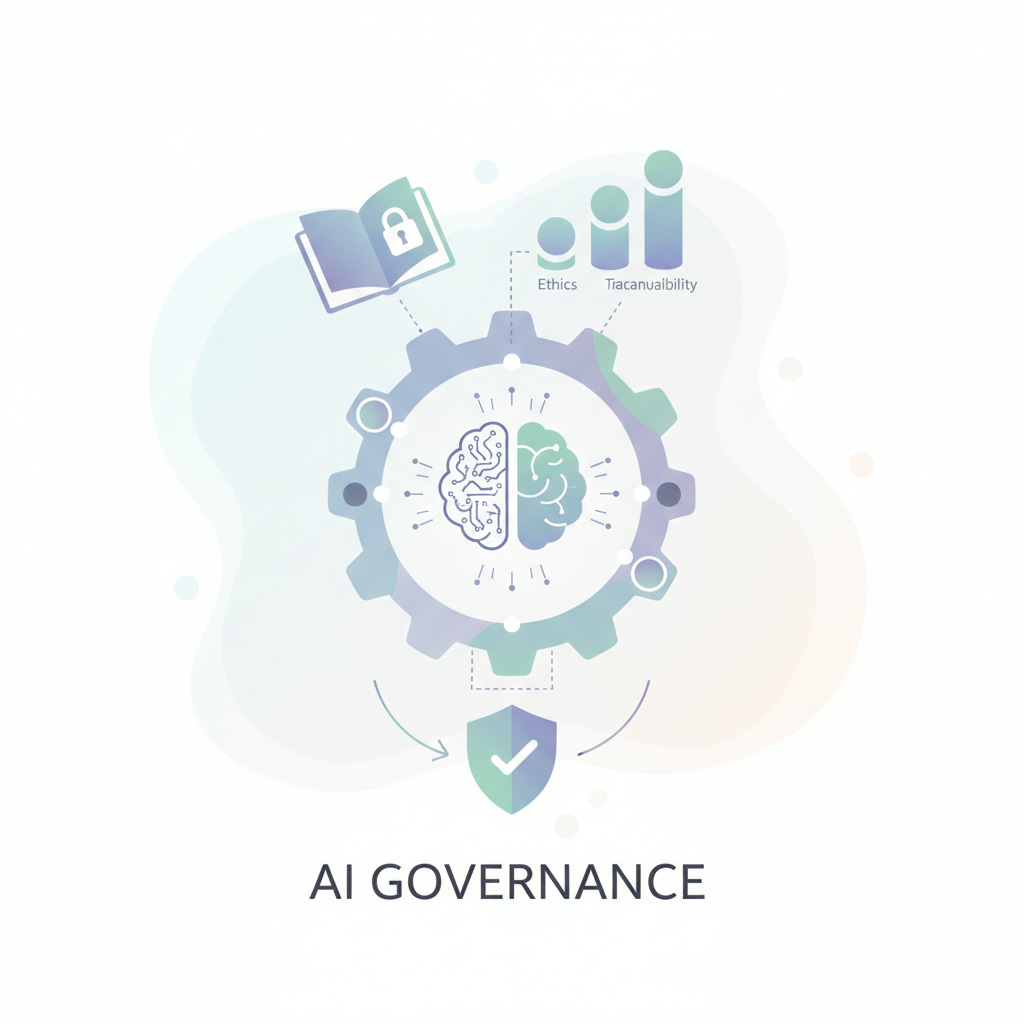
As organizations increasingly rely on AI, the governance of data will need to evolve. Experts agree that data governance teams must now take on the responsibility for managing ontologies and ensuring that data definitions are consistent across various domains. This shift means that teams must work collaboratively to create a comprehensive framework that supports both data integrity and business relevance.
Moving Beyond Traditional Roles
In the evolving landscape of artificial intelligence, traditional roles within data management are also changing. The emergence of AI agents and their operational capabilities requires a new approach to governance. Organizations must focus on creating a culture that emphasizes business understanding among data professionals. This cultural shift is vital to ensure that AI implementations contribute meaningfully to business outcomes.
Call to Action
As your organization looks to implement AI, consider the importance of aligning your data with business language. For expert assistance, contact our AI agency to help you navigate the complexities of AI implementation and governance.
In summary, making your data speak your language through effective AI integration is crucial for modern businesses. By focusing on shared understanding, effective modeling, and robust governance, organizations can harness the full potential of their data. To explore more about how to implement artificial intelligence successfully, visit Implement Artificial Intelligence.