
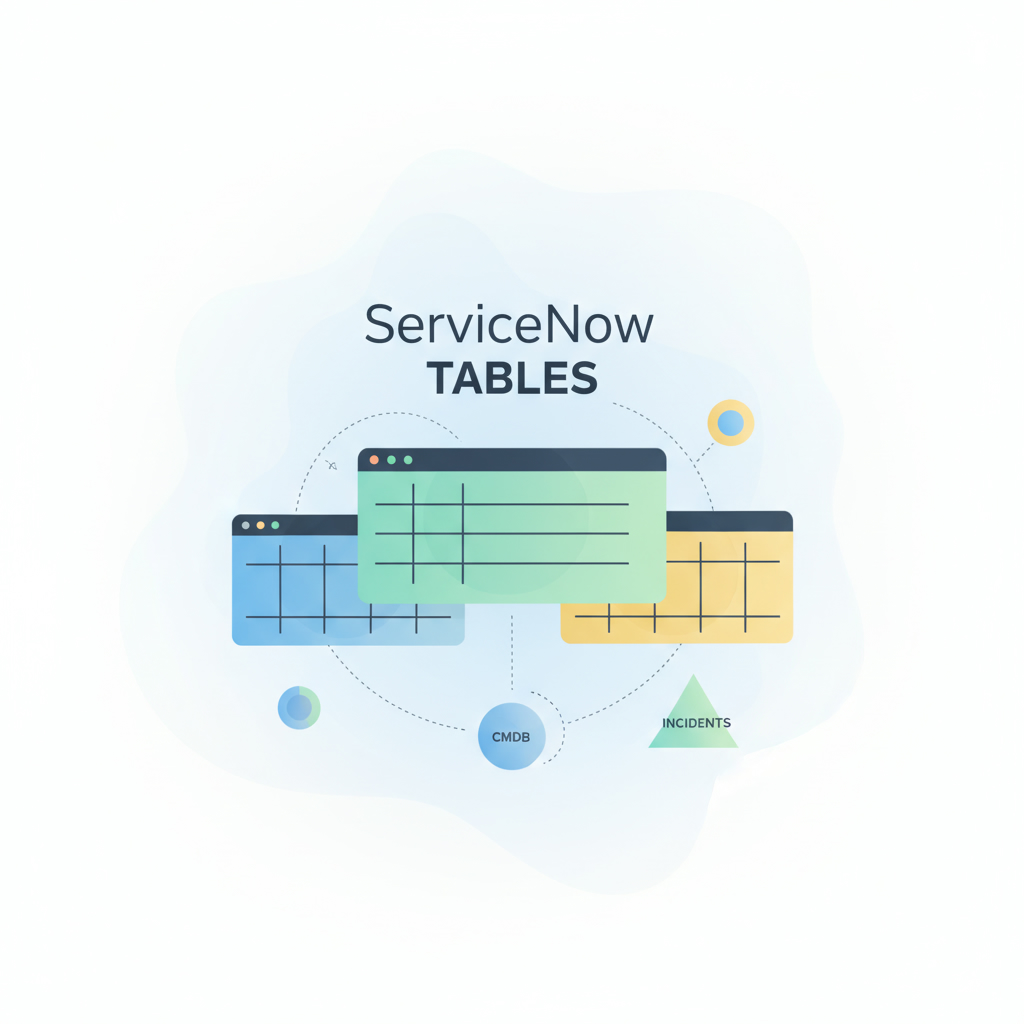
In the realm of ServiceNow, understanding how to implement artificial intelligence effectively begins with grasping the concept of tables. Everything you see in the platform, from incidents to users, is structured in database tables, which serve as the backbone of the ServiceNow ecosystem. This realization opens up a new perspective on managing data within the platform, allowing you to speak confidently in interviews and discussions. This article will explore the significance of tables in ServiceNow and how they relate to your ability to leverage AI services effectively.
The Foundation of ServiceNow: Database Tables
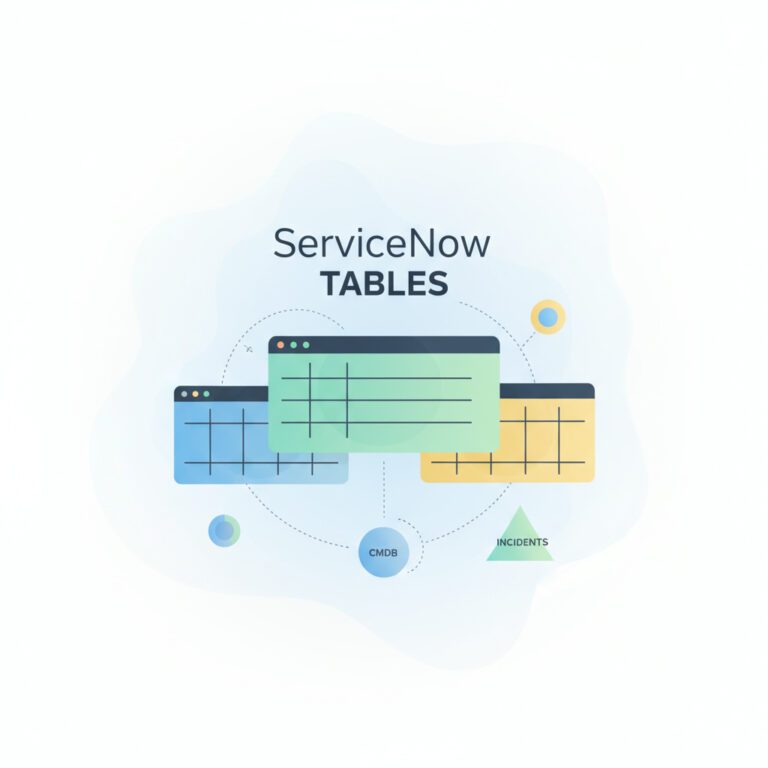
At its core, the ServiceNow platform operates on a relational database, making it essential to understand the role of tables. A table in ServiceNow functions much like a digital spreadsheet, where:
– Rows represent records: Each row corresponds to a unique entry, such as an incident or a user.
– Columns signify fields: Each column defines specific attributes of the records, such as a user’s name or an incident’s status.
Everything in ServiceNow, including incidents, approvals, and configuration items, is stored within these tables, facilitating seamless data flow and interaction across various applications. This foundational structure is pivotal when considering how to implement AI workflows that can enhance organizational efficiency.
Understanding Table Inheritance in ServiceNow
One of the standout features of ServiceNow is its support for table inheritance. This allows for the creation of new tables based on existing ones, enabling them to inherit fields and properties from their parent tables. This hierarchical structure is crucial for maintaining consistency across the database. For instance:
– Parent Table: The Task table serves as a parent table.
– Child Tables: Incident, Change Request, and Problem tables extend from the Task table, inheriting its core structure while allowing for specific customization.
Such design not only streamlines the data model but also enhances your ability to create AI bots that can interact with various data sets efficiently, thereby improving service management processes.
Effectively Discussing Data Organization in Interviews
When preparing for interviews, it’s important to articulate your understanding of how data is organized in ServiceNow. A well-structured response might begin with:
> “Every piece of data in ServiceNow lives in a table, similar to a spreadsheet, where each row is a record and each column is a field. When viewing a list or form, you are interacting with these tables.”
Highlighting your practical experience can set you apart from other candidates. For instance, you might say:
> “In my last project, I customized a table extending from the Task table. This allowed me to build reports and automations efficiently, leveraging inherited fields.”
Even without professional experience, sharing insights from hands-on practice in a personal developer instance demonstrates your proactive learning approach.
The Value of Consistency and Visibility in Data Management
The true power of ServiceNow lies in its consistent data model, which dramatically enhances visibility across applications. When all applications are built on the same tables, it becomes easier to implement AI solutions that automate processes and generate insightful reports. Interviewers appreciate candidates who recognize this value, as it reflects a deeper understanding of the platform’s capabilities.
By emphasizing the importance of a unified data model, you can demonstrate your potential to contribute to business efficiency through AI services.
Advancing Your Career with ServiceNow Certification
To truly stand out in your career, obtaining your Certified System Administrator (CSA) certification can be a game-changer. This certification validates your understanding of the ServiceNow platform, showcasing both theoretical knowledge and practical experience. Resources like the CSA study companion ebook provide a solid foundation in core concepts, while the CSA Master Class offers hands-on training and a community of peers.
By investing in your education and certification, you not only enhance your resume but also position yourself as a knowledgeable candidate ready to leverage artificial intelligence in organizational contexts.
If you’re ready to elevate your understanding and implementation of AI, consider exploring the resources available at Implement Artificial Intelligence for further guidance.
With a deeper understanding of how data is structured and managed in ServiceNow, you can confidently navigate your career path and excel in interviews, showcasing your ability to implement artificial intelligence effectively.
By mastering the intricacies of ServiceNow tables and their role in data management, you’re setting yourself up for success in a rapidly evolving tech landscape.