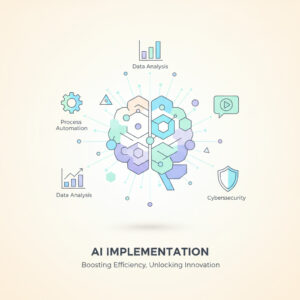

In today’s fast-paced data environment, implementing artificial intelligence can transform how organizations create and interact with dashboards. However, the advent of AI has also introduced the challenge of ‘dashboard slop’—a term that describes poorly constructed dashboards that fail to provide meaningful insights. This blog post will explore the implications of dashboard slop, the importance of a solid semantic model, and how to leverage AI effectively to enhance data-driven decisions.
Understanding Dashboard Slop in the Age of AI
Experts agree that the democratization of data analytics through AI tools has made it easier than ever for anyone to create dashboards. While this accessibility is a positive development, it has also led to the proliferation of dashboards that lack foundational integrity. According to recent studies, without proper training and understanding of data context, users may create misleading visualizations that do not accurately reflect the underlying data.
The Role of Semantic Models
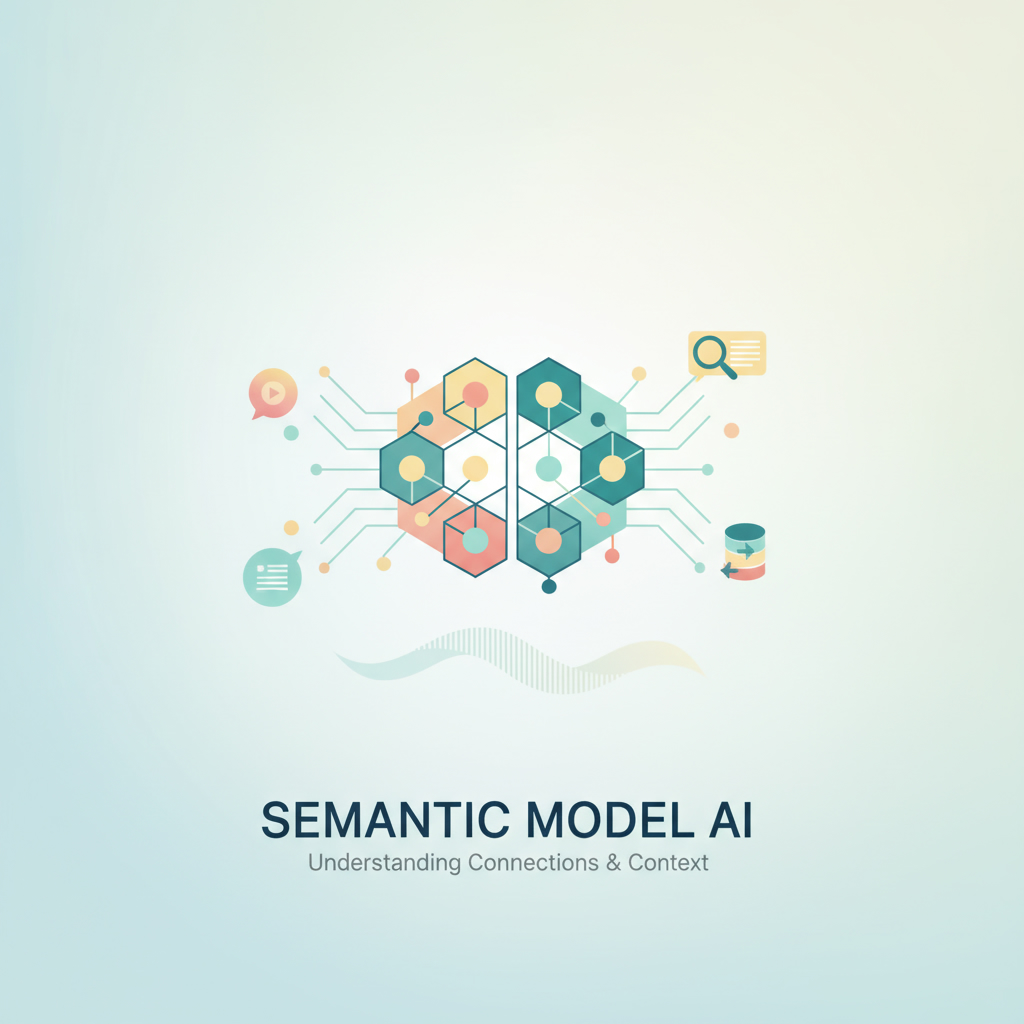
A robust semantic model is crucial for mitigating the effects of dashboard slop. AI services can help streamline the creation of these models, ensuring that all users have access to a consistent understanding of key metrics and definitions. Implementing AI can facilitate the development of a centralized semantic layer that provides clarity and trust in the data being presented. This is essential for organizations aiming to optimize their decision-making processes.
AI and Self-Service Analytics
The rise of self-service analytics powered by AI has changed how businesses operate. However, this shift raises questions about data fluency among users. As more individuals create dashboards independently, the risk of misinterpretation increases. It’s imperative for companies to invest in AI training to improve data literacy, ensuring that team members can accurately interpret and utilize data insights.
#### Challenges of AI-Generated Insights
While AI can provide quick solutions and generate insights, it is essential for users to understand the data sources behind these insights. Hiring an AI expert who can teach teams how to evaluate and verify AI outputs is a sound strategy. As AI becomes more integrated into everyday workflows, organizations must also develop protocols for testing and validating AI-generated dashboards to maintain data integrity.
Building Trust Through Transparency
Trust in data is paramount. As noted by industry leaders, transparency in the data sourcing and dashboard-building process can significantly enhance user confidence. Establishing a culture where users are encouraged to share their dashboards and the logic behind them can help identify discrepancies and promote collaboration. By fostering an environment of openness, businesses can leverage both AI and human expertise to refine their data strategies.

Conclusion: The Future of AI and Dashboard Integrity
In conclusion, while the integration of AI into dashboard creation offers exciting opportunities, it also presents challenges that must be addressed to avoid dashboard slop. Ensuring the presence of a solid semantic model, fostering data literacy, and maintaining transparency in data processes are crucial steps in this journey. Organizations looking to stay ahead in the data-driven landscape should consider working with an AI agency to implement best practices for effective data management. For more insights on leveraging AI in your organization, visit Implement Artificial Intelligence.
Get in touch today to learn how to effectively implement artificial intelligence in your business strategies and avoid the pitfalls of dashboard slop.