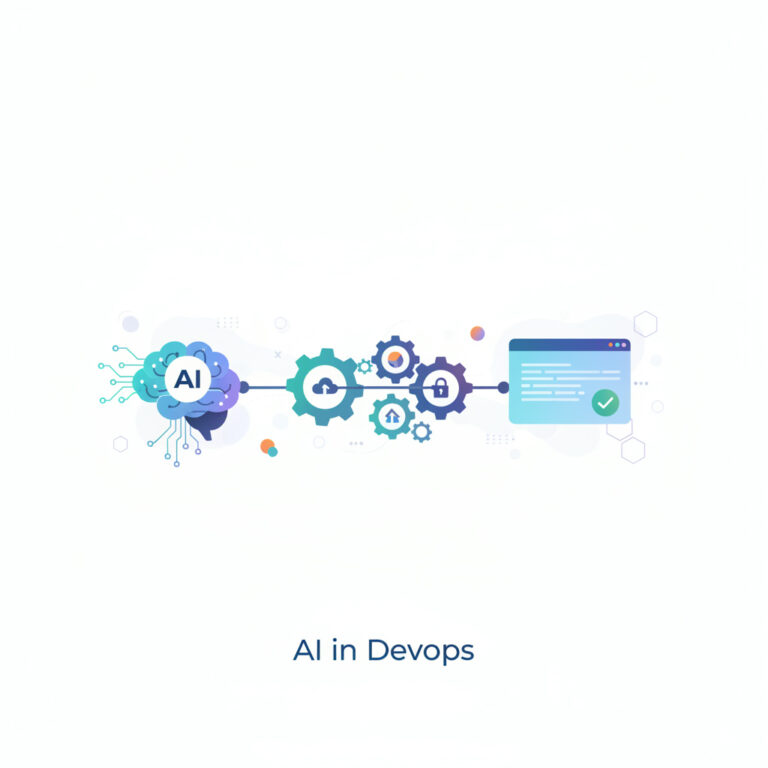
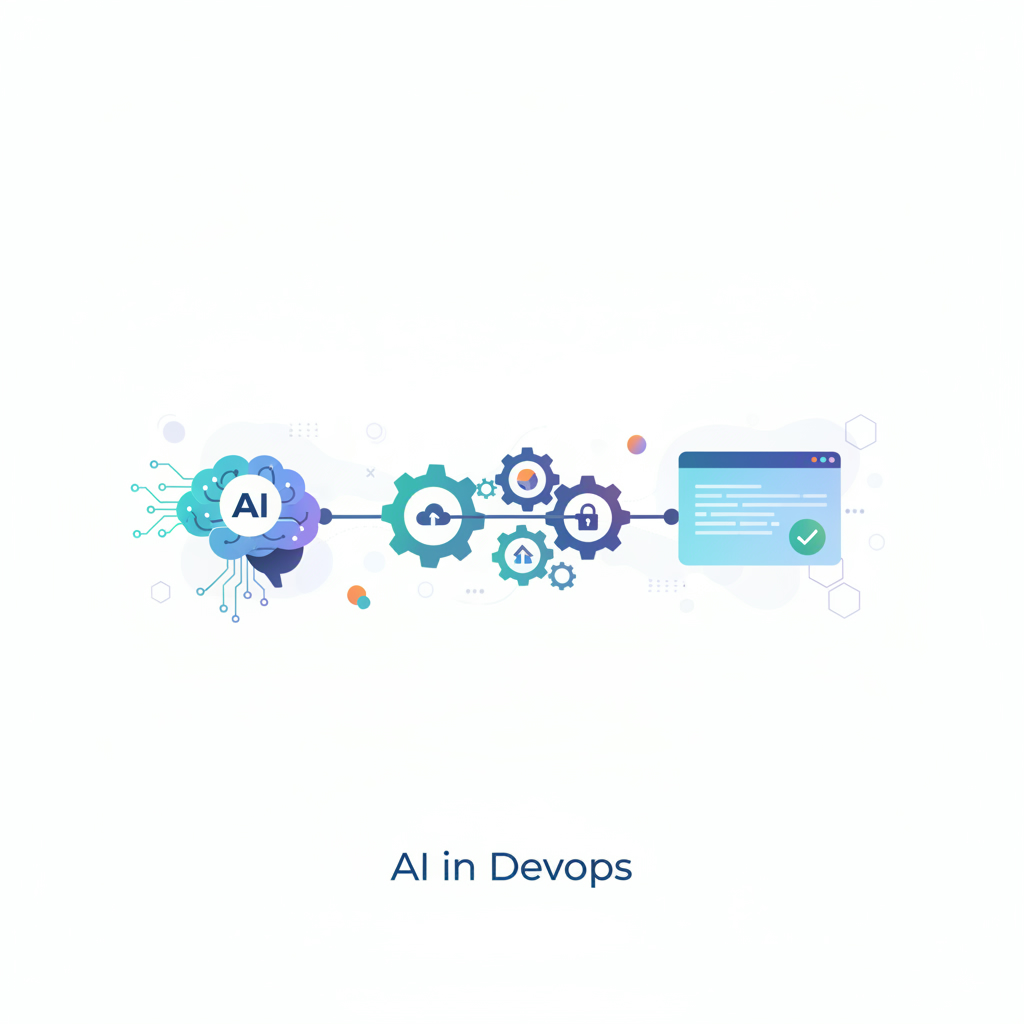
In today’s fast-paced digital landscape, the integration of AI into DevOps and digital release workflows is transforming how organizations approach change management. By implementing artificial intelligence, teams can streamline processes, enhance collaboration, and ultimately deliver higher quality products faster. This article explores the significant benefits of leveraging AI for improving DevOps and digital release management, providing insights into how organizations can implement these technologies effectively.
Understanding the Role of AI in DevOps
Artificial intelligence plays a crucial role in modern DevOps environments. Research indicates that organizations harnessing AI workflows can achieve a 30% reduction in deployment times while improving the accuracy of risk assessments. By automating routine tasks, teams can focus on strategic initiatives, increasing overall productivity and fostering innovation.
Benefits of AI in Change Management
Utilizing AI in change management yields various advantages:
– Enhanced Efficiency: AI tools can automate repetitive tasks, allowing teams to allocate resources more effectively.
– Data-Driven Insights: AI analyzes vast datasets to provide actionable insights, enabling teams to make informed decisions based on real-time data.
– Improved Quality Control: AI algorithms can identify potential issues before they escalate, ensuring higher quality releases.
Streamlining Digital Release Management with AI
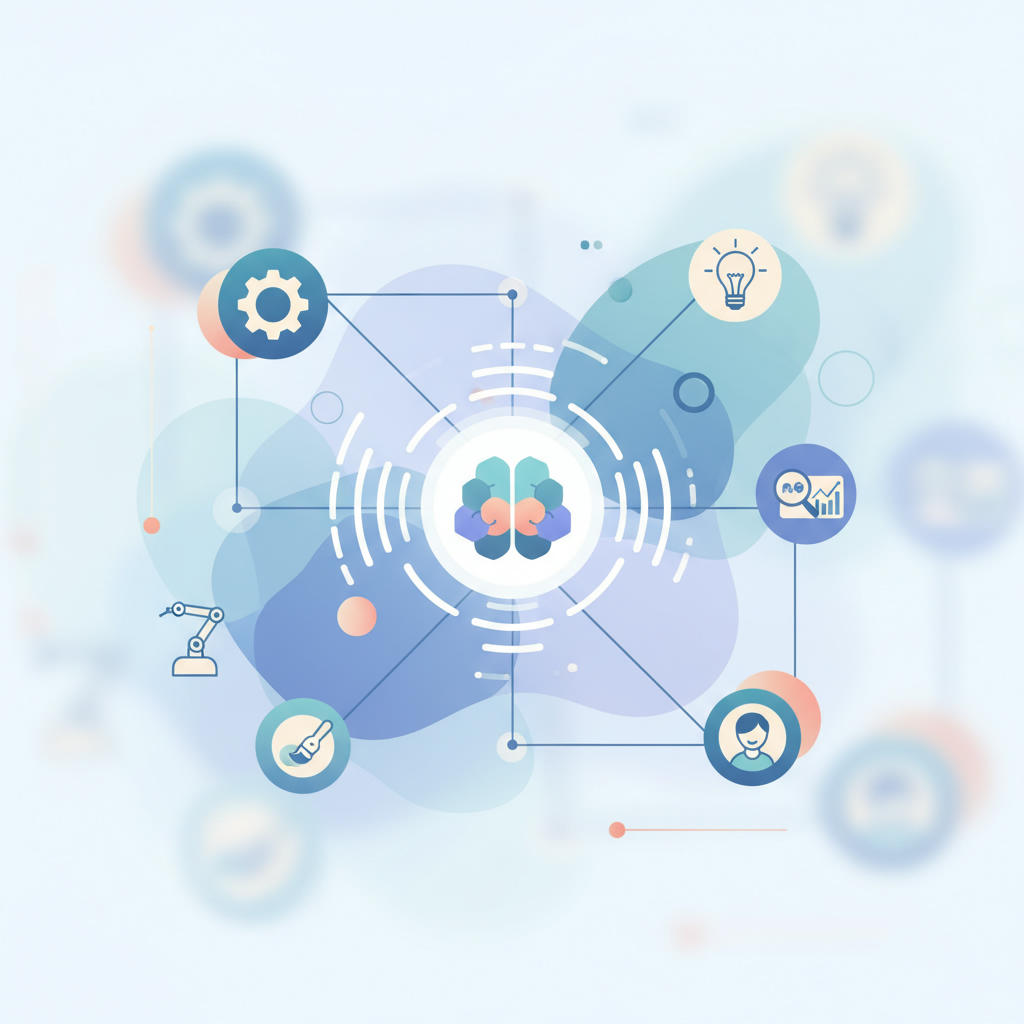
Digital release management is a critical aspect of software development, and incorporating AI can significantly enhance this process. According to studies, organizations that implement AI-driven solutions for release management can expect:
– Faster Release Cycles: By automating testing and deployment processes, teams can reduce time to market.
– Increased Collaboration: AI facilitates better communication among team members, breaking down silos and promoting a culture of collaboration.
– Real-Time Monitoring: Continuous monitoring powered by AI helps teams detect and resolve issues proactively, leading to smoother releases.
AI Innovations in Release Management
Innovations such as AI bots and AI voice assistants can assist in automating various stages of the release process:
– AI Bots: These can handle routine inquiries, provide status updates, and facilitate communication across teams.
– AI Voice Assistants: By integrating voice technology, teams can streamline workflows, allowing for hands-free operation and improved efficiency.
Implementing AI for Enhanced DevOps Performance
To successfully implement AI within your DevOps workflows, consider the following steps:
1. Assess Needs: Identify areas within your DevOps processes that can benefit from AI automation.
2. Choose the Right Tools: Select AI tools that align with your organizational goals and enhance existing workflows.
3. Train Your Team: Equip your team with the necessary skills to leverage AI effectively, ensuring they understand how to use new tools.
4. Monitor Progress: Continuously evaluate the impact of AI on your workflows and make adjustments as needed to maximize efficiency.
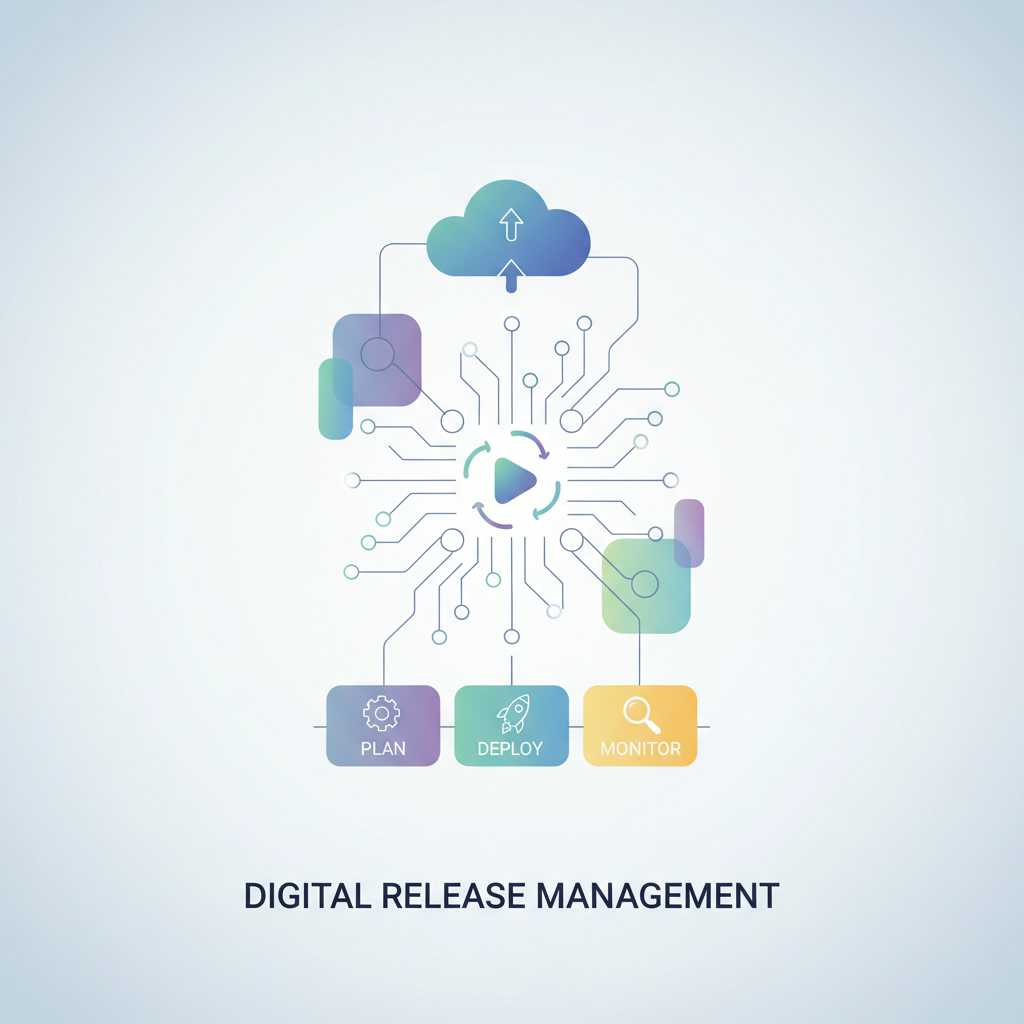
The Future of DevOps with AI
The integration of AI into DevOps and digital release workflows is not just a trend; it is a fundamental shift in how software development operates. Experts agree that organizations that fail to adapt risk falling behind in an increasingly competitive market. As AI technology continues to evolve, its potential applications in DevOps will expand, providing even more opportunities for efficiency and innovation.
Conclusion
In conclusion, implementing AI in DevOps and digital release management is a game-changer for organizations aiming to improve their workflows and product quality. By embracing this technology, teams can streamline processes, enhance collaboration, and ultimately deliver superior results. If you’re looking to implement artificial intelligence in your organization, visit Implement Artificial Intelligence for expert guidance and support.