Organizations today are increasingly looking to implement AI solutions to streamline their IT operations, enhance service delivery, and improve overall efficiency. Artificial intelligence offers powerful tools and methodologies that can revolutionize how businesses manage their IT services. One significant aspect of this transformation is service mapping, which allows companies to visualize and manage their IT resources effectively. In this article, we will explore how adopting AI-driven service mapping can provide businesses with actionable insights, enhance operational performance, and promote a seamless user experience.
Understanding Service Mapping in the Context of AI
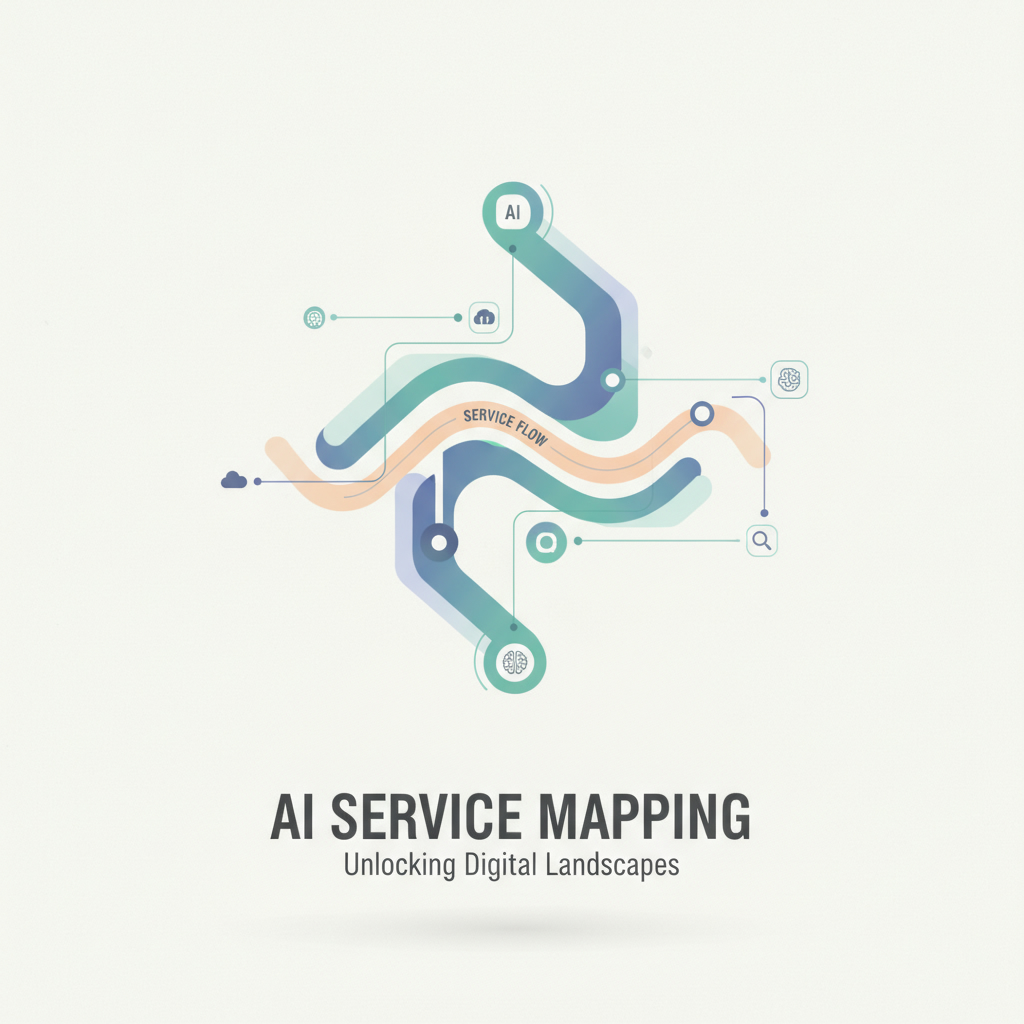
Service mapping is a critical component of IT operations management (ITOM) that involves identifying and mapping all the components of IT services, including hardware, software, and personnel. By leveraging AI workflows, organizations can automate this process, making it faster and more accurate. This automation not only saves time but also reduces human error, leading to a more reliable service mapping process.
The Role of AI in Enhancing Service Mapping
AI plays a pivotal role in enhancing service mapping by providing tools that automate data collection and analysis. According to a study by Gartner, organizations that integrate AI services into their IT operations experience up to a 30% reduction in operational costs. Here’s how AI can improve service mapping:
– Automation of Discovery: AI algorithms can automatically discover and categorize IT assets, making the service mapping process quicker and more efficient.
– Predictive Analytics: By analyzing historical data, AI can forecast potential issues in the service architecture before they impact service delivery.
– Dynamic Updates: AI can ensure that service maps are continuously updated in real-time, reflecting changes in the IT environment without manual intervention.
Implementing AI for Effective Service Mapping
To successfully implement AI in service mapping, organizations should consider the following steps:
1. Assess Current Capabilities: Evaluate existing IT infrastructure and determine the gaps that AI can fill in service mapping.
2. Select AI Tools: Choose appropriate AI tools that integrate seamlessly with your ITOM solutions to enhance service mapping capabilities.
3. Train Your Team: Ensure that your IT staff is trained to use AI tools effectively, focusing on leveraging data insights for better decision-making.
4. Monitor and Optimize: Continuously monitor the performance of AI-driven service mapping and optimize processes based on feedback and outcomes.
Benefits of AI-Driven Service Mapping
Implementing AI in service mapping offers several advantages:
– Improved Visibility: Organizations gain a comprehensive view of their IT services, enabling better management and optimization.
– Enhanced Collaboration: With a clear understanding of service dependencies, teams can work together more effectively to resolve issues.
– Informed Decision-Making: AI provides actionable insights that help IT leaders make informed decisions about resource allocation and risk management.
Conclusion: Transforming IT Operations with AI
The integration of artificial intelligence in service mapping is no longer optional; it’s essential for organizations striving for operational excellence. By leveraging AI technologies, businesses can streamline their IT operations, reduce costs, and enhance service delivery. If you are looking to hire an AI expert or collaborate with an AI agency, consider implementing AI in your service mapping strategy to unlock new levels of efficiency and effectiveness.
To learn more about how to implement AI in your organization, visit Implement Artificial Intelligence.
By embracing AI-driven service mapping, organizations can navigate the complexities of modern IT environments and position themselves for future success.