
In today’s rapidly evolving technological landscape, implementing AI can significantly enhance operational efficiency and visibility across organizations. Service mapping, a crucial component of AI integration, bridges the gap between technology and business services, ensuring that all components work seamlessly together. This blog delves into the leading practices of service mapping and how to effectively implement artificial intelligence in your organization, leveraging insights and strategies that can propel your business forward.
Understanding Service Mapping in AI Workflows
Service mapping is the practice of accurately populating service instances to enhance visibility within your Configuration Management Database (CMDB). By aligning your CMDB with the Common Service Data Model (CSDM), organizations can achieve a clearer perspective on their IT landscape. This alignment not only facilitates better decision-making but also integrates seamlessly with various AI services, boosting overall operational effectiveness.
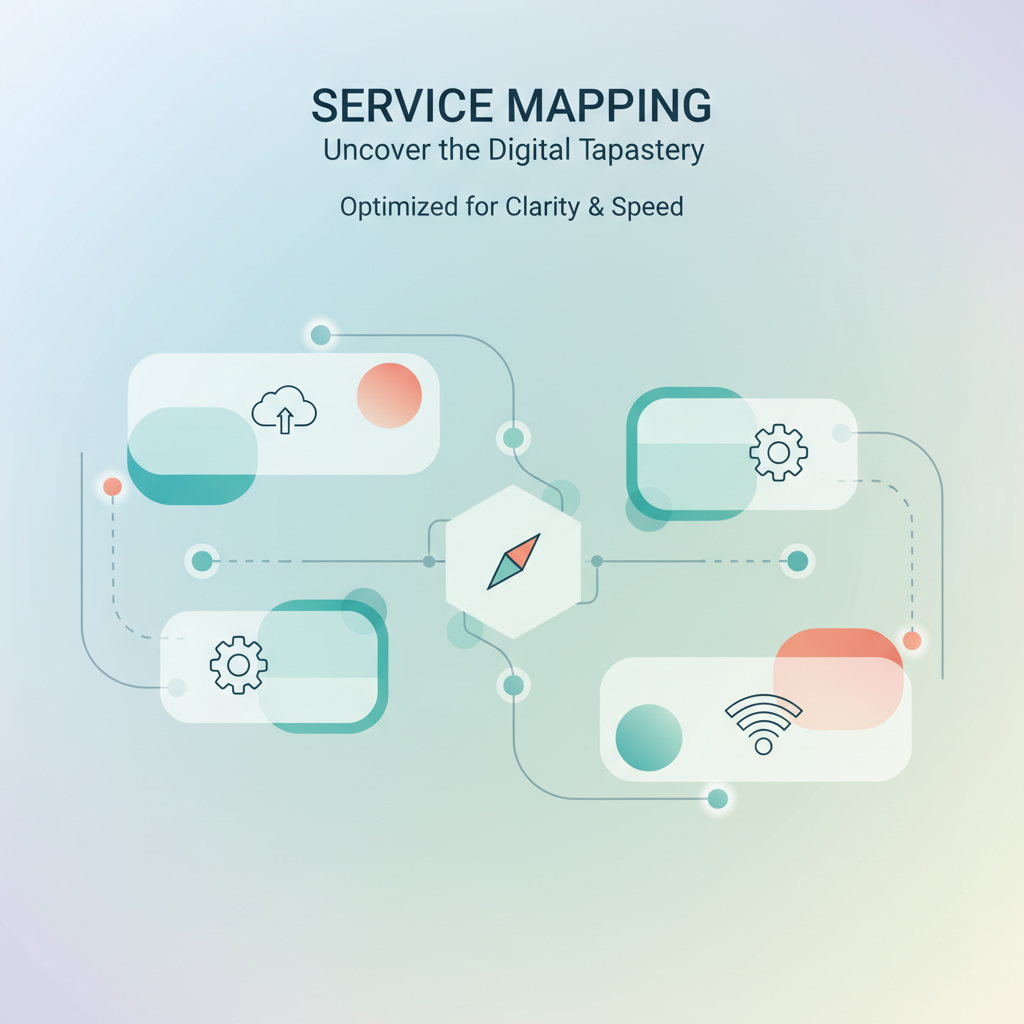
The value of service mapping lies in its ability to expose the intelligence from your CMDB to all products within the ServiceNow AI platform, allowing businesses to:
– Identify dependencies between services and infrastructure
– Automate workflows to improve efficiency
– Enhance incident management by easily identifying impacted services
By implementing these practices, organizations can optimize their AI workflows, ensuring that every component works cohesively to drive business success.
Best Practices for Implementing AI in Service Mapping
Implementing artificial intelligence in service mapping entails several best practices that organizations should consider:
1. Define Clear Objectives
Establish clear goals for what you aim to achieve with AI implementation in your service mapping process. This could range from improving service delivery times to enhancing user experience.
2. Leverage Tagging and Governance
Implement a robust tagging strategy to normalize data across various components. Tagging helps maintain consistency and clarity, making it easier to manage and visualize relationships. Utilizing governance policies ensures that key values are not missed, thereby maintaining data integrity.
3. Utilize Dynamic CI Groups
Dynamic CI groups allow for flexible service mapping, especially in complex environments. These can be used to create automated mappings based on conditions that align with your organizational needs, enabling a more agile response to changes.
4. Adopt Automation
Automation is key when implementing AI. By automating the collection and correlation of Configuration Items (CIs) to services, organizations can ensure that their service maps are always up-to-date, reducing manual overhead.
The Role of AI Bots and Voice in Service Mapping
AI bots and AI voice technologies can further enhance the service mapping process by providing real-time assistance and insights. Integrating these tools into your workflows allows for:
– Automated support during incident resolution, reducing downtime.
– Real-time updates on service health, enabling quicker decision-making.
– User-friendly interfaces that simplify interactions with complex data, making it accessible to non-technical stakeholders.
The Future of Service Mapping with AI
As organizations continue to embrace AI, the future of service mapping looks promising. Enhanced capabilities will likely emerge, including:
– Predictive analytics to forecast potential service disruptions.
– Advanced machine learning algorithms that improve mapping accuracy over time.
– Integration with broader ITOM strategies to streamline operations across all IT domains.
Call to Action: Elevate Your AI Implementation
Are you ready to implement AI in your organization and take service mapping to the next level? Discover tailored solutions that can streamline your processes and enhance efficiency. Explore our services at Implement Artificial Intelligence to learn more.
In summary, effectively implementing AI through service mapping requires a combination of strategic planning, robust tagging practices, and the adoption of automation. By following these leading practices, organizations can enhance their operational visibility and improve service delivery, ultimately driving greater business success. As AI continues to evolve, embracing these strategies will prepare your organization to thrive in an increasingly digital world.