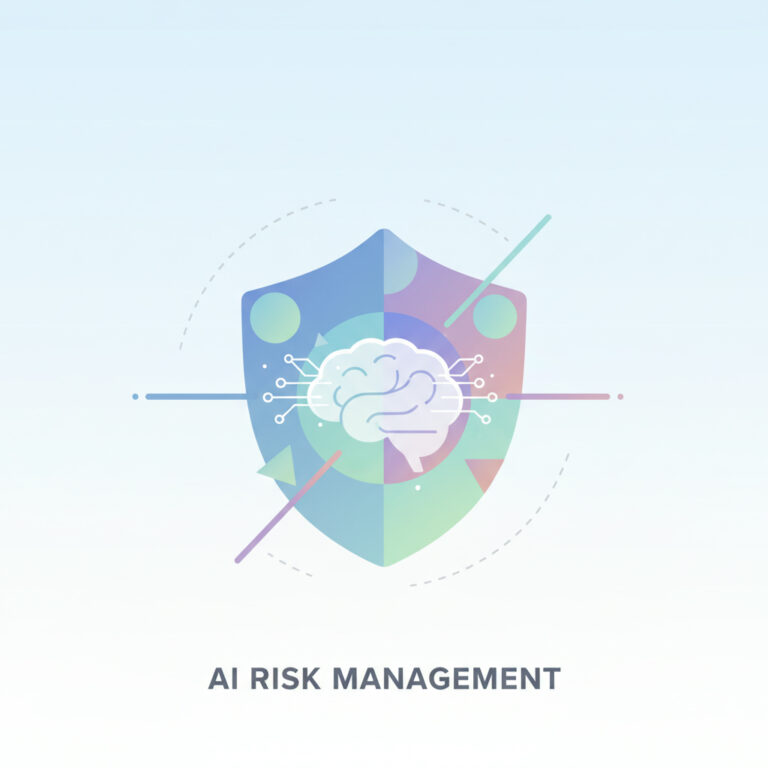
In today’s rapidly evolving business landscape, implementing AI in risk management is crucial for organizations aiming to mitigate uncertainty effectively. By leveraging artificial intelligence, businesses can enhance their risk response strategies, ensuring they align with organizational goals and regulatory compliance. This article delves into the significance of AI in risk management, exploring the steps organizations can take to harness its potential and implement effective AI workflows.
Understanding AI in Risk Management
AI is transforming risk management by automating processes, improving decision-making, and providing actionable insights. Organizations can analyze vast amounts of data quickly, identifying potential risks before they materialize. This proactive approach is essential for maintaining a competitive edge in today’s market.
The Importance of a Structured Risk Response
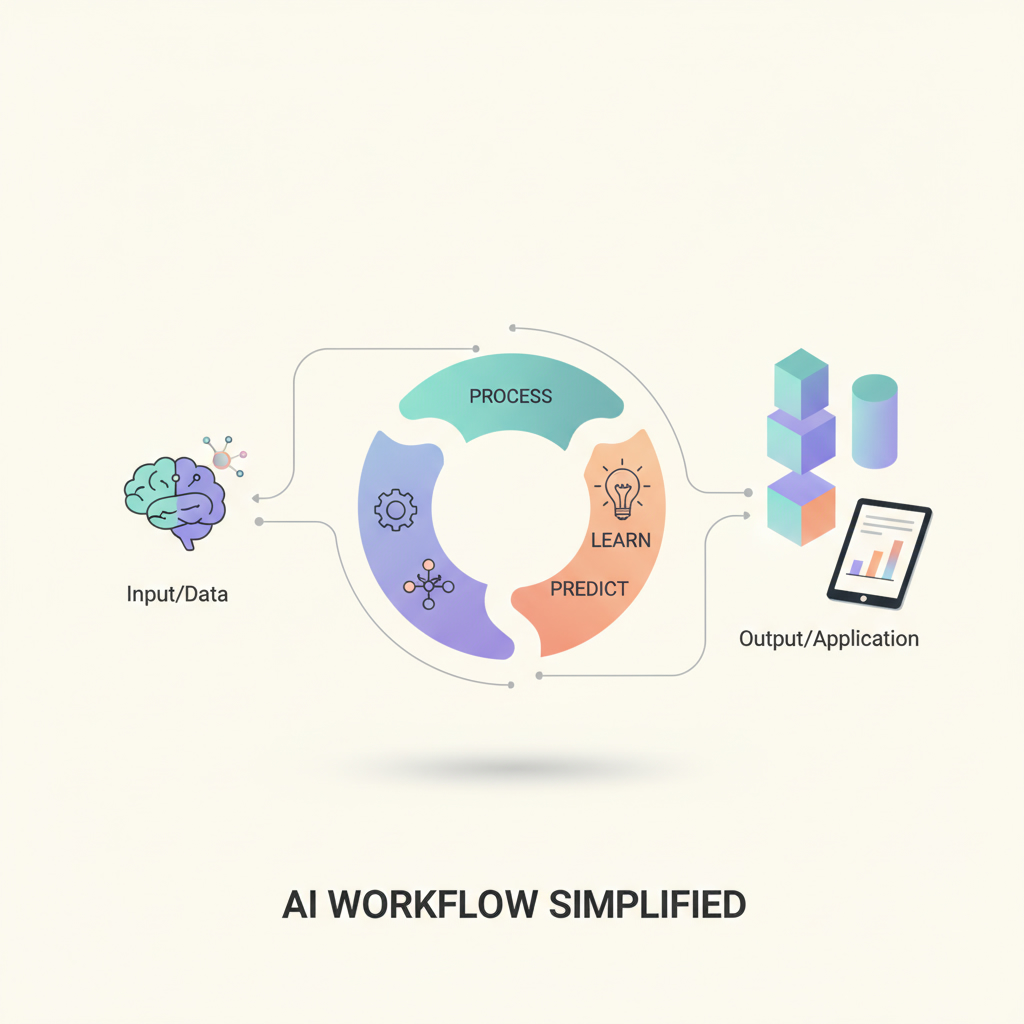
Implementing AI in risk management allows businesses to establish a structured risk response process. This means that once risks are identified and assessed, organizations can choose appropriate strategies such as acceptance, avoidance, mitigation, or transfer. Here’s how each strategy works:
1. Avoidance: Eliminate risks by halting activities that lead to them.
2. Mitigation: Reduce risks to acceptable levels through controls or process improvements.
3. Transfer: Shift the impact of risks to third parties, often through insurance.
4. Acceptance: Acknowledge the risk and decide not to take action if the potential loss is manageable.
Building an Effective AI Risk Management Workflow
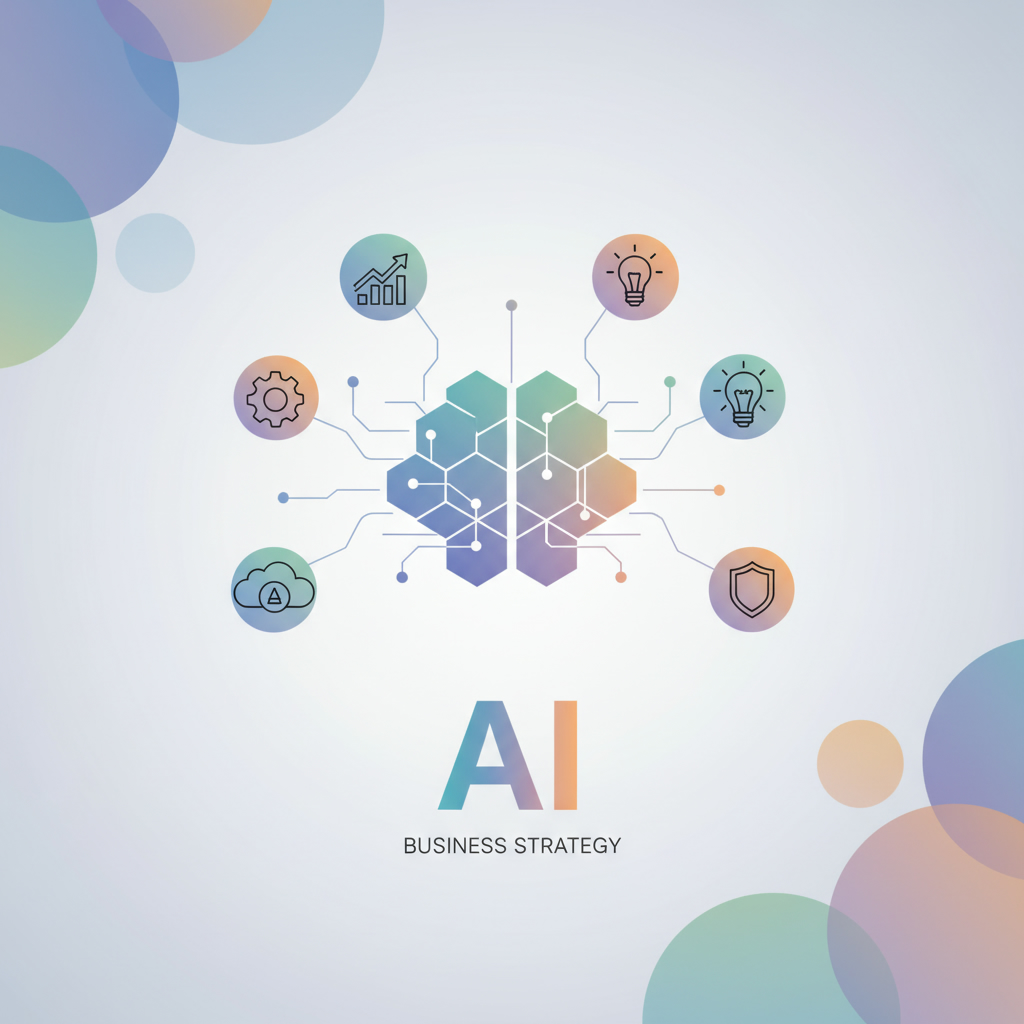
To implement AI successfully in risk management, organizations should develop a robust workflow that incorporates AI capabilities. Here are key steps to consider:
Step 1: Risk Identification
Utilize AI tools to capture risks automatically from various data sources. AI bots can analyze patterns and flag potential risks based on historical data and real-time inputs.
Step 2: Risk Assessment
Once risks are identified, AI algorithms can assess their likelihood and impact. This scoring system enables teams to prioritize risks according to their severity and alignment with the company’s risk appetite.
Step 3: Risk Response
After assessing risks, companies must decide on their response strategy. AI can assist by recommending the most effective response based on historical outcomes and current data.
Step 4: Monitoring and Reporting
Ongoing monitoring is critical. AI can streamline this process by continuously tracking key risk indicators (KRIs) and generating reports that keep stakeholders informed. This transparency is vital for compliance and strategic adjustments.
The Benefits of AI-Driven Risk Management
The implementation of AI in risk management offers numerous advantages:
– Enhanced Efficiency: Automating repetitive tasks saves time and reduces the risk of human error.
– Improved Decision-Making: Data-driven insights allow for more informed strategic decisions.
– Regulatory Compliance: AI provides documentation and audit trails necessary for compliance, reducing the burden on teams.
– Organizational Resilience: By addressing risks proactively, organizations become more resilient to disruptions.
Experts agree that integrating AI into risk management is not just about compliance; it’s about cultivating a culture of resilience and agility within the organization.
Conclusion: Embrace AI for Effective Risk Management
Incorporating AI into your risk management strategy is no longer optional—it’s a necessity for organizations looking to thrive in uncertain environments. By understanding and implementing AI workflows, businesses can better navigate risks and ensure sustainable success. To learn more about how to hire an AI expert or implement artificial intelligence in your organization, visit Implement Artificial Intelligence.
Achieving effective risk management through AI is within reach. Start your journey today!