In the rapidly evolving world of artificial intelligence, understanding how to effectively implement AI is crucial for businesses aiming to stay competitive. If you were to start learning n8n today, the approach would differ significantly from previous methods. The key to mastering AI workflows lies in grasping fundamental workflows before diving into more complex AI agents. This article outlines a structured path for learning to implement AI successfully, focusing on automation fundamentals and practical applications that deliver results.
Understanding AI Workflows: The Foundation of Automation
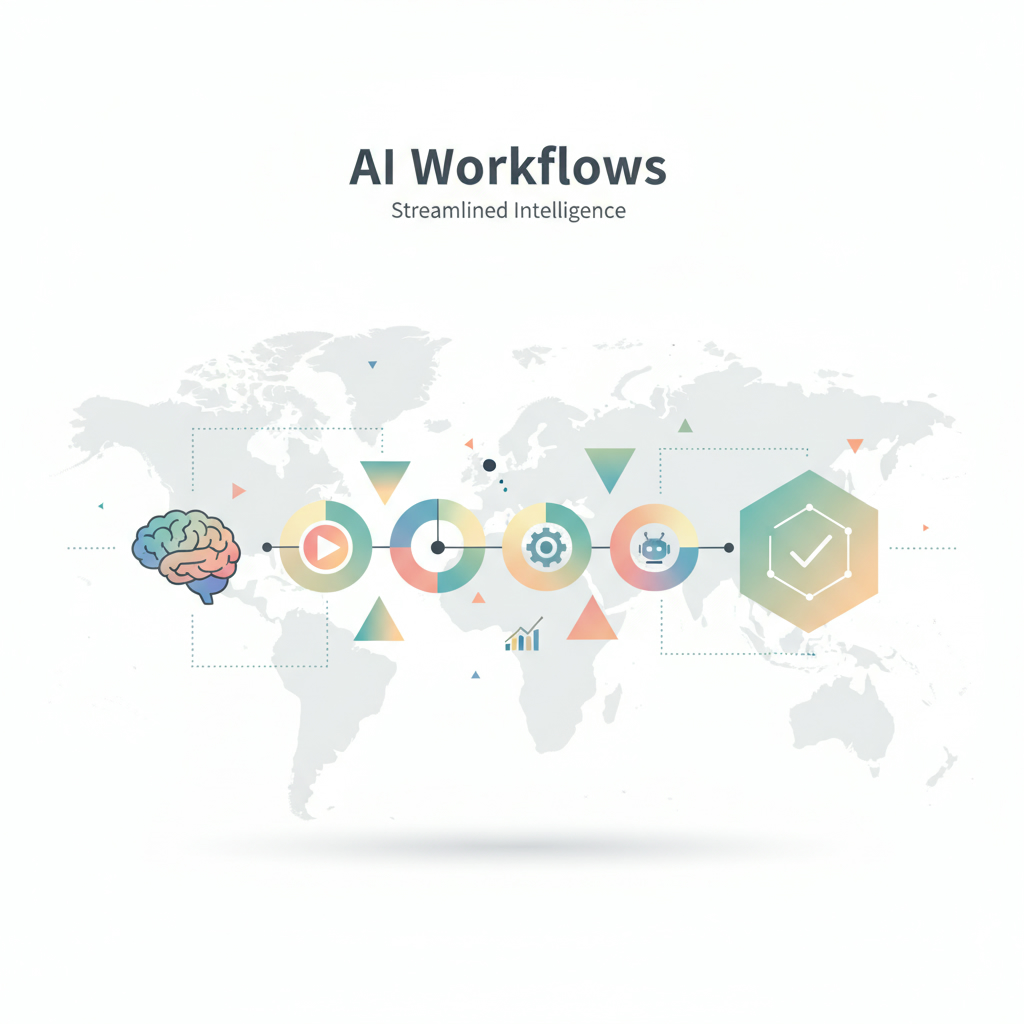
When starting with AI, the first step is to understand workflows. Workflows are rule-based, predictable sequences that form the backbone of effective automation. It’s a common mistake for beginners to rush into building AI agents without a solid grasp of these foundational workflows. Research indicates that a well-structured workflow can significantly enhance efficiency and ROI, with organizations seeing up to a 200% return in the first year through effective automation strategies.
The Importance of Automation Fundamentals
Before you even consider implementing AI, focus on mastering the fundamentals of automation. Here’s why:
– Predictability: Workflows provide a consistent framework that allows for predictable outcomes.
– Efficiency: Properly designed workflows streamline processes, saving time and reducing errors.
– ROI: Companies can achieve substantial cost savings and efficiency gains by implementing basic automation.
According to McKinsey, around 50% of work activities can be automated without AI. This statistic underscores the importance of mastering workflows before layering on AI capabilities.
Transitioning from Workflows to AI Agents
Once you have a handle on workflows, the next step is to understand how to incorporate AI into these processes. AI agents can enhance workflows by adding decision-making capabilities, but they require a solid foundation in data handling and process logic. Here’s how to approach this:
Learning Data Structures and APIs
Familiarize yourself with JSON, data types, and APIs. These components are essential for effective automation. Understanding how data flows and is manipulated within workflows is crucial for successful AI implementation.
– JSON: This is the language of data in automation. Grasping its structure will help you understand how to manage inputs and outputs effectively.
– APIs: Knowing how to make HTTP requests and connect different tools is vital. This skill allows you to extend the capabilities of n8n beyond its native integrations.
Embracing Context Engineering for AI
Context engineering is another critical element in implementing AI. Unlike traditional programming, AI models rely on context to produce relevant outputs. Learning how to craft prompts and provide the right context will significantly enhance the effectiveness of your AI applications. This is akin to preparing for an exam; the better your preparation, the better your results.
Building Effective AI Automations
Once you have the foundational knowledge, focus on creating automations that provide real value. Here’s how:
Identify Key Automation Opportunities
To determine which processes are worth automating, evaluate them based on these criteria:
– Repetitive tasks: Identify processes that require frequent manual intervention.
– Time-consuming: Focus on workflows that take up significant time.
– Error-prone: Target areas where mistakes commonly occur.
– Scalability: Look for processes that can grow with your business needs.
Creating systems that run autonomously can lead to exponential growth and efficiency improvements. For example, automations triggered by real-time events, such as incoming emails or form submissions, can significantly enhance responsiveness and productivity.
The Role of Testing and Refinement
Your initial implementation of an automation will likely face challenges. Embrace this as part of the learning process. Each failure provides valuable insights that can be used to refine and enhance your workflows. Implementing a tracking system helps identify patterns and areas for improvement, ensuring long-term stability in your automations.
Scaling Your Automation Efforts with AI
Once you have established a solid foundation, consider how to scale your efforts. This involves:
– Communicating ROI: Clients want to understand the tangible benefits of your work. Focus on how your automations save time and money.
– Continuous improvement: Regularly monitor and update your systems to adapt to new technologies and requirements.
– Building trust: By demonstrating measurable outcomes from your automations, you can solidify your role as a trusted AI expert.
Avoiding Common Pitfalls
Many newcomers fall into the trap of ‘tutorial hell,’ where they consume information without applying it. It’s essential to actively engage with the tools, experiment, and build your own workflows. The more you practice, the more adept you will become at implementing AI effectively.
Conclusion: Embrace AI for Future Success
By focusing on the fundamentals of workflows and understanding how to implement AI effectively, you position yourself as an expert in the field of artificial intelligence. Whether you’re looking to hire an AI agency or build your own AI solutions, mastering these principles will lead to successful AI implementations that drive results. If you’re ready to take your first step, explore our services at Implement Artificial Intelligence to learn how we can help you succeed in your AI journey.