In today’s digital landscape, implementing AI in customer service management is not just a trend; it’s a necessity. Artificial intelligence can revolutionize how businesses interact with their customers, streamlining processes and improving overall service quality. By understanding the foundational elements of customer service management, organizations can leverage AI to enhance their workflows and deliver unparalleled customer experiences. This guide will explore the key components of customer service management systems, the role of AI, and best practices for successful implementation.
Understanding Customer Service Management and AI
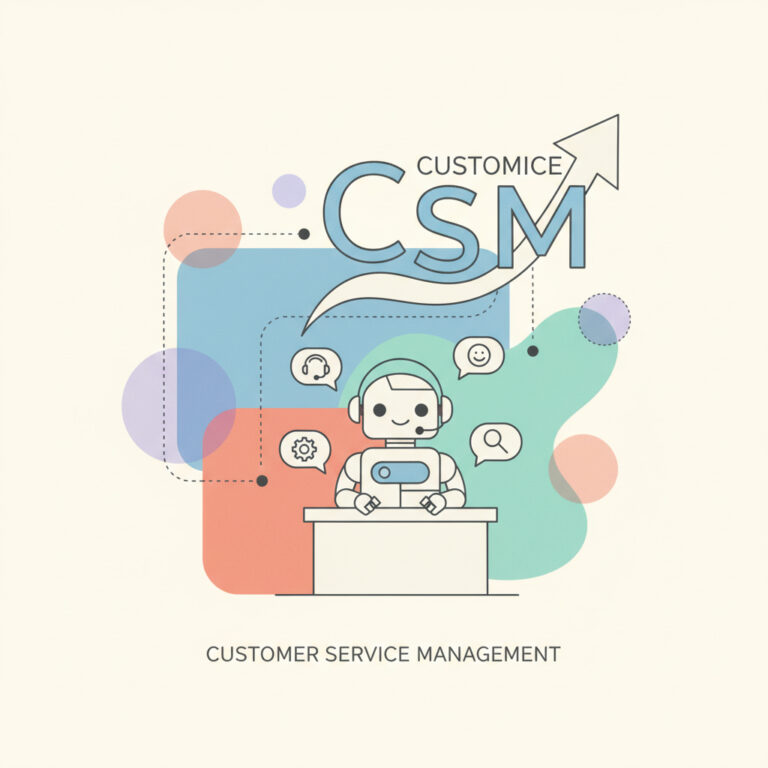
Customer service management (CSM) involves the processes and systems that help organizations manage customer interactions and service requests efficiently. AI technologies add significant value to CSM by automating routine tasks, providing insights through data analytics, and improving communication channels. Research indicates that businesses that utilize AI in their customer service processes see a significant increase in customer satisfaction and operational efficiency.
The Benefits of AI in Customer Service Management
Integrating AI into customer service management offers numerous advantages:
– Enhanced Efficiency: Automating routine inquiries and tasks allows customer service agents to focus on more complex issues.
– 24/7 Support: AI chatbots can handle customer queries around the clock, ensuring that assistance is always available.
– Personalization: AI can analyze customer data to provide tailored recommendations and support, enhancing the overall customer experience.
Key Components of a Successful Customer Service Management Implementation
To effectively implement AI in CSM, organizations should focus on several foundational aspects:
1. Data Foundation: Establish a robust data framework that includes customer profiles, service models, and product information. This foundation supports AI functionalities and enables personalized interactions.
2. Case Management: Develop specific case types and service definitions to streamline how customer requests are handled. AI can assist in routing these cases to the appropriate agents based on historical data and patterns.
3. Agent Workspace: Create a unified workspace for agents that integrates AI tools to provide real-time suggestions and insights, enhancing their ability to resolve issues efficiently.

Best Practices for Implementing AI in Customer Service Management
To ensure a successful implementation of artificial intelligence, consider the following best practices:
– Leverage Out-of-the-Box Solutions: Whenever possible, utilize existing tools and configurations instead of creating custom solutions. This reduces maintenance and upgrade complexities.
– Phased Implementation: Start with a basic setup and gradually introduce more advanced features. This allows teams to adapt and provides opportunities for feedback and improvement.
– Continuous Monitoring: Use AI-driven analytics to track performance and identify areas for enhancement. Understanding key performance indicators (KPIs) is critical for ongoing success.
Resources for Getting Started with AI in Customer Service
Several resources can help organizations navigate the implementation of AI in customer service management:
– ServiceNow Community: Access a wealth of knowledge, including forums and guides tailored to customer service management best practices. Engaging with community members can provide valuable insights and support.
– Now Learning: This platform offers courses and training on AI applications within customer service, enabling teams to upskill and become proficient in using these technologies.
– Expert Partners: Consider collaborating with certified partners who specialize in AI implementations. They can provide tailored solutions to meet specific business needs.
As businesses increasingly look to enhance customer interactions, hiring an AI expert or partnering with an AI agency can facilitate smoother integrations and maximize the benefits of AI services. Whether you’re just beginning your journey or looking to optimize existing processes, the right resources and strategies can help you succeed.
Conclusion
Implementing AI in customer service management is a strategic move that can lead to improved efficiency, enhanced customer satisfaction, and a more streamlined workflow. By focusing on foundational elements, leveraging best practices, and utilizing available resources, organizations can effectively navigate their AI journey. To explore how to implement AI in your customer service management, consider reaching out to an AI agency or expert to guide you through the process. Start transforming your customer service experience today by visiting Implement Artificial Intelligence.