In today’s rapidly evolving landscape, organizations must prioritize business metrics over AI solutions if they want to optimize their operations effectively. Artificial intelligence has transformed the way companies approach problem-solving, but understanding how to integrate AI into your business strategy is crucial for success. By focusing on measurable outcomes rather than just technology, organizations can harness the power of AI to drive growth and innovation.
Understanding the Importance of Business Metrics in AI
When considering how to implement AI, one of the most critical steps is to establish a clear understanding of your organization’s business metrics. Studies indicate that companies that align their AI initiatives with their core business goals are more likely to see tangible results. Rather than starting with the technology itself, it’s vital to ask, “What do we want to achieve in the next three to five years?” This forward-thinking approach lays the foundation for successful AI integration.

Focus on Measurement to Drive AI Success
A significant theme in the successful application of AI is the need for robust measurement strategies. It’s essential to create a baseline understanding of your current performance and identify key drivers that will influence your AI initiatives. Here are some vital aspects to consider:
– Baseline Measurements: Before diving into AI applications, organizations should invest time in understanding their current metrics. What are your revenue figures? Customer satisfaction scores? By establishing this baseline, you can better assess the impact of your AI solutions.
– Tactical vs. Strategic Metrics: While tactical metrics such as evaluation scores are important, organizations must not lose sight of broader strategic impacts. For instance, how does the AI implementation affect your revenue and customer satisfaction (CSAT)? These higher-level metrics will help gauge the effectiveness of your AI initiatives.
Governance in AI Implementation
As organizations incorporate AI workflows, governance becomes increasingly important. Experts agree that a solid governance framework is essential for managing the lifecycle of AI initiatives. This includes:
– Version Control: Ensuring that all AI tools and models are correctly versioned allows organizations to track changes and manage updates effectively.
– Metadata Management: Proper metadata practices help ensure that AI systems operate efficiently and that data remains accurate and accessible.
The Role of Culture in AI Adoption
Successful AI implementation is not solely about the technology; it’s also about the culture within an organization. Change management and cultural shifts are necessary to align teams with AI objectives. Engaging employees and stakeholders in this process can significantly improve the adoption of AI technologies. Consider the following strategies:
– Co-Innovation and Collaboration: Foster a culture of collaboration where teams can co-create solutions using AI. By establishing partnerships, organizations can leverage diverse perspectives to enhance their AI capabilities.
– Customer Experience Focus: As AI technologies evolve, the emphasis on customer experience should remain at the forefront. Employees across all levels should understand how their work contributes to improved customer satisfaction.
Preparing for Future AI Trends
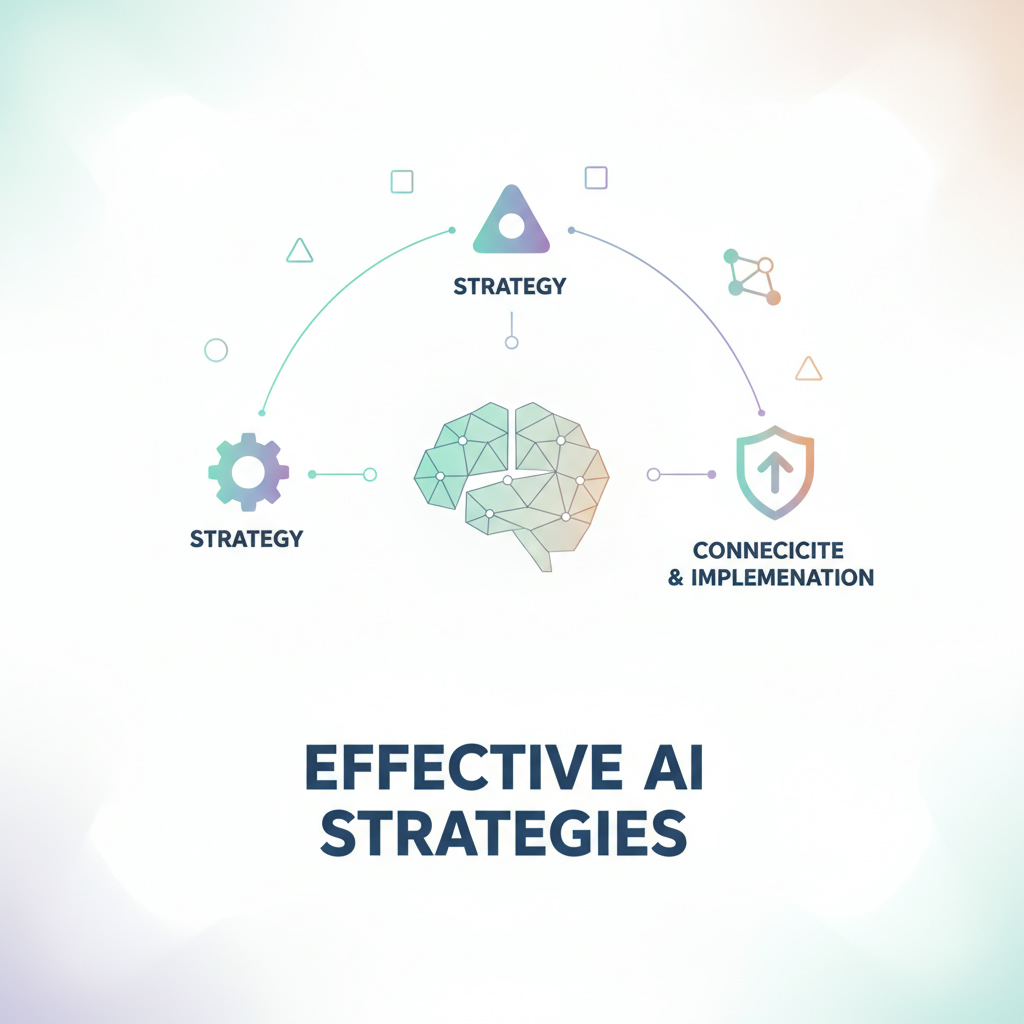
As AI technologies continue to advance, organizations must prepare for the future of artificial intelligence. This means moving beyond traditional frameworks and thinking outside the box. Here are some considerations:
– Flexible Solutions: Organizations should be willing to adapt their AI strategies, moving away from fixed solutions that may become obsolete. Embrace the concept of an “AI factory” where continuous improvement and innovation are prioritized.
– Invest in Your Team: As the landscape shifts, it’s vital to invest in team members who are not only keeping pace with changes in AI but are also passionate about their work. Building a knowledgeable and enthusiastic team is key to leveraging AI effectively.
Conclusion
In summary, starting with business metrics, rather than AI technology, is crucial for effective AI implementation. By focusing on measurable outcomes, establishing robust governance practices, fostering a collaborative culture, and preparing for future trends, organizations can maximize the impact of their AI initiatives. To explore how your organization can effectively integrate AI solutions tailored to your business needs, consider consulting an AI agency. For more information, visit Implement Artificial Intelligence.
For those looking to take the next step, contact us today to learn how we can help you harness the power of AI to drive your business forward.