Artificial intelligence (AI) is transforming how businesses operate, enabling the creation of sophisticated AI agents that can enhance workflows and decision-making processes. In this guide, we will explore how to build effective AI agents, implement AI strategies, and ensure reliability in artificial intelligence applications. By understanding the nuances of AI agents and context management, organizations can leverage AI to drive productivity and innovation.
Understanding AI Agents and Their Importance in Workflows
AI agents are powerful tools that act as interfaces between users and complex data systems. They can perform various tasks, from automating simple processes to handling intricate decision-making scenarios. As businesses look to implement AI solutions, understanding the role of AI agents becomes crucial. Studies indicate that organizations that effectively integrate AI into their operations see significant productivity gains and improved customer satisfaction.
The Evolution of AI Agents
The journey of AI agents began with basic automation tools, evolving into advanced systems capable of natural language processing and machine learning. Current AI agents, often powered by large language models (LLMs), can understand and generate human-like text, making them invaluable in customer service, data analysis, and content creation.
Key Features of AI Agents
– Natural Language Processing: Enables communication with users in human language.
– Learning Capabilities: AI agents can learn from interactions to improve their responses over time.
– Integration: They can seamlessly connect with various applications and databases to perform tasks more efficiently.
Implementing AI: Steps to Build Effective AI Agents
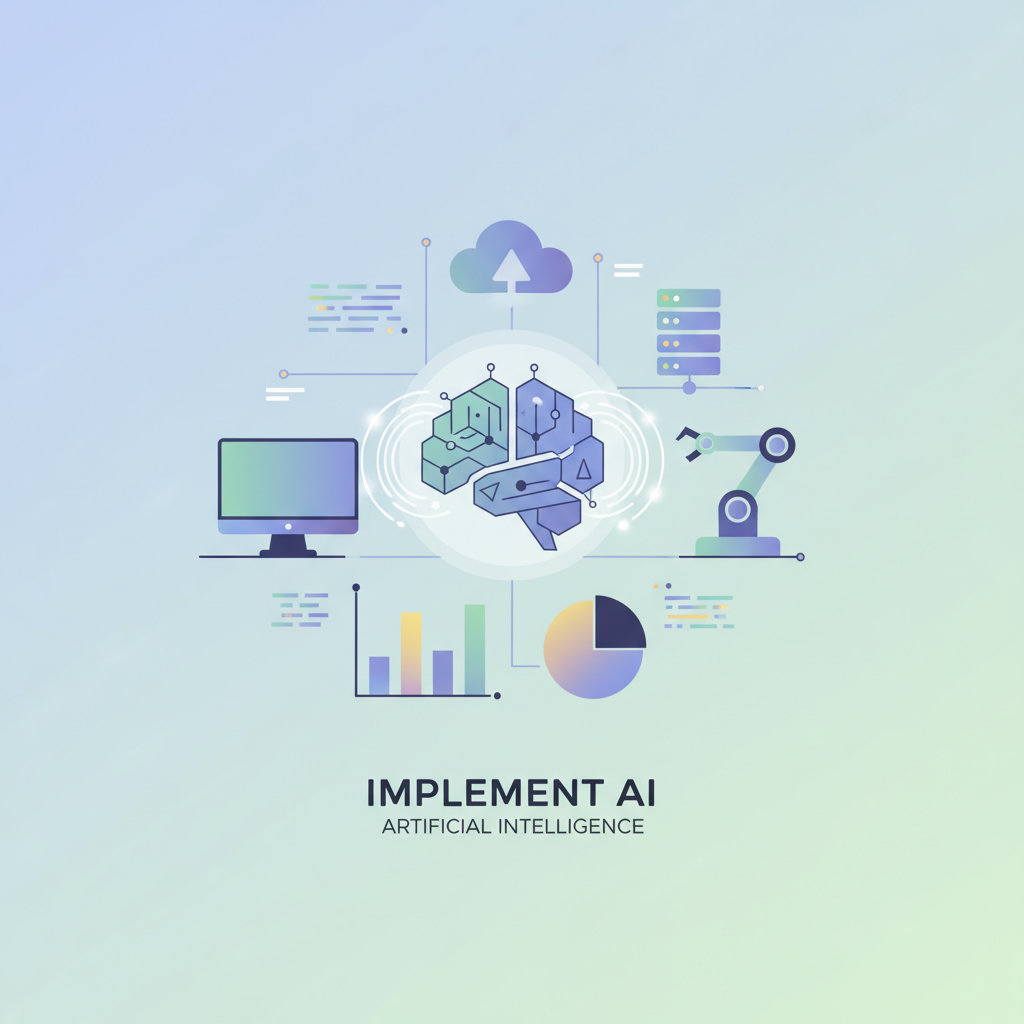
To successfully implement artificial intelligence, businesses must follow a structured approach:
1. Define Objectives: Clearly outline what you want your AI agent to achieve, such as improving customer engagement or automating repetitive tasks.
2. Choose the Right Tools: Select AI frameworks and tools that align with your objectives. Popular options include OpenAI APIs and specialized agent frameworks like LangChain and LangGraph.
3. Start Small: Experiment with simple AI agents before scaling up to more complex systems. This allows for troubleshooting and refining the approach.
4. Incorporate Feedback Loops: Use real user data to evaluate performance and make necessary adjustments.
The Role of Context in AI Workflows
One of the challenges in developing AI agents is managing context effectively. AI agents require context to deliver relevant and accurate responses. Studies show that providing too much context can overwhelm an AI system, leading to confusion and errors. It’s essential to find a balance between adequate context and simplicity. Implementing context management strategies—such as defining clear specifications and using semantic knowledge graphs—can significantly enhance the reliability of AI agents.
The Future of AI Agents: Reliability and Specialization
As businesses continue to explore the potentials of AI, the need for reliable AI agents becomes paramount. Reliable AI refers to the consistency and accuracy of the outputs generated by AI systems. According to experts, achieving reliable AI involves:
– Understanding Use Cases: Clearly define what success looks like for your AI implementations.
– Evaluating Outcomes: Regularly assess the performance of AI agents against your objectives.
– Investing in Infrastructure: Develop a robust data architecture that supports AI operations, including semantic layers that improve comprehension.
Conclusion: Taking the Next Step in AI Implementation
The journey to implement AI effectively starts with understanding the intricacies of AI agents and their role in enhancing workflows. By focusing on context management, defining clear objectives, and continuously evaluating outcomes, organizations can harness the full potential of artificial intelligence. If you’re ready to take your AI initiatives to the next level, consider partnering with an experienced AI agency to guide you through the implementation process.
For more insights on how to hire an AI expert or implement effective AI solutions, visit Implement Artificial Intelligence.