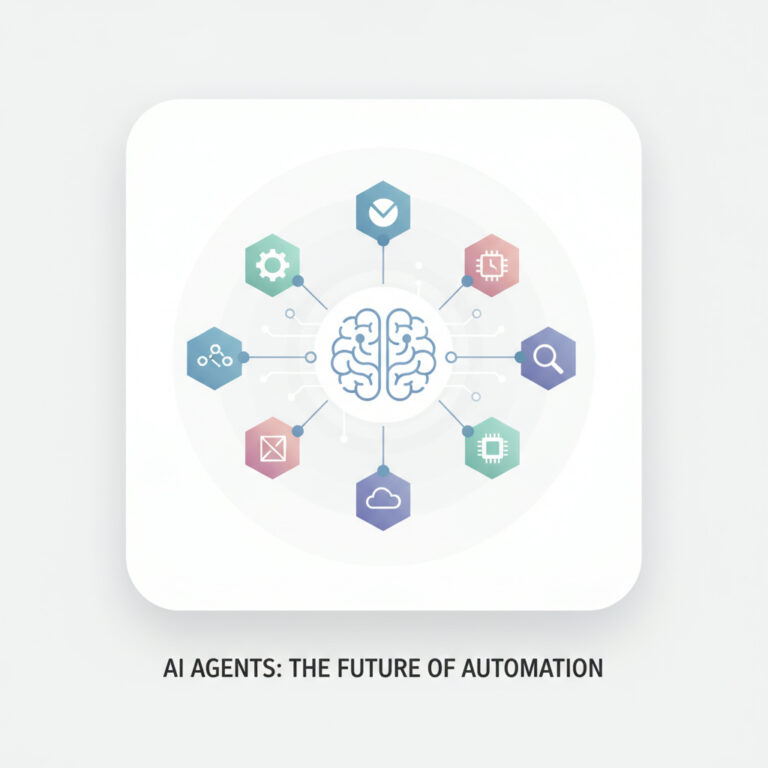

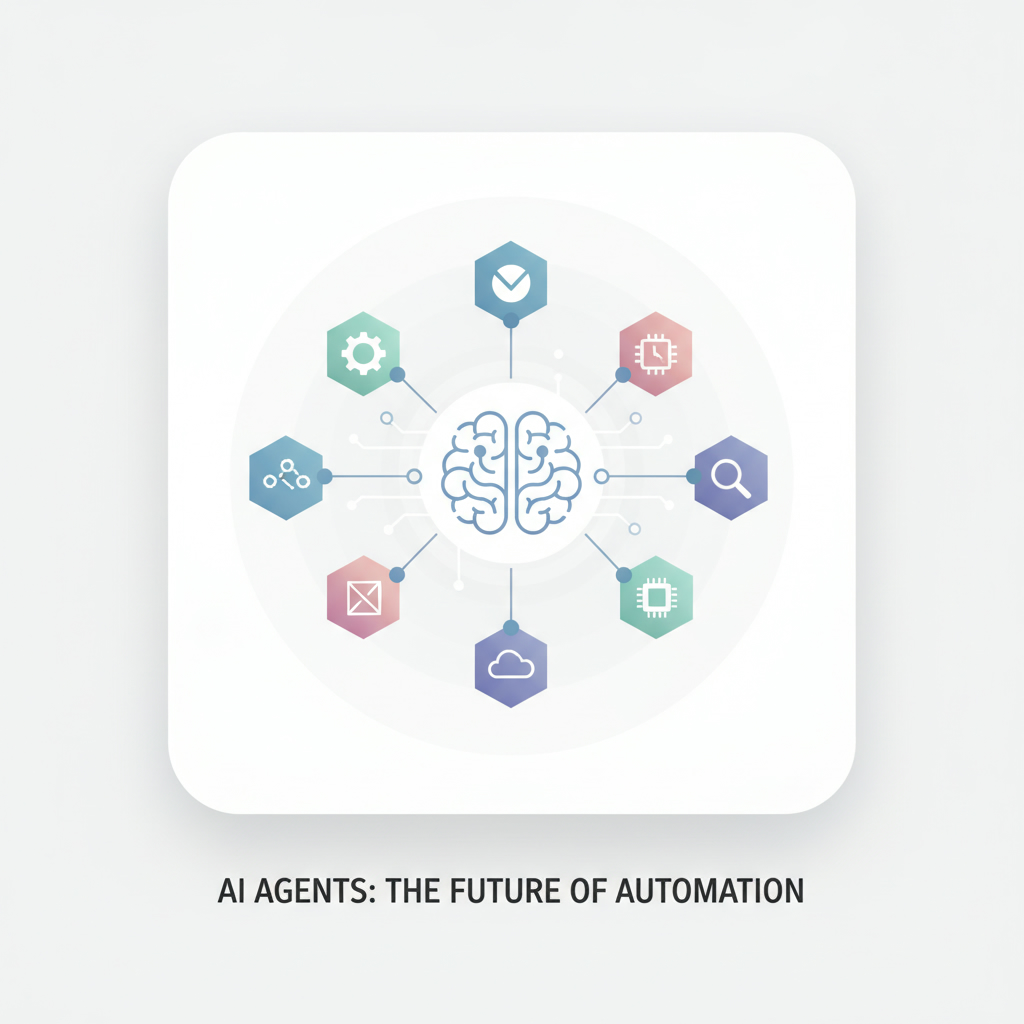
Building effective AI agents is essential to leverage artificial intelligence in today’s digital landscape. With the right implementation, businesses can automate customer interactions, streamline workflows, and enhance user experiences. This post will guide you through the process of creating AI agents that not only function efficiently but also integrate seamlessly with existing platforms like ServiceNow, Salesforce, and more. You’ll learn about the importance of crafting effective prompts, the role of retrieval augmented generation (RAG), and key strategies for ensuring your AI agents are production-ready.
Understanding AI Agents and Their Capabilities
AI agents are designed to handle diverse customer requests across various messaging platforms, including Facebook Messenger, Gmail, and OneDrive. Research indicates that many organizations are not fully exploiting the potential of AI technologies. By utilizing AI effectively, businesses can improve their service delivery and engage their customers in meaningful ways.
One significant advantage of AI agents is their ability to operate across multiple channels. Whether it’s through chatbots or voice assistants, these agents can be deployed to enhance customer experiences. The integration of conversational interfaces within platforms like ServiceNow allows these agents to utilize existing data and processes, making them adaptable and versatile across various applications.
Crafting Effective Prompts for AI Agents
To ensure that your AI agent performs optimally, it is crucial to focus on prompt engineering. Experts agree that well-structured prompts lead to more accurate and contextually relevant responses from AI. Here’s how to improve prompt quality:
Importance of Context
The concept of retrieval augmented generation (RAG) is pivotal in enhancing the performance of AI workflows. By providing AI models with the necessary context from your business operations, you significantly improve the accuracy of responses. This is particularly important when referencing knowledge articles or incident data within platforms like ServiceNow.
Simplicity is Key
When developing prompts, consider simplifying complex queries. A useful technique is to have someone with no technical background, such as a child, read the prompts. If they can understand them, the AI will likely process them more effectively. Break down complex ideas into simpler components to enhance clarity and ensure that your AI agent can respond adequately.
Specify Roles and Context
AI models can exhibit varied behaviors based on their defined roles. When programming your AI agent, ensure that roles are clearly defined to avoid confusion. For example, using different AI models such as OpenAI, Azure, or ServiceNow’s built-in options can yield different results based on the same prompt due to their unique training data and algorithms.
Tools for Enhancing AI Agent Functionality
The ServiceNow platform offers a comprehensive framework for building AI agents, integrating various tools to enhance their capabilities. Here are some tools that can significantly improve your AI agent’s functionality:
Knowledge Graphs
Knowledge graphs enable AI agents to interact with a collection of data tables conversationally. This feature allows for sophisticated querying and data retrieval, making your AI workflows more efficient.
Search Retrieval Capabilities
ServiceNow’s AI search functionalities allow agents to access not only internal knowledge articles but also external resources. This capability is critical for organizations looking to provide comprehensive support to users by leveraging various data sources.
Integration Hub
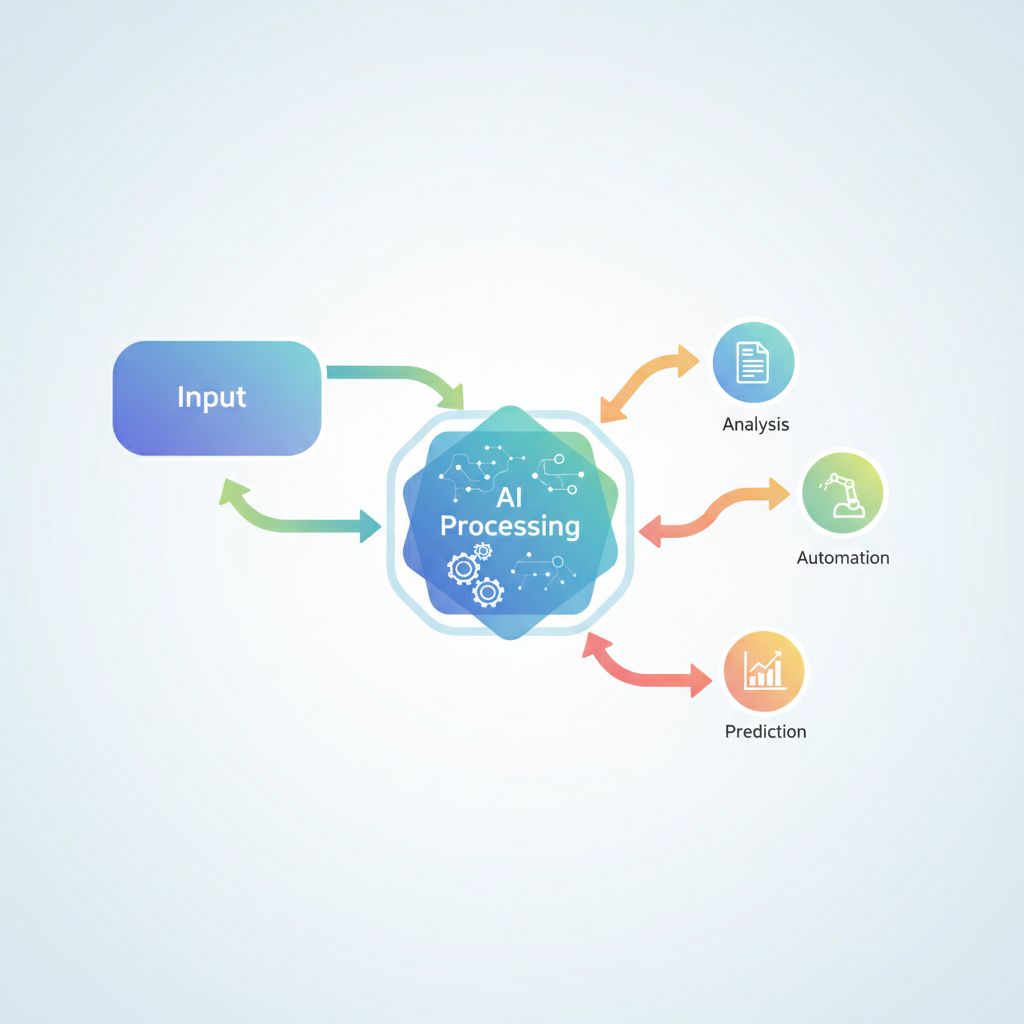
The Integration Hub facilitates seamless connections to various external systems, allowing your AI agent to retrieve and process data from multiple sources. Whether it’s pulling transcripts from Zoom or accessing third-party databases, this integration is essential for maximizing the potential of your AI agents.
Ensuring Security and Compliance in AI Deployments
As organizations implement AI, security considerations become paramount. Now Assist Guardian offers built-in guardrails that help mitigate risks associated with AI deployment. Here’s how to ensure your AI agents are secure:
Offensiveness and Prompt Injection Controls
ServiceNow provides options to log or block offensive content, allowing organizations to maintain control over the outputs generated by their AI agents. Additionally, prompt injection should be addressed through configurations that enhance data protection and privacy.
Data Privacy Solutions
For organizations handling sensitive information, data privacy tools can mask personal identifiable information (PII) before sending it to AI models, ensuring compliance and maintaining user trust.
Evaluating AI Agent Performance
To determine the effectiveness of your AI agents, regular evaluations are crucial. The Evals tool allows businesses to run simulations against historical data to assess their AI agent’s performance. This process helps identify areas for improvement and ensures agents are consistently delivering quality responses.
Continuous Improvement Practices
By analyzing the output of AI agents and comparing it against established benchmarks, organizations can refine their AI workflows. Implementing a continuous feedback loop will enhance the reliability of AI applications in customer-facing situations.
Conclusion: The Future of AI Agents in Business
Implementing AI agents is not just about technology; it’s about enhancing user experiences and operational efficiencies. With a focus on prompt engineering, robust integrations, security measures, and performance evaluations, businesses can harness the full potential of artificial intelligence. If you’re ready to take the next step in AI implementation, consider partnering with an AI agency to get expert support tailored to your needs. For more information on how to implement artificial intelligence effectively in your organization, visit Implement Artificial Intelligence.