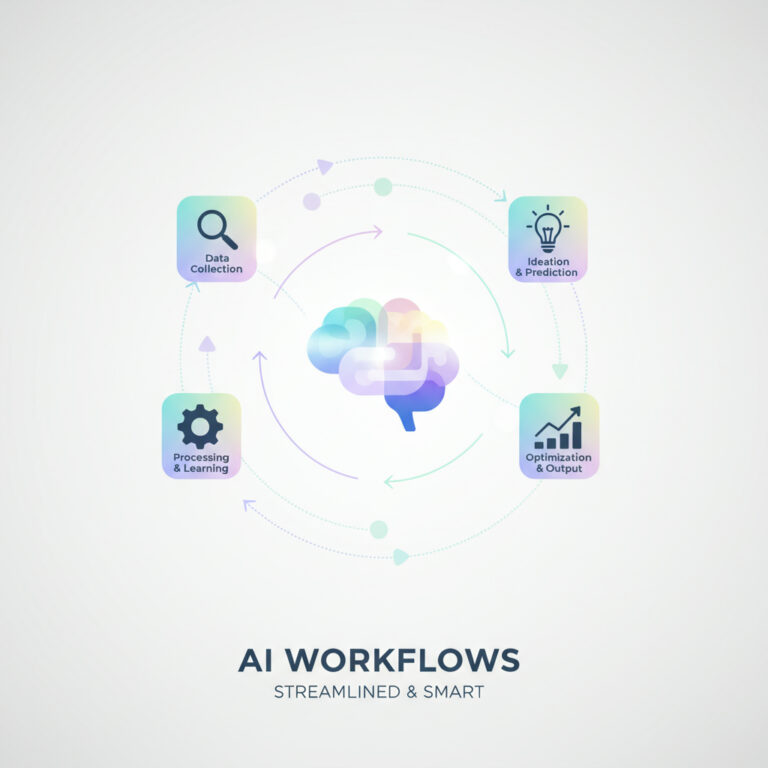

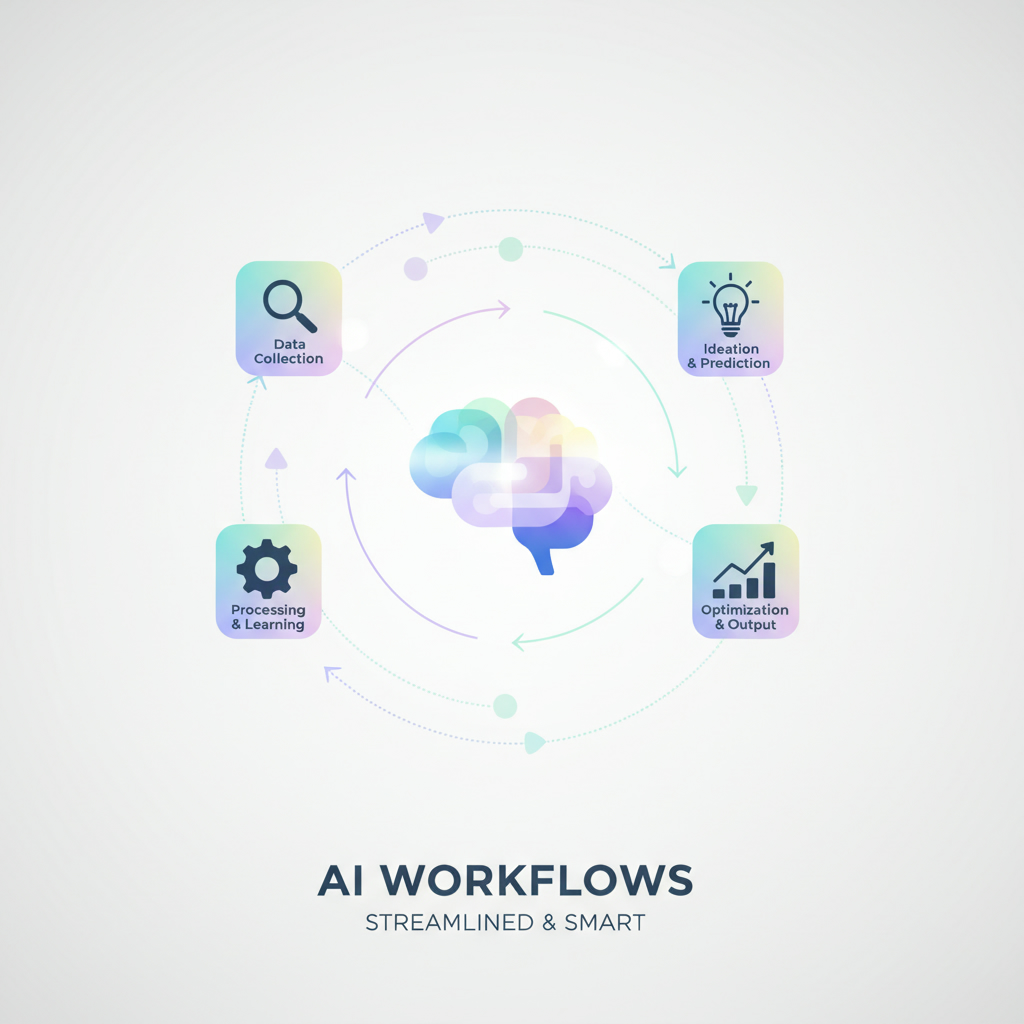
In the rapidly evolving landscape of AI and artificial intelligence, sharing efficient workflows can significantly enhance productivity. AI workflows streamline tasks such as lead scraping, data enrichment, and database management. Understanding how to share these workflows with colleagues or clients is crucial for maximizing their potential. This article explores three effective methods to share agentic workflows seamlessly, whether through cloud-based solutions or traditional GitHub repositories.
Understanding AI Workflows and Their Importance
AI workflows represent a game-changing approach to automating business processes. As businesses increasingly rely on AI services, leveraging these workflows can lead to enhanced productivity and reduced operational costs. By implementing AI, companies can assign repetitive tasks to bots, allowing human resources to focus on strategic initiatives. Research shows that organizations utilizing artificial intelligence for routine tasks can improve efficiency by up to 40%.
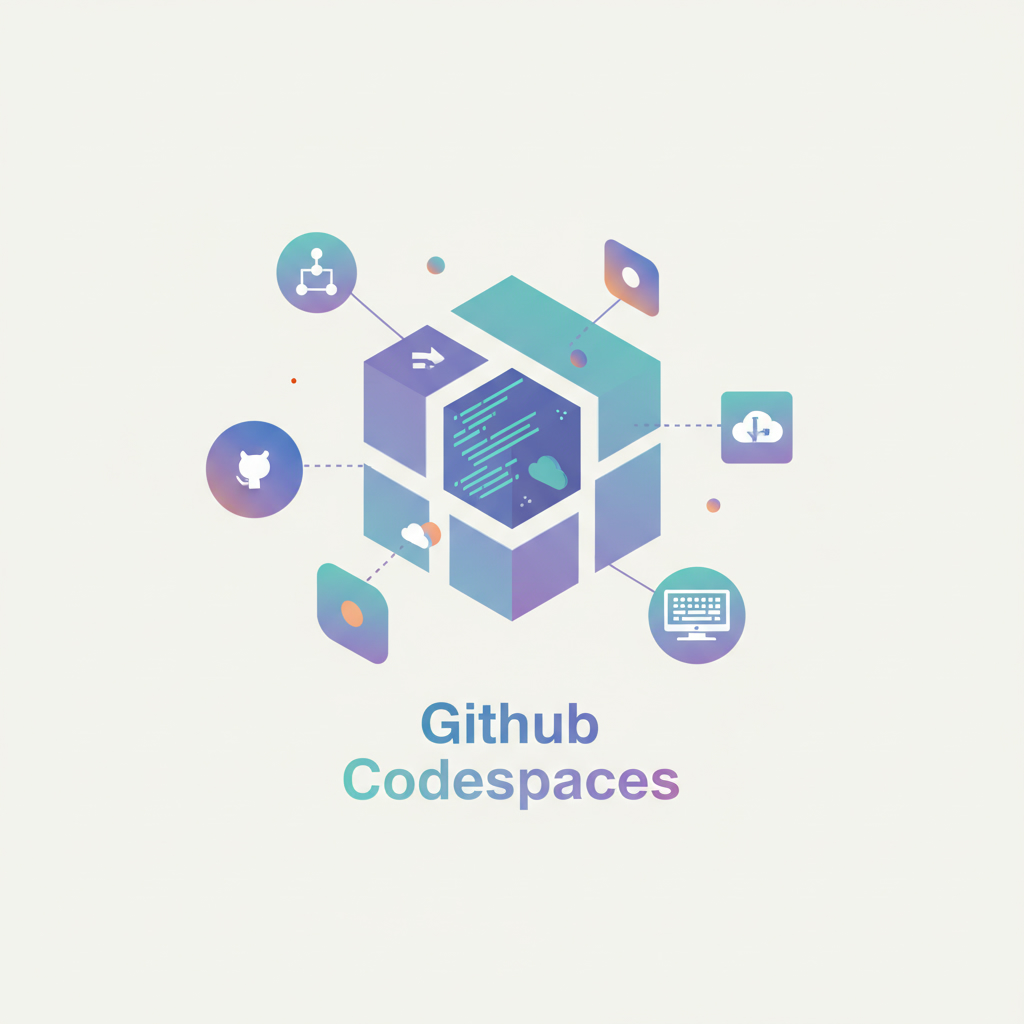
Method 1: Utilizing GitHub Codespaces for Easy Sharing
The first method involves using GitHub Codespaces to share your AI workflows efficiently. Once you have set up your workflows on your local machine, you can create a Codespace. Here’s how:
1. Set Up a Codespace: Create a GitHub account if you don’t have one. Then, initiate a Codespace for your project. This process takes only one click, making it user-friendly.
2. Invite Collaborators: After setting up your Codespace, invite your collaborators using their GitHub usernames. They will receive an email link to join.
3. Run the Workflow: Once inside the Codespace, your collaborators can execute the workflows with minimal setup.
This method is cost-effective, with server costs typically around 18 cents per hour, and the server automatically spins down when not in use, minimizing expenses.
Method 2: Duplicating Directives and Executions
For those who prefer a more hands-on approach, duplicating the directives and executions from your primary workspace into a new one is another effective method. This technique involves the following steps:
– Create a New Workspace: Set up a new folder for your project and create two subfolders: one for directives and another for executions.
– Copy Files: Move the relevant files from your main workspace into these new folders. Ensure that the scripts are organized and dependencies are clearly defined.
– Share Instructions: Provide a prompt to your collaborators, guiding them on how to set up their environment using the copied files.
By following these steps, your team can replicate your AI workflows without needing extensive knowledge of GitHub or coding.
Method 3: Traditional GitHub Repositories
The third method involves leveraging traditional GitHub repositories. This approach is slightly more complex due to the requirement of GitHub knowledge, but it remains a viable option for those familiar with version control. Here’s how to implement this method:
1. Create a Repository: Start by creating a private GitHub repository for your workflows.
2. Push Your Code: Upload your workflows, including any environment variables and dependencies, to the repository.
3. Clone the Repository: Instruct your collaborators to clone the repository into their own environment, allowing them access to all the scripts and workflows.
While this method might seem daunting, it is entirely free as it utilizes their infrastructure.
Why Hire an AI Expert?
As organizations look to implement AI into their operations, hiring an AI expert or AI agency can be invaluable. Experts in artificial intelligence understand how to create effective workflows, ensuring that businesses gain maximum ROI from their AI services. Collaborating with a knowledgeable AI agency can streamline the process of implementing AI workflows, enabling businesses to harness the full potential of AI technology.
Conclusion: Implementing AI Workflows Effectively
Sharing and implementing AI workflows doesn’t have to be complicated. By leveraging tools like GitHub Codespaces, duplicating directives, or using traditional repositories, you can enhance collaboration and efficiency within your team. As the demand for AI continues to grow, understanding how to utilize these workflows effectively is essential. If you’re looking to implement artificial intelligence solutions tailored to your business needs, consider reaching out to an AI agency for expert guidance. For more insights on how to implement AI, visit Implement Artificial Intelligence.