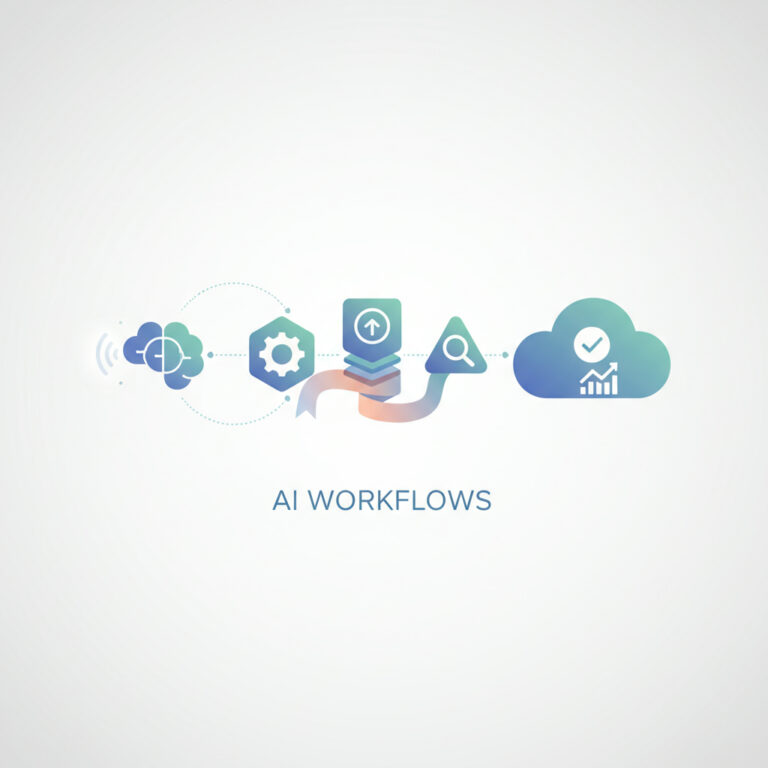
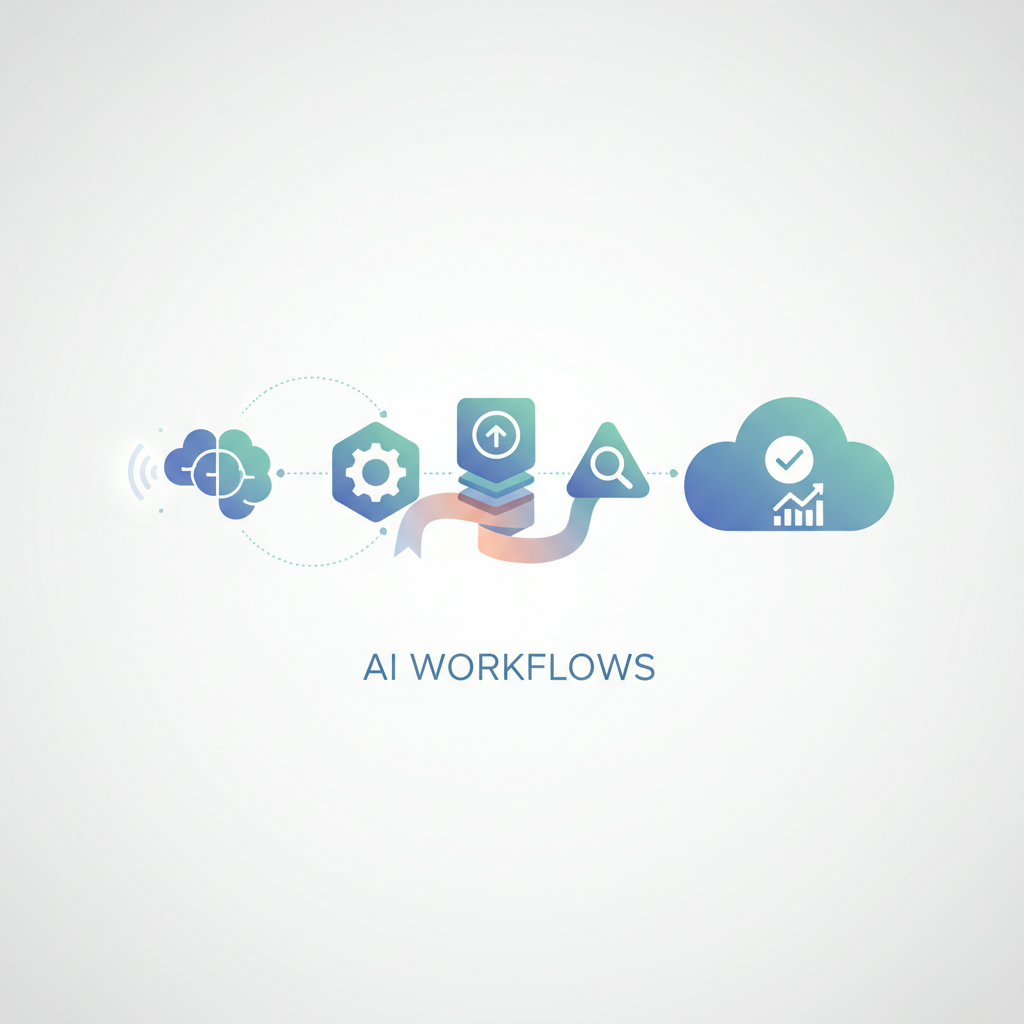
In today’s rapidly evolving digital environment, AI workflows are transforming how businesses interact with their customers. Implementing artificial intelligence not only enhances customer service but also provides deep insights into customer behavior and case management. By leveraging AI, companies can enjoy a comprehensive view of customer interactions, historical analysis, and actionable insights that drive efficiency and satisfaction. This article dives deep into the mechanics of AI workflows specifically designed for customer success management (CSM), showcasing how they can revolutionize the way organizations manage customer relationships.
Understanding AI Workflows in Customer Success Management
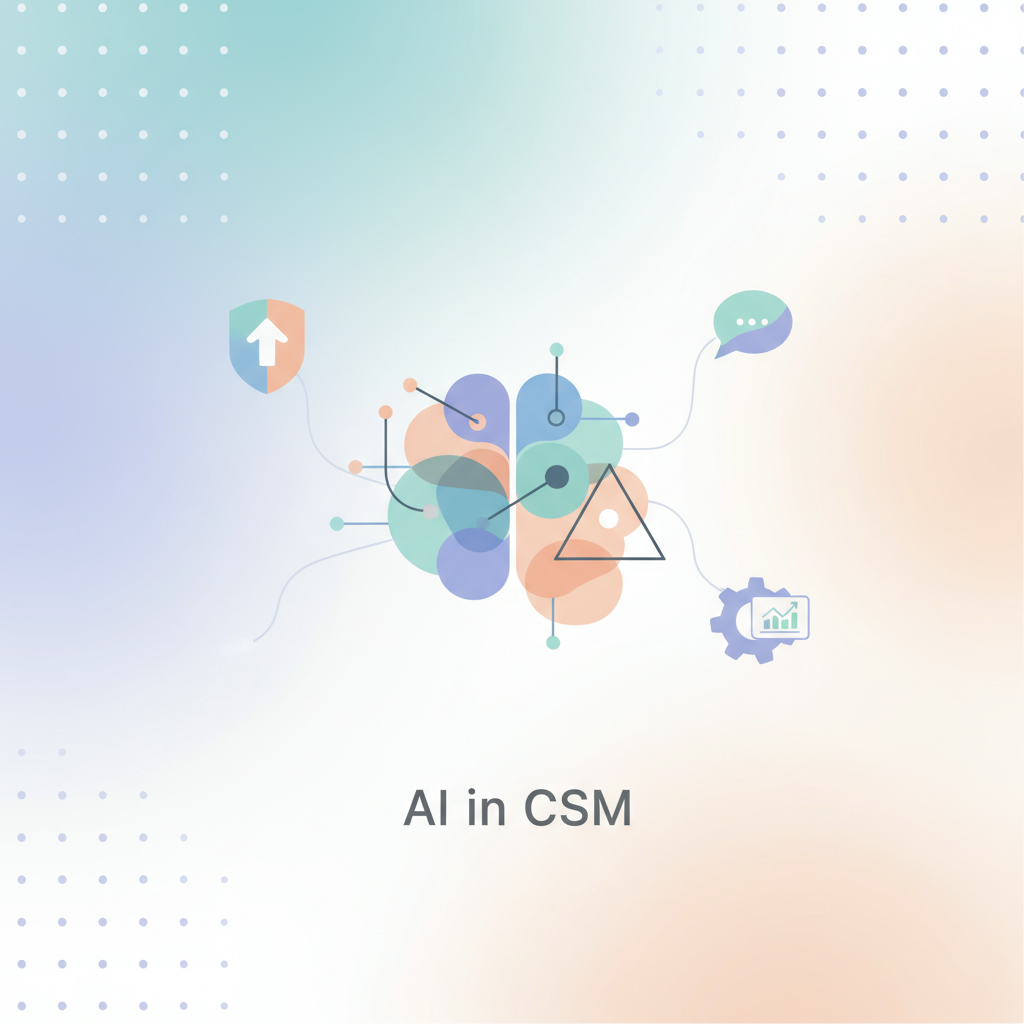
AI in customer success management (CSM) enables teams to analyze vast amounts of data effortlessly. By implementing AI, organizations can gain a 360-degree view of customer interactions, identifying patterns and sentiments that inform business decisions. Research shows that businesses leveraging AI significantly improve their response times and customer satisfaction ratings.
In CSM, AI workflows facilitate the following:
– Comprehensive case analysis: AI can analyze historical patterns and provide insights into past interactions, allowing teams to tailor their responses based on customer history.
– Task automation: With AI, repetitive tasks such as creating, assigning, and updating cases can be automated, freeing up valuable time for customer success teams.
– Enhanced communication: AI bots can handle initial customer inquiries, ensuring that human agents are only involved when necessary.
These capabilities make it easier to maintain a high level of service while reducing the workload on your team. For those looking to implement artificial intelligence solutions, hiring an AI agency that specializes in CSM can be invaluable.
Key Components of AI Workflows for Customer Insights
Implementing AI workflows in customer management involves several core components:
1. Customer Data Integration
Integrating customer data from multiple sources is critical. AI systems require access to various data points, including case histories, customer feedback, and interaction records. This ensures that the AI can provide relevant insights and recommendations based on comprehensive data.
2. Deep Research Capabilities
AI workflows often include tools designed for deep research. These tools analyze customer inquiries and feedback to validate information and extract meaningful insights. By harnessing deep research capabilities, businesses can identify trends and anticipate customer needs, which is crucial for a proactive CSM approach.
3. Actionable Insights and Task Management
AI workflows are not only about gathering data but also about acting on it. They provide actionable insights that can lead to task creation, escalation, or even follow-up actions. For instance, if a customer reports a recurring issue, the AI can automatically create a task for the relevant team to investigate further.
4. User Access and Security
When implementing AI solutions, security and data access must be prioritized. Businesses can define user access levels within the AI workflows to ensure that sensitive customer information is handled appropriately. This is particularly important in industries where data privacy is paramount.
Testing and Optimization of AI Workflows
Once an AI workflow is implemented, continuous testing is essential. Organizations can conduct manual tests to simulate customer interactions and evaluate how well the AI handles inquiries. By monitoring the system’s performance, businesses can refine prompts and improve the overall effectiveness of the AI.
Effective Testing Protocols
1. Simulate Real Scenarios: Create case scenarios that mimic actual customer interactions to evaluate AI responses.
2. Monitor Performance Metrics: Track response times, accuracy, and customer satisfaction ratings during tests.
3. Iterate Based on Feedback: Use the insights gained from testing to tweak and enhance the workflow.
Leveraging AI for Better Customer Relationships
Implementing artificial intelligence in your customer success strategies can significantly enhance customer relationships. By automating routine tasks, providing real-time insights, and predicting customer needs, businesses can deliver exceptional service that fosters loyalty.
Experts agree that the integration of AI in customer service is not just a trend; it’s a necessity. Organizations looking to stay competitive must invest in AI services that enhance customer interactions. This is where hiring an AI expert or partnering with an AI agency becomes crucial.
Call to Action: Take the Next Step
If you’re ready to elevate your customer success management processes through AI, consider exploring the services offered by professionals in the field. Visit Implement Artificial Intelligence to learn more about how you can implement AI effectively in your organization.
Final Thoughts on Implementing AI Workflows
In conclusion, the power of AI workflows in customer success management cannot be understated. By harnessing the capabilities of artificial intelligence, businesses can gain valuable insights, automate repetitive tasks, and ultimately enhance their customer service. As the demand for AI solutions continues to rise, investing in these technologies will position your organization for future success. Don’t hesitate to reach out to professionals who can guide you through the implementation process, ensuring you harness AI’s full potential.