
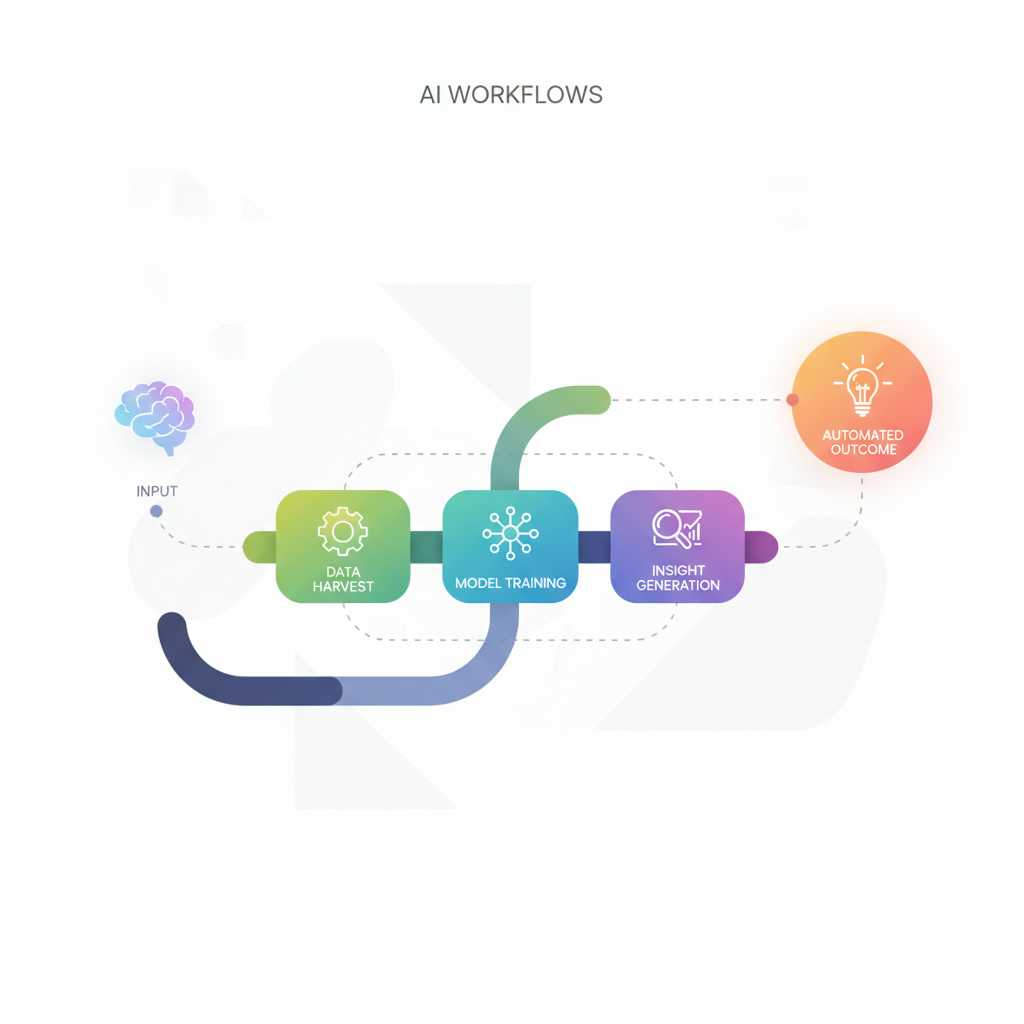
Artificial intelligence (AI) is revolutionizing the way businesses operate, particularly through the implementation of agentic AI workflows. These innovative workflows not only streamline processes but also enhance productivity by allowing users to focus on outcomes rather than intricate procedural details. By harnessing the power of AI, individuals and organizations can simplify automation tasks, making them more efficient and effective.
In this article, we will explore how to build your first agentic AI workflow, the benefits of adopting AI in your business, and how implementing AI can lead to substantial improvements in productivity and efficiency. If you’re looking to implement artificial intelligence into your operations or want to hire an AI expert, this guide will provide the insights you need.
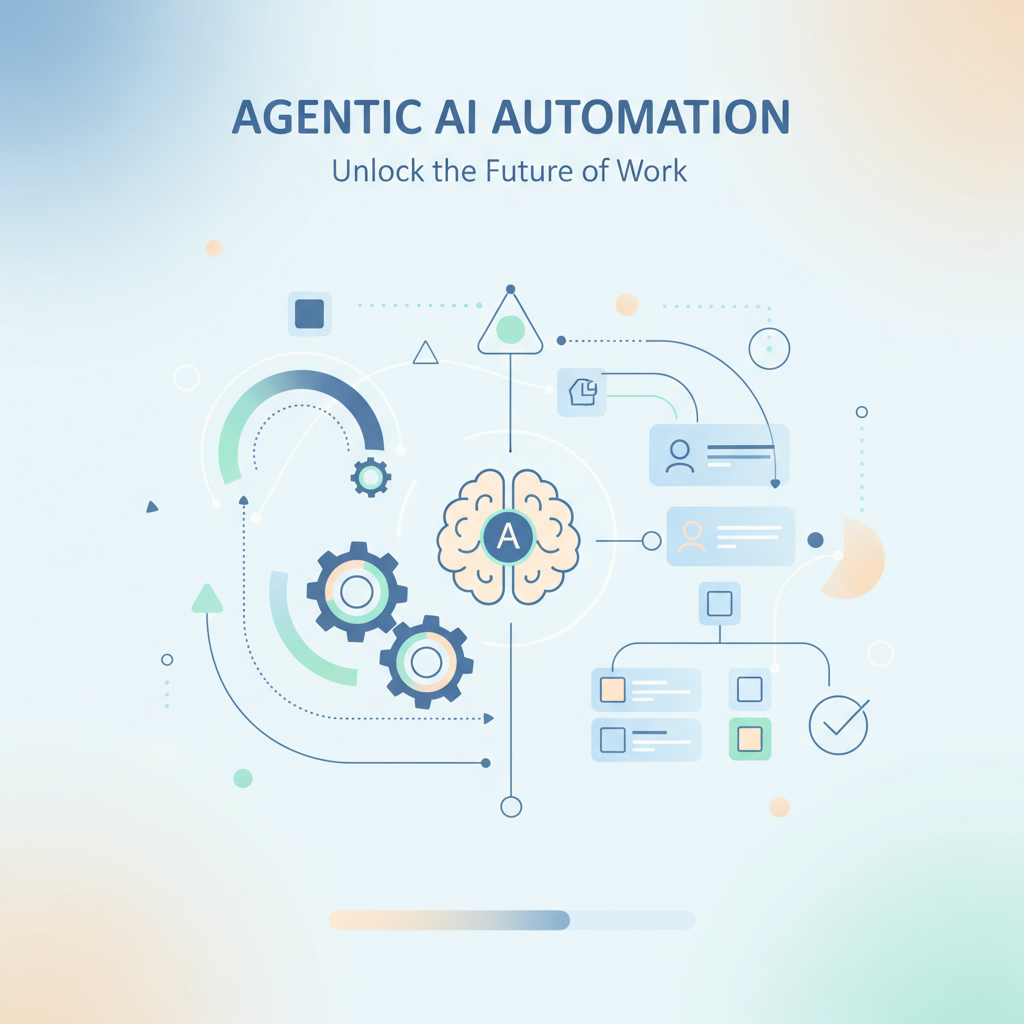
Understanding Agentic AI Workflows
Agentic AI workflows represent a significant shift from traditional automation methods. Instead of manually configuring every step, agentic workflows allow users to state what they want, and the AI figures out how to achieve those goals. This approach is akin to hiring an AI expert who takes care of the technical details while you focus on the desired outcomes.
The Evolution of Automation
Traditionally, automation involved using tools that required step-by-step configuration. Users had to connect various nodes, troubleshoot errors, and continuously manage the process. However, with the advent of agentic workflows, the process becomes much simpler and more intuitive. Here’s why:
– Reduced Complexity: Users can focus on describing their goals instead of detailing every action.
– Self-Improving Systems: The AI adapts and learns from previous tasks, improving efficiency over time.
– Dynamic Problem-Solving: The AI can address errors or challenges autonomously, minimizing downtime.
Key Components of Agentic Workflows
To effectively implement agentic AI workflows, it’s essential to understand the foundational components involved: workflows, agents, and tools.
Workflows
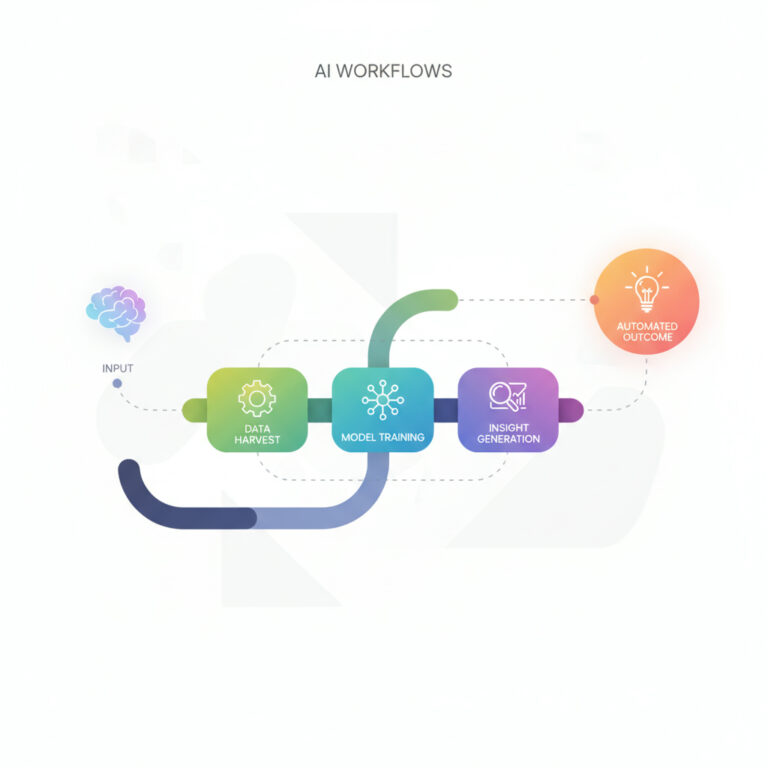
Workflows are the backbone of the agentic system. They consist of clear instructions that tell the AI what tasks to perform. For example, a workflow for competitor analysis might include steps for gathering data, analyzing findings, and generating reports. By using markdown for workflow instructions, users can easily communicate their needs to the AI.
Agents
The agent, often powered by advanced AI technology, acts as the coordinator. It interprets the workflows, decides which tools to use, and manages the sequencing of tasks. With this layer, users can delegate complex processes without needing to understand the underlying logic thoroughly.
Tools
Tools are the specific actions or scripts that perform the actual work. These can range from data scraping tools to PDF generators. The beauty of agentic workflows is that these tools are automatically generated and maintained by the AI, significantly reducing the technical burden on users.

Building Your First Agentic AI Workflow
Getting started with your first agentic AI workflow is easier than you might think. Here’s a step-by-step guide:
1. Choose a Framework: Begin by using a structured framework like WAT (Workflows, Agents, Tools) to organize your project effectively.
2. Define Your Goals: Clearly articulate the outcomes you desire from the workflow. For instance, creating a comprehensive market analysis report.
3. Use AI Tools: Leverage tools like Claude Code to communicate with the AI, initialize your project, and manage tasks.
4. Iterate and Improve: As the AI executes the workflow, provide feedback to refine its processes and outputs.
Benefits of Implementing AI in Your Business
Adopting AI workflows can lead to significant improvements in various aspects of your business:
– Time Savings: Automating repetitive tasks frees up valuable time for strategic planning and decision-making.
– Increased Accuracy: AI minimizes human error, resulting in more reliable outcomes.
– Cost Efficiency: Streamlined processes often lead to reduced operational costs.
– Enhanced Competitiveness: By leveraging AI, businesses can stay ahead of the curve and respond quickly to market changes.
If you’re considering how to implement AI into your operations or looking to hire an AI agency, understanding the nuances of agentic workflows is vital.
Conclusion
Incorporating AI workflows into your business strategy is not just a trend; it’s a necessary evolution in how we operate in a digital age. By embracing agentic AI, you can enhance efficiency, reduce complexities, and ultimately drive your business towards greater success. Whether you’re an individual seeking to improve your productivity or a business looking to hire AI experts, understanding and implementing these workflows will be a game-changer.
For more insights on how to implement artificial intelligence in your business, check out Implement Artificial Intelligence. If you have any specific questions or need personalized assistance, feel free to reach out through the contact page.