In today’s digital landscape, AI voice agents are revolutionizing how businesses interact with their customers. The integration of artificial intelligence into mobile applications enables organizations to provide immediate assistance and streamline support operations. This article explores how implementing AI can enhance mobile services, focusing on voice agents that utilize natural language processing to deliver efficient and effective support.
Understanding AI Voice Agents
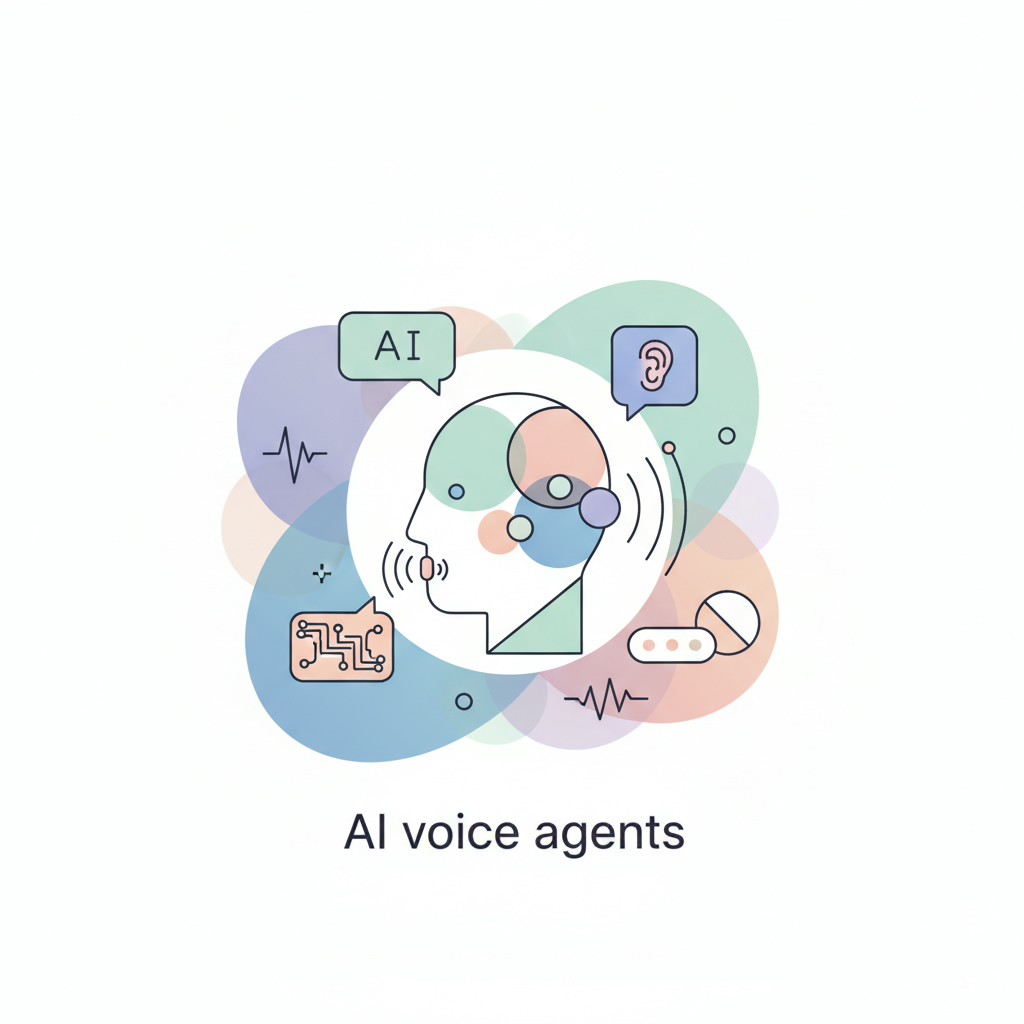
AI voice agents are sophisticated systems designed to interpret and respond to spoken language. According to industry experts, these conversational AI platforms offer a seamless experience across various channels, including phone, web, and mobile interfaces. By harnessing AI workflows, businesses can resolve customer issues more rapidly and accurately than traditional support methods.
Key Features of AI Voice Agents
AI voice agents are equipped with several advanced features that make them indispensable for modern customer service. Here are some of the core capabilities:
– Real-time Interaction: Thanks to advanced speech-to-text and text-to-speech technologies, voice agents can engage in dynamic conversations.
– Diverse Voice Library: Users can benefit from a variety of voice options, enhancing personalization and user experience.
– Caller Authentication: Configurable authentication processes ensure that users can securely access their accounts.
– Integration with Platforms: Leading AI services allow for seamless integration with existing customer relationship management (CRM) systems and other platforms.
– Performance Tracking: Insights and analytics help organizations optimize their voice agent performance over time.

Use Cases for AI Voice Agents in Mobile Applications
The implementation of AI voice agents in mobile applications is transforming various sectors. Here are some practical use cases:
1. Human Resources: Employees can use voice agents to create cases, check the status of requests, manage PTO, and update personal information.
2. IT Service Management (ITSM): Voice agents simplify processes like checking ticket statuses, creating new incidents, and troubleshooting application configurations.
How AI Voice Agents Work
When a user initiates a call, the voice agent processes the voice input and generates context-aware responses. This interaction is made possible by the following steps:
– The end user places a call using a mobile or telephony system.
– The AI voice agent interprets the voice input, leveraging data and AI algorithms for accurate responses.
– Live captions and transcripts are available during the call, ensuring clarity and enhancing user experience.

Configuring Your AI Voice Agent for Success
To leverage the full potential of AI voice agents, it’s crucial to configure them correctly. Here’s how to implement AI effectively:
1. Set Up a Voice Assistant: Use the assistant designer to configure the voice agent in the mobile application.
2. Create a New Function: In the core UI, establish a function with the type set to voice or chat launcher.
3. Associate Functions: Connect this function with an instance in the button table and enable it in the assistant designer.
By following these steps, organizations can ensure their AI voice agents are optimized for performance and user satisfaction.
Conclusion: Embrace AI for Enhanced Mobile Support Services
Implementing AI voice agents in mobile platforms is not just a trend; it’s a necessity for businesses aiming to enhance customer service and streamline operations. As companies continue to adopt artificial intelligence technologies, the demand for efficient, AI-driven solutions will only grow. If you’re considering how to integrate AI into your mobile services, consulting with an AI agency can provide the expertise needed to implement these technologies effectively. For more information on how to get started, visit Implement Artificial Intelligence.
With the right strategy and tools, your organization can harness the power of AI to create an unparalleled customer experience.