In today’s tech landscape, organizations are increasingly turning to artificial intelligence (AI) to enhance their operational capabilities. Implementing AI solutions is not just a trend; it’s a necessity for staying competitive. One critical area where AI can significantly improve efficiency is in Kubernetes visibility, particularly for organizations utilizing containerized applications. By adopting best practices in Kubernetes visibility, businesses can achieve better compliance, enhance security, and streamline operations. This article will explore key strategies to optimize your Kubernetes environments with AI-driven insights.
Understanding Kubernetes Visibility and Its Importance
Kubernetes visibility refers to the ability to monitor and manage the various components within a Kubernetes environment effectively. This encompasses everything from tracking resource utilization to ensuring compliance with security policies. Experts agree that having comprehensive visibility into containerized workloads is crucial for organizations aiming to leverage AI services effectively.
Why Kubernetes Visibility Matters
1. Regulatory Compliance: Different industries face numerous compliance mandates, making it essential to have a clear inventory of containerized applications. For instance, financial sectors often need to adhere to stringent regulations that require accurate resource tracking.
2. Security Management: With the rise of cyber threats, securing containerized applications is paramount. AI bots can help detect vulnerabilities and ensure that your Kubernetes environment operates within set security parameters.
3. Operational Efficiency: Continuous monitoring of Kubernetes environments allows for proactive management of resources, thereby preventing outages and ensuring smooth operation.
Best Practices for Implementing Kubernetes Visibility with AI
When implementing artificial intelligence in Kubernetes, there are several methods organizations can adopt to enhance visibility.
1. Agentless Discovery with Kubernetes Patterns
One effective method is agentless discovery, which leverages predefined patterns to identify Kubernetes components without deploying agents. This approach minimizes resource usage and complexity, making it suitable for organizations looking to streamline their Kubernetes operations.
2. Automated Kubernetes Discovery Scheduling
Automating the discovery process allows teams to integrate Kubernetes visibility into their existing cloud discovery schedules. By utilizing tools such as AWS EKS, Azure AKS, or Google GKE, organizations can achieve a more holistic view of their cloud environments, leading to better decision-making.
3. Kubernetes Visibility Agent (KVA)
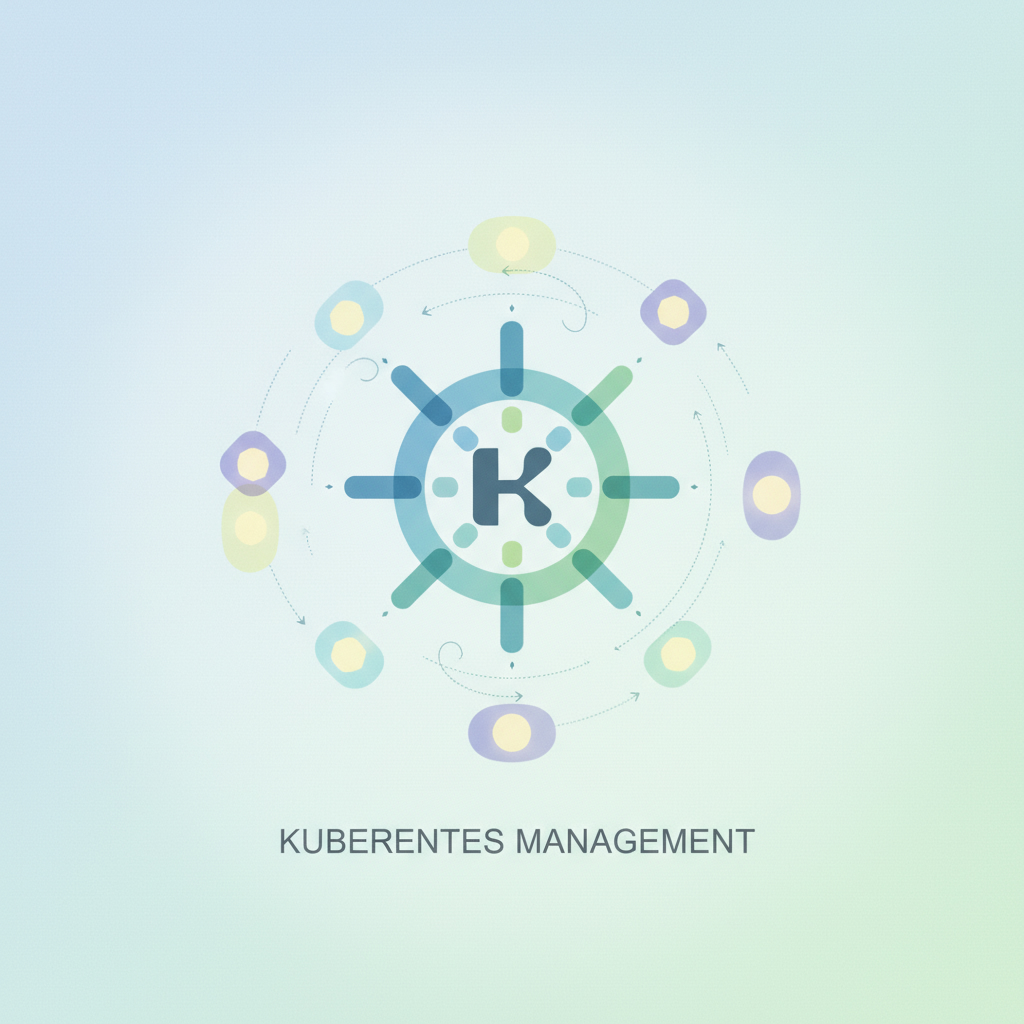
The KVA is arguably the most comprehensive method for Kubernetes visibility. Installed within each Kubernetes cluster, this lightweight agent captures real-time configuration changes and provides detailed insights into the operational state of applications. This method supports service mapping, enabling organizations to visualize their application architecture effectively.
Leveraging AI for Enhanced Kubernetes Insights
By integrating AI workflows with Kubernetes visibility, organizations can unlock numerous benefits:
– Enhanced Decision-Making: AI can analyze vast amounts of operational data to provide actionable insights, helping teams make informed decisions quickly.
– Predictive Analytics: With AI, organizations can forecast potential issues before they escalate, ensuring uninterrupted business operations.
– Resource Optimization: AI algorithms can suggest optimal resource allocation, reducing costs and improving efficiency.
Conclusion
Incorporating AI into your Kubernetes visibility strategy is essential for organizations looking to thrive in today’s digital age. By implementing best practices such as agentless discovery, automated scheduling, and utilizing the Kubernetes Visibility Agent, businesses can enhance their operational efficiency and security posture. To learn more about how to effectively implement AI in your organization, visit Implement Artificial Intelligence. By taking these steps, organizations not only improve their Kubernetes management but also ensure they are well-equipped to handle future challenges in an ever-evolving technological landscape.