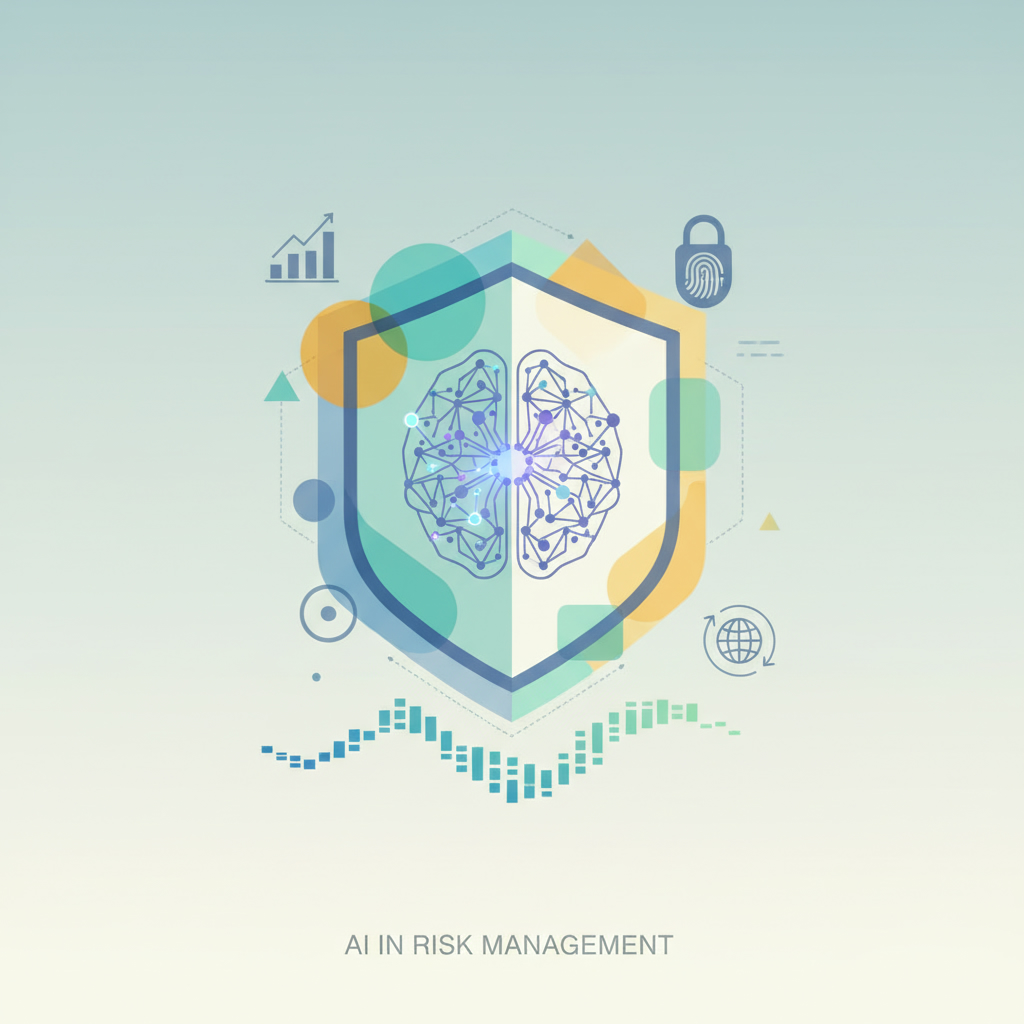
Artificial Intelligence (AI) is revolutionizing various industries, and risk management is no exception. The latest Zurich release introduces innovative features that enhance Integrated Risk Management (IRM) and Now Assist functionalities, making risk management more efficient and effective. This article explores the new AI-driven capabilities that empower organizations to streamline their risk processes, improve compliance, and enhance decision-making. With the growing reliance on AI, businesses are now better equipped to tackle complexities in risk management, providing a competitive edge in today’s fast-paced environment.
Understanding the Zurich Release in AI and Risk Management
The Zurich release marks a significant advancement in how organizations implement AI in their risk management frameworks. By leveraging AI technologies, companies can now automate various processes, from control rationalization to regulatory alert mapping. The incorporation of AI not only reduces manual workloads but also enhances the accuracy of risk assessments and compliance checks.
Key Features of AI in the Zurich Release
AI-Powered Control Rationalization
One of the standout features of the Zurich release is the AI-powered rationalization of control objectives. This feature automates the identification of duplicate control objectives within an organization, significantly reducing complexity. By generating a common control objective with clear descriptions and guidance, businesses can streamline their compliance processes.
Experts agree that automating this aspect of risk management leads to improved productivity and clarity across compliance teams. The AI analyzes existing control objectives and consolidates duplicates, allowing organizations to focus on what truly matters—effective risk management.
Enhanced Regulatory Alert Mapping
The integration of AI in mapping regulatory alerts is another game-changer. Traditionally, compliance teams faced the daunting task of manually analyzing updates, which was both time-consuming and prone to errors. With the Zurich release, AI now assists in quickly matching regulatory changes, such as GDPR updates, to internal controls. This capability not only accelerates compliance processes but also ensures that organizations remain agile in responding to regulatory changes.
By automatically suggesting relevant controls, AI supports compliance analysts in operationalizing changes more efficiently. This not only saves time but also minimizes the risk of oversight in compliance efforts.
Risk Event Summarization
Risk event summarization is another critical feature introduced in the Zurich release. When a significant risk event occurs, such as a data breach, the sheer volume of information can overwhelm teams. AI-driven summarization capabilities extract key details from lengthy risk event records, providing concise summaries that highlight essential information.
This feature enhances collaboration among risk coordinators, ensuring everyone operates from a consistent and clear narrative. With AI summarizing risk events, organizations can respond more effectively and mitigate potential damages quickly.
Document Intelligence for ESG Reporting
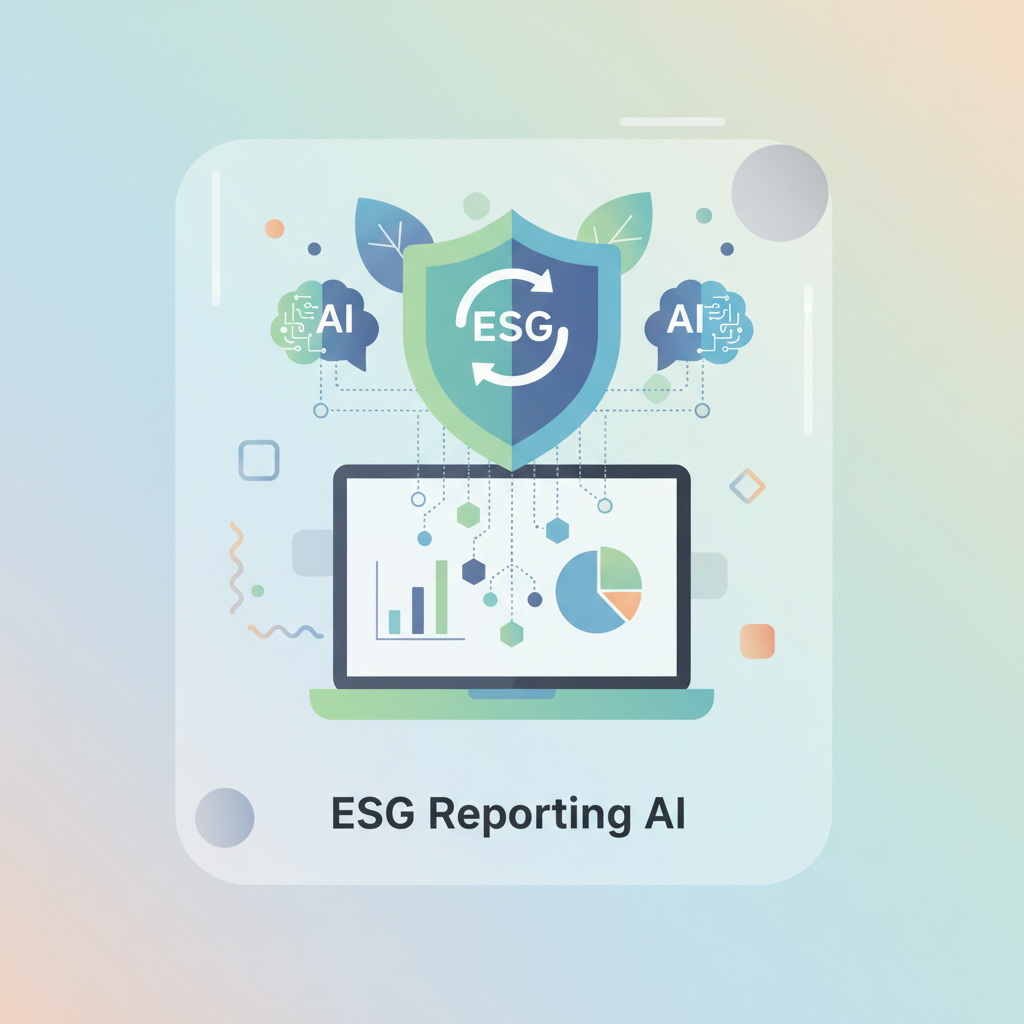
The Zurich release also expands AI capabilities into Environmental, Social, and Governance (ESG) reporting. The new document intelligence feature allows organizations to automatically extract critical data from utility bills and other documents, streamlining the ESG reporting process. By automating data extraction, businesses can enhance accuracy and free up resources for more strategic analysis.
As organizations strive for sustainability, this AI-powered solution becomes indispensable in managing and reporting on their ESG metrics. Companies can now focus on analyzing performance rather than spending excessive time on manual data entry.
Embracing AI for Effective Risk Management
Integrating AI into risk management processes is no longer optional; it’s essential. The Zurich release demonstrates how organizations can leverage AI to improve efficiency, reduce redundancy, and enhance compliance. As businesses continue to face evolving risks and regulations, implementing AI solutions becomes vital for maintaining a competitive edge.
Businesses looking to implement artificial intelligence can consider partnering with an AI agency that specializes in these technologies. By hiring an AI expert, companies can ensure they are utilizing the latest advancements in AI to optimize their risk management processes.
Conclusion
The Zurich release showcases the transformative power of AI in risk management. By automating processes such as control rationalization, regulatory alert mapping, and risk event summarization, organizations can significantly enhance their compliance efforts and operational efficiency. As AI continues to evolve, companies that prioritize the implementation of these technologies will undoubtedly lead the way in effective risk management strategies. To explore how your organization can implement AI solutions, consider reaching out to experts in the field.
For more information on implementing artificial intelligence in your organization, visit Implement Artificial Intelligence.