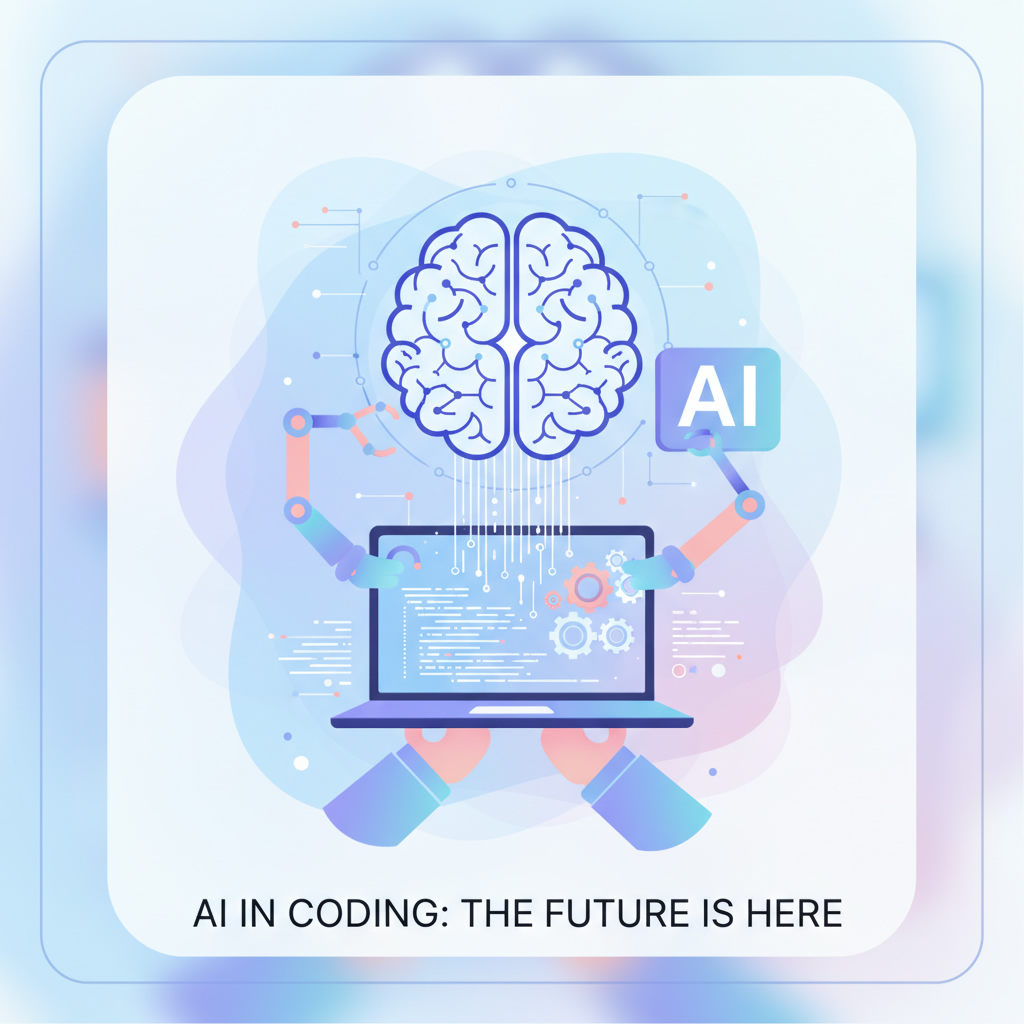
Artificial intelligence (AI) is revolutionizing the way developers approach coding projects. Recently, OpenAI has introduced a Codex plugin for Cloud Code, streamlining the integration of AI into existing workflows. This development marks a significant evolution in AI services, providing a more user-friendly way to incorporate AI capabilities into software and game development.
The Codex plugin simplifies the process for developers who are already utilizing Cloud Code, creating a seamless transition into AI-enhanced coding. While many have been experimenting with Codex and Cloud Code in tandem, this official plugin enhances functionality and accessibility, making it easier than ever to leverage AI for code reviews and project management.
Understanding the Benefits of AI in Software Development
AI is not just a trend; it is reshaping the landscape of software engineering. By utilizing AI, developers can achieve greater efficiency and precision, particularly in code reviews and error detection. With AI tools like Codex, users can receive immediate feedback on their code, enabling them to identify potential issues before they escalate into larger problems.
Why Use Codex for Code Reviews?
The integration of Codex into Cloud Code workflows has been met with enthusiasm among developers. The head of developer experience at OpenAI highlighted that users have been successfully employing Codex for comprehensive code reviews and utilizing GPT-5.4 for more complex tasks. This dual approach allows for a collaborative environment where AI acts as a second set of eyes, ensuring that no detail is overlooked.
– Enhanced Accuracy: Codex is adept at pinpointing errors and suggesting improvements, which can significantly reduce the debugging process.
– Cost-Effective Solutions: Developers can access Codex through free ChatGPT subscriptions, democratizing AI services and making advanced tools available to a broader audience.
Comparing AI Models: Codex vs. Opus
When evaluating the effectiveness of AI models such as Codex and Opus 4.6, benchmarks reveal interesting insights. Research shows that while Opus has a slight edge in some areas, Codex consistently outperforms in various coding benchmarks.
Key Differences in Performance
– Speed and Efficiency: Codex may take longer to process certain tasks compared to Opus, but the depth of analysis it provides can lead to more robust solutions.
– Creative Outputs: Users have noted that Codex excels in generating creative solutions, while Opus tends to focus on structural accuracy. This complementary nature can enhance overall project quality when both tools are utilized effectively.
Best Practices for Implementing AI in Your Workflows
To fully harness the power of AI, it’s essential to adopt a hybrid approach. Here are some strategies for implementing AI effectively in your projects:
1. Identify Use Cases: Determine where AI can add the most value, such as in code reviews, debugging, or project planning.
2. Experiment with Tools: Don’t hesitate to mix and match AI solutions based on specific tasks. For instance, some developers prefer to use Cloud Code for initial planning and Codex for execution and reviews.
3. Monitor Performance: Regularly assess the outputs from both AI tools to understand their strengths and weaknesses in your context.
Conclusion: The Future of AI in Software Development
As AI continues to evolve, its integration into software development will only deepen. Tools like Codex and Cloud Code provide avenues for developers to enhance their workflows and improve code quality. Embracing these AI solutions can streamline processes and foster innovation in coding projects.
For those interested in exploring AI services further and implementing artificial intelligence in their workflows, consider reaching out to an AI expert who can guide you through the process. The future is bright for AI in software development, and the right tools can make all the difference.