In today’s fast-paced business environment, AI is reshaping how organizations operate. Implementing artificial intelligence can streamline processes, enhance decision-making, and improve overall efficiency. As companies strive to maintain a competitive edge, understanding how to effectively implement AI becomes crucial. This article delves into the transformative potential of AI on workflows, the challenges organizations face, and strategies for successful integration.
Understanding the Role of AI in Modern Business
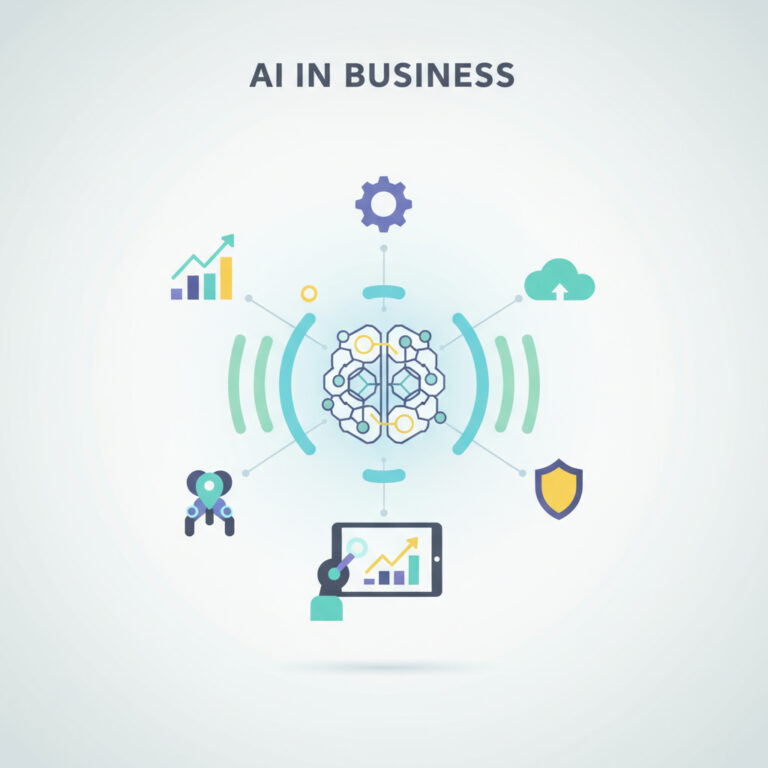
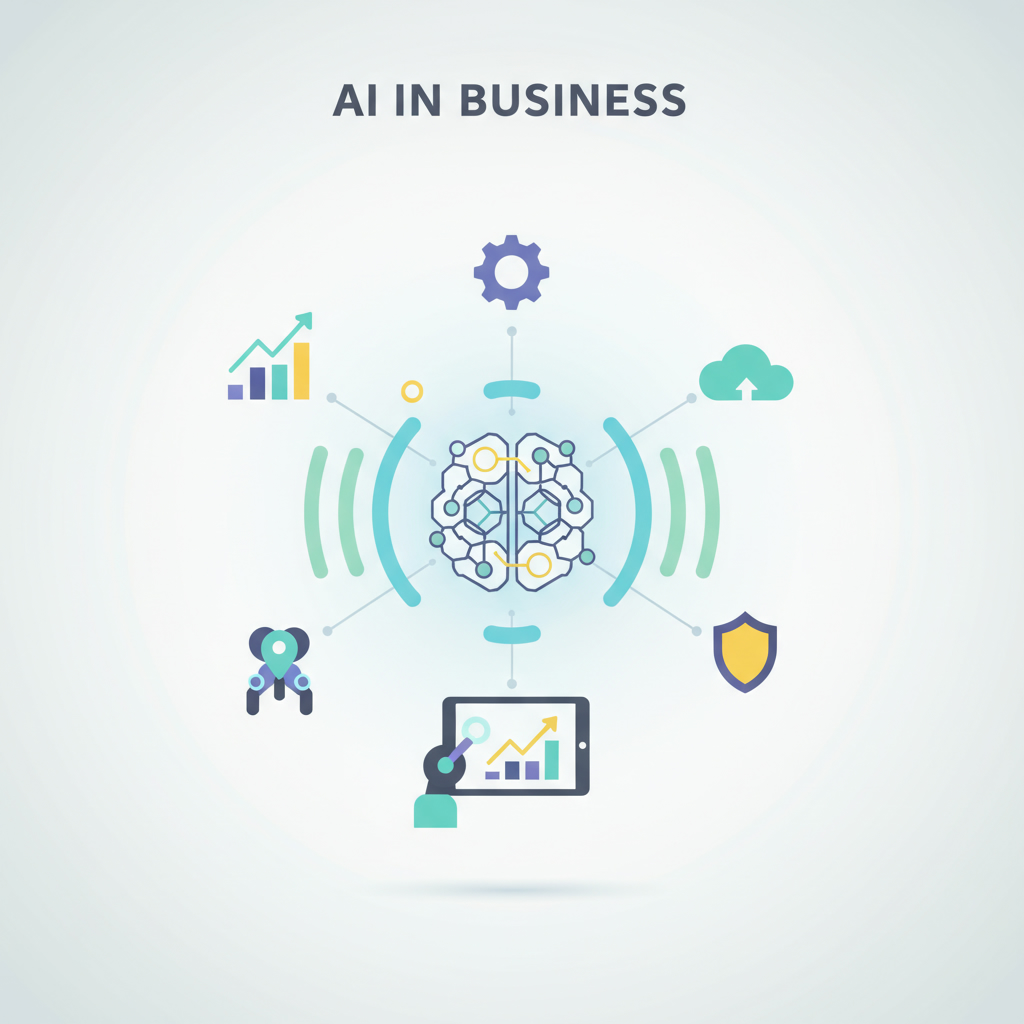
Artificial intelligence is not just a buzzword; it is a powerful tool that can automate tasks, analyze data, and offer insights that drive strategic decisions. According to recent studies, AI services have the potential to increase productivity by up to 40%. Businesses that adopt AI technologies can automate repetitive tasks, allowing employees to focus on more complex and creative work.
Benefits of AI Workflows
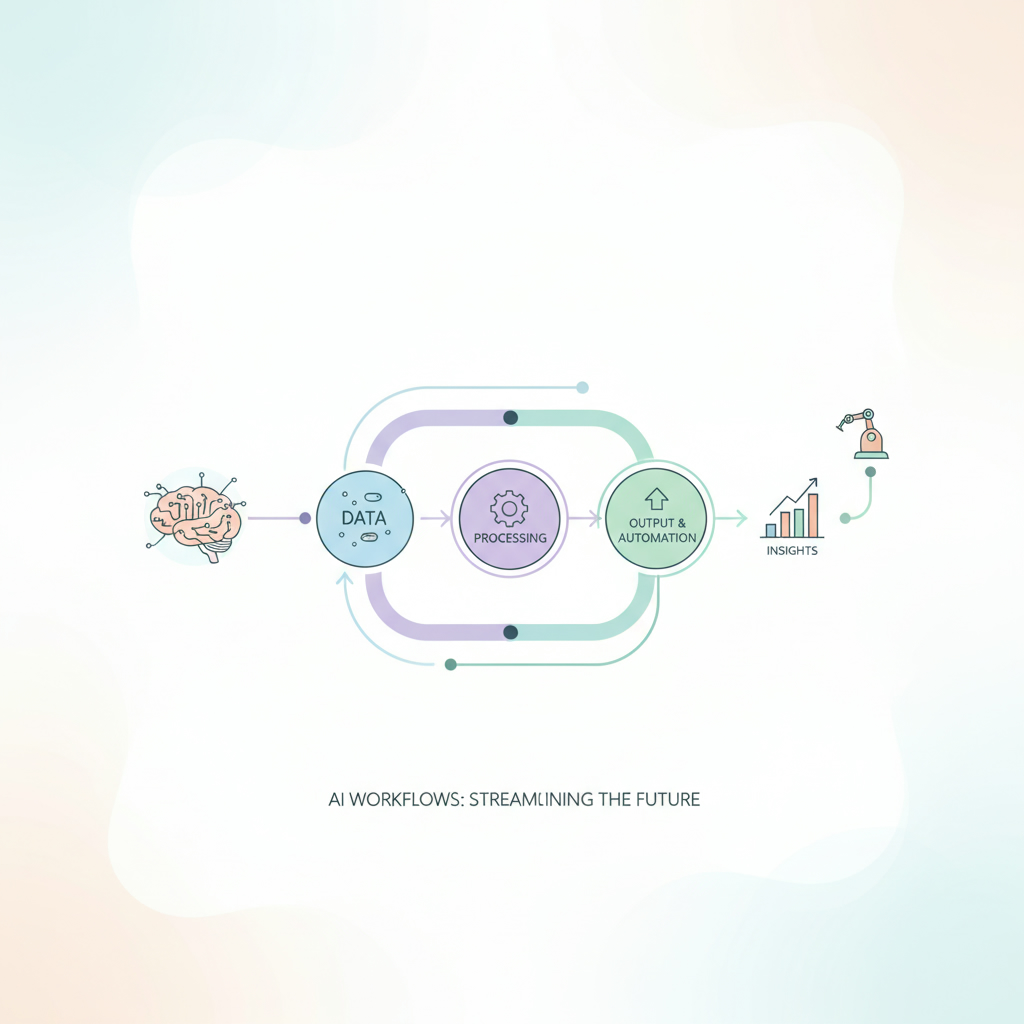
AI workflows integrate artificial intelligence into everyday business processes, enhancing efficiency and reducing human error. Here are some key benefits:
– Automation of Routine Tasks: By utilizing AI bots, organizations can automate repetitive tasks, reducing the workload on human employees and minimizing errors.
– Data-Driven Insights: AI systems can analyze vast amounts of data quickly, providing organizations with actionable insights that inform business strategies.
– Enhanced Customer Experiences: AI chat systems can improve customer interactions by providing instant responses and personalized experiences.
Overcoming Challenges in AI Implementation
Despite the evident benefits, many organizations face challenges in their journey to implement AI. According to the MIT Technology Review, around 95% of AI projects fail to deliver the expected results due to various factors:
– Fragmented Data: Organizations often struggle with data siloing, where critical information is scattered across different systems, making it difficult to analyze and utilize effectively.
– Lack of AI Readiness: Research shows that only 4% of technology leaders believe their data is prepared for AI applications. This indicates a significant gap in data quality and governance.
– Integration Issues: Combining existing systems with new AI frameworks can be complex and time-consuming, leading to delays in project timelines.
Strategies for Effective AI Integration
To successfully leverage AI, organizations need to adopt a systematic approach to integration. Here are some best practices:
1. Establish a Clear Data Strategy: Organizations should focus on creating a unified data foundation that ensures data is accurate, accessible, and ready for AI processing.
2. Utilize AI Frameworks: Implementing AI frameworks such as workflow data fabric can help organizations connect disparate data sources, providing a holistic view that enhances AI capabilities.
3. Invest in Training and Expertise: Hiring AI experts or collaborating with specialized AI agencies can ensure that organizations have the necessary skills and knowledge to navigate the complexities of AI integration.
The Future of AI in Business
As AI technology continues to evolve, its role in business will only grow. The integration of AI workflows will become increasingly vital for organizations looking to innovate and adapt in a rapidly changing market. Research indicates that by 2026, AI-driven technologies will dominate data management and analysis, paving the way for smarter decision-making processes.
Partnering with AI Agencies
For many organizations, partnering with an AI agency can provide the expertise needed to implement AI solutions effectively. These agencies can assist in developing customized AI strategies, ensuring that businesses can harness the full potential of artificial intelligence. Organizations interested in exploring AI solutions can connect with an expert to discuss tailored approaches.
Unlocking the Potential of AI
In conclusion, the successful implementation of AI can transform business workflows, driving efficiency and innovation. By overcoming challenges related to data fragmentation and readiness, organizations can unlock the full potential of AI, enhancing their decision-making processes. As businesses navigate this journey, investing in AI expertise and leveraging advanced frameworks will be essential for success in the AI era.
To learn more about how to effectively implement AI in your organization, visit Implement Artificial Intelligence.