Artificial intelligence (AI) is no longer just a buzzword; it is a critical component for businesses looking to enhance efficiency and drive innovation. In recent years, organizations like KPMG have embarked on AI transformation journeys, leveraging tools like ServiceNow to implement artificial intelligence effectively. This blog post will explore the steps businesses can take to implement AI successfully, focusing on strategies that lead to measurable results in just 90 days. By embedding AI into workflows and decision-making processes, companies can realize significant value in productivity and cost reduction.
Understanding the Need for AI in Business
The demand for AI services is skyrocketing as companies recognize the potential of AI to optimize operations. According to a survey conducted by Oxford University, businesses that integrate AI into their workflows see a notable competitive advantage. However, many organizations struggle to keep pace with the rapid advancements in AI technology.
Key Benefits of Implementing AI
Implementing artificial intelligence can yield numerous benefits, including:
– Cost Reduction: Streamlining operations can lead to a significant decrease in overhead costs.
– Enhanced Efficiency: AI can automate repetitive tasks, allowing employees to focus on more strategic initiatives.
– Improved Decision-Making: AI tools can analyze vast amounts of data quickly, providing insights that drive better business decisions.
The KPMG AI Transformation Journey
KPMG’s experience with AI transformation illustrates how companies can successfully implement AI. By utilizing ServiceNow’s AI capabilities, KPMG aimed to reduce costs by 30% and improve overall service efficiency. The team identified key use cases that aligned with their business objectives, which served as a North Star guiding their AI initiatives.
Identifying Use Cases for AI Implementation
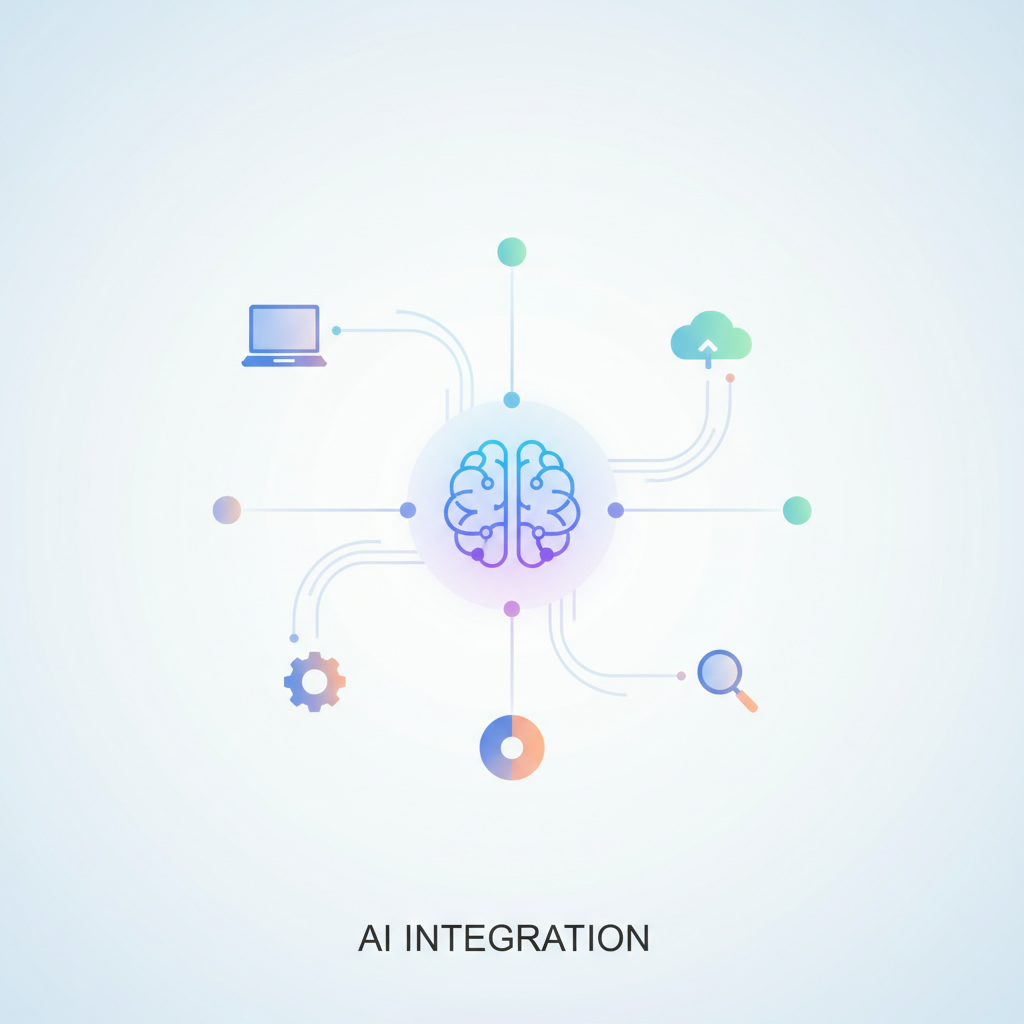
To implement AI effectively, organizations should prioritize use cases that drive measurable outcomes. KPMG focused on five primary use cases:
1. Hardware Requests: Automating the process for requesting IT equipment.
2. Incident Trend Analysis: Proactively identifying potential major incidents before they impact users.
3. Knowledge Management: Automatically generating knowledge articles based on recurring incidents to enhance information availability.
4. Software Automation: Streamlining software deployment processes to reduce delivery times.
5. Problem Management: Using AI to analyze incident patterns and prevent recurring issues.
Strategies for Successful AI Implementation
Experts suggest several strategies for organizations looking to implement AI:
– Start Small: Begin with manageable projects that demonstrate quick wins. This approach helps build momentum and stakeholder buy-in.
– Leverage Existing Data: Utilize historical data to train AI models effectively. This foundational step is crucial for successful AI outcomes.
– Engage Stakeholders: Collaborate with various departments to identify pain points and opportunities for AI integration. Input from employees can lead to more relevant use cases.
– Focus on User Experience: Ensure that the AI solutions developed enhance the user experience, making processes easier and more efficient.
Overcoming Challenges in AI Adoption
While the benefits of AI are clear, organizations may face challenges during implementation. Common hurdles include:
– Cultural Resistance: Employees may be hesitant to adopt AI tools, fearing job displacement or increased complexity.
– Skill Gaps: Not all employees are equipped with the necessary skills to leverage AI effectively. Training programs can help bridge this gap.
– Data Quality: AI relies heavily on data; ensuring data accuracy and relevance is critical for success.
Building Trust in AI Solutions
For organizations transitioning to AI-driven processes, building trust in technology is paramount. Companies should:
– Educate Employees: Offer training and resources that clarify how AI systems work and their benefits.
– Maintain a Human Touch: Keep humans involved in critical decision-making processes, especially in the early stages of AI implementation.
The Future of AI in Business
As organizations continue to explore AI capabilities, the future looks promising. The next steps for businesses include:
– Expanding AI Applications: Companies should look beyond IT service management to incorporate AI across various business functions, such as HR and finance.
– Investing in AI Education: Ongoing training and development will be essential in fostering a culture of innovation.
– Collaborative AI Solutions: Emphasize teamwork between AI and human workers to create a more efficient workplace.
Call to Action
If your organization is ready to embark on its AI journey, consider partnering with an AI agency that specializes in implementing artificial intelligence solutions. Visit Implement Artificial Intelligence to learn how we can help you navigate the complexities of AI integration.
Embracing AI is not just about technology; it’s about fundamentally changing how businesses operate. With the right approach, organizations can harness the power of AI to drive growth and innovation.
In summary, the path to implementing AI is filled with opportunities for businesses to enhance their operations. By understanding the benefits, strategies, and potential challenges, companies can successfully leverage artificial intelligence to transform their workflows and deliver significant value in just 90 days.