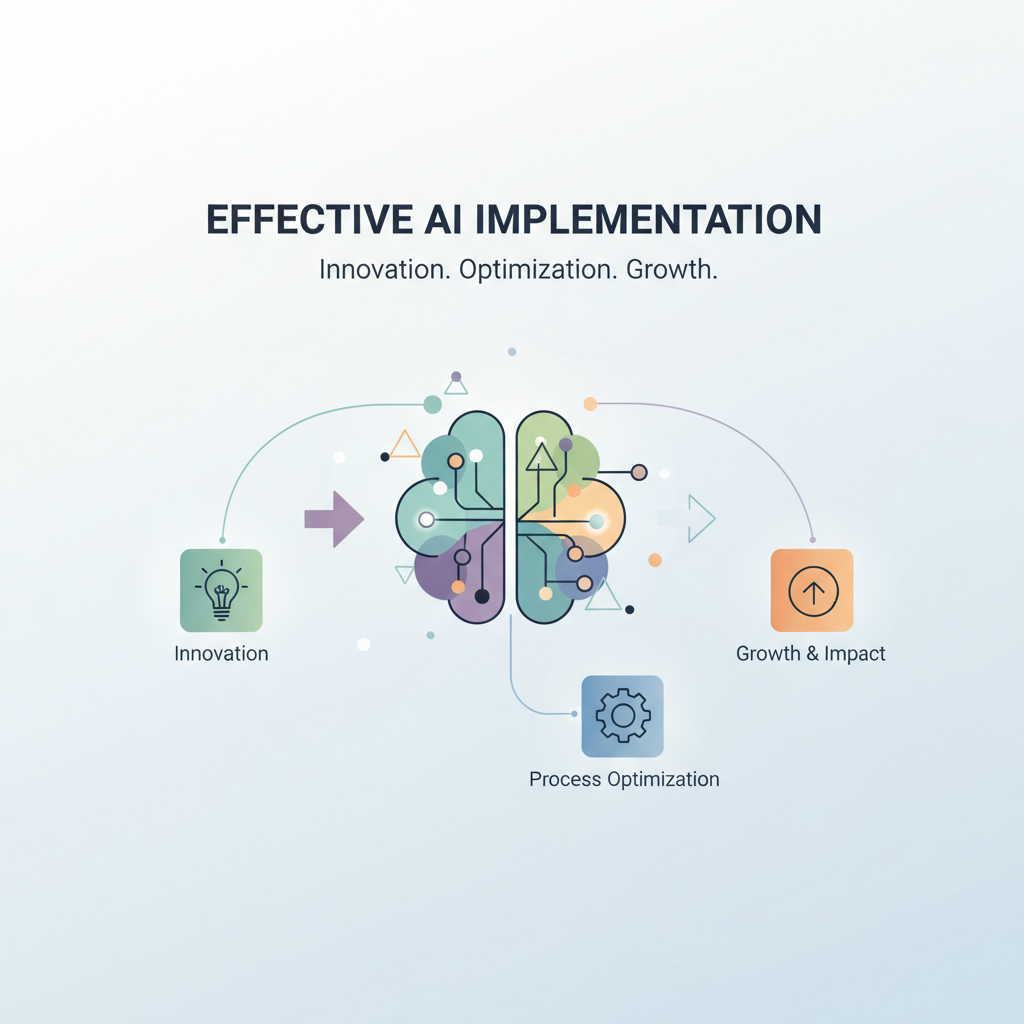
In today’s rapidly evolving business landscape, implementing AI effectively is crucial for organizations looking to drive operational efficiency and gain a competitive edge. One of the most effective methodologies for leveraging AI is through process mining, which provides insights into process inefficiencies and opportunities for improvement. By focusing on five key building blocks, organizations can develop a successful process mining program that not only identifies problems but also implements sustainable solutions. This article will delve into these foundational elements, illustrating how to hire AI experts and embed artificial intelligence into your workflows for better outcomes.
Understanding Process Mining
Process mining is a powerful analytical technique that allows organizations to visualize their processes using data generated during operations. By utilizing AI, businesses can decode complex process flows, uncover inefficiencies, and implement changes that drive productivity. Experts agree that the transparency gained through process mining can significantly enhance decision-making processes, allowing for more informed and strategic actions.
The Importance of Clear Success Definition
The first building block for a successful process mining program is defining what success looks like. Organizations must establish clear metrics tied to business outcomes rather than merely tracking project completion. For instance, successful implementations might measure improvements in incident resolution times or reductions in operational costs. By defining success at multiple levels—discovery, action, and outcome—companies can ensure accountability and align their process mining initiatives with broader business goals.
Effective Team Structure and Roles
A well-defined team structure is essential for implementing AI in process mining. The most effective model is often a hub and spoke approach, with a central process mining center of excellence (COE) that supports domain-specific teams. This structure fosters collaboration and allows organizations to distribute workload while maintaining consistency in process mining efforts. Additionally, pairing process owners with data analysts enhances the identification of patterns and insights, leading to actionable results.
Establishing an Operating Rhythm
To sustain momentum in process mining efforts, organizations should establish a regular operating rhythm. This can involve weekly office hours for discussions and brainstorming sessions, monthly reviews to share findings, and quarterly assessments of program health. Consistency in these activities not only embeds process mining into the organizational culture but also helps in celebrating successes and learning from challenges.
Communication and Documentation
Effective communication is crucial for ensuring that insights from process mining translate into action. Organizations should develop a standardized template for reporting findings that includes observations, impacts, root causes, and recommended actions. This structured approach helps stakeholders understand the relevance of data insights and fosters a culture of continuous improvement.
Embedding Process Mining in Organizational Culture
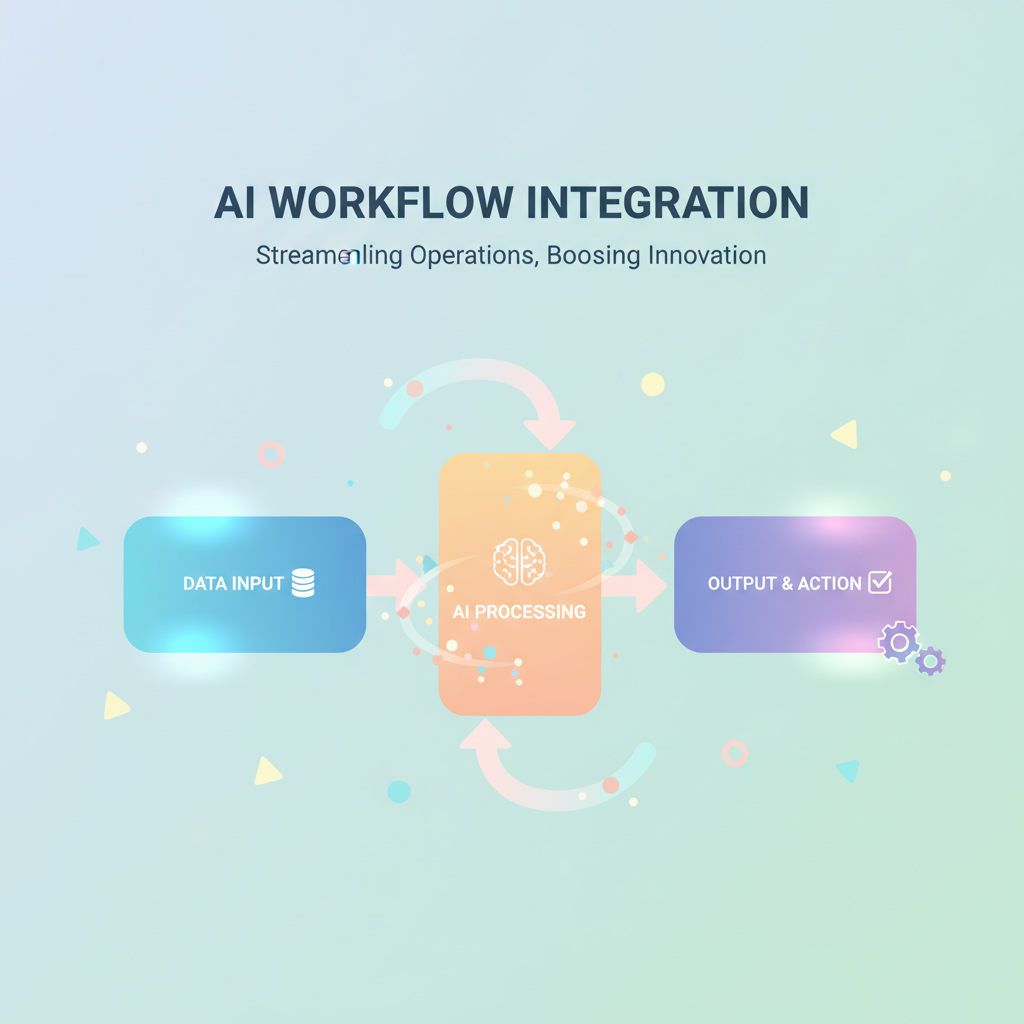
To fully leverage AI and process mining, organizations must integrate these practices into their daily operations. This involves making insights readily accessible and embedding them into existing workflows. When process mining becomes a natural part of how teams operate, it enables data-driven decisions and continuous improvement without needing constant oversight or separate initiatives.
Conclusion: Elevate Your Organization with AI
As organizations navigate the complexities of modern business, implementing AI through process mining offers a strategic advantage. By focusing on the five building blocks outlined above, companies can build a robust process mining program that drives efficiency, accountability, and sustained improvement. To learn more about how your organization can effectively hire AI experts and implement these strategies, visit Implement Artificial Intelligence.
For further insights into how AI can transform your operations, consult industry leaders and explore resources like McKinsey’s insights on AI. By embracing these principles, your organization can thrive in a landscape increasingly defined by technological innovation.