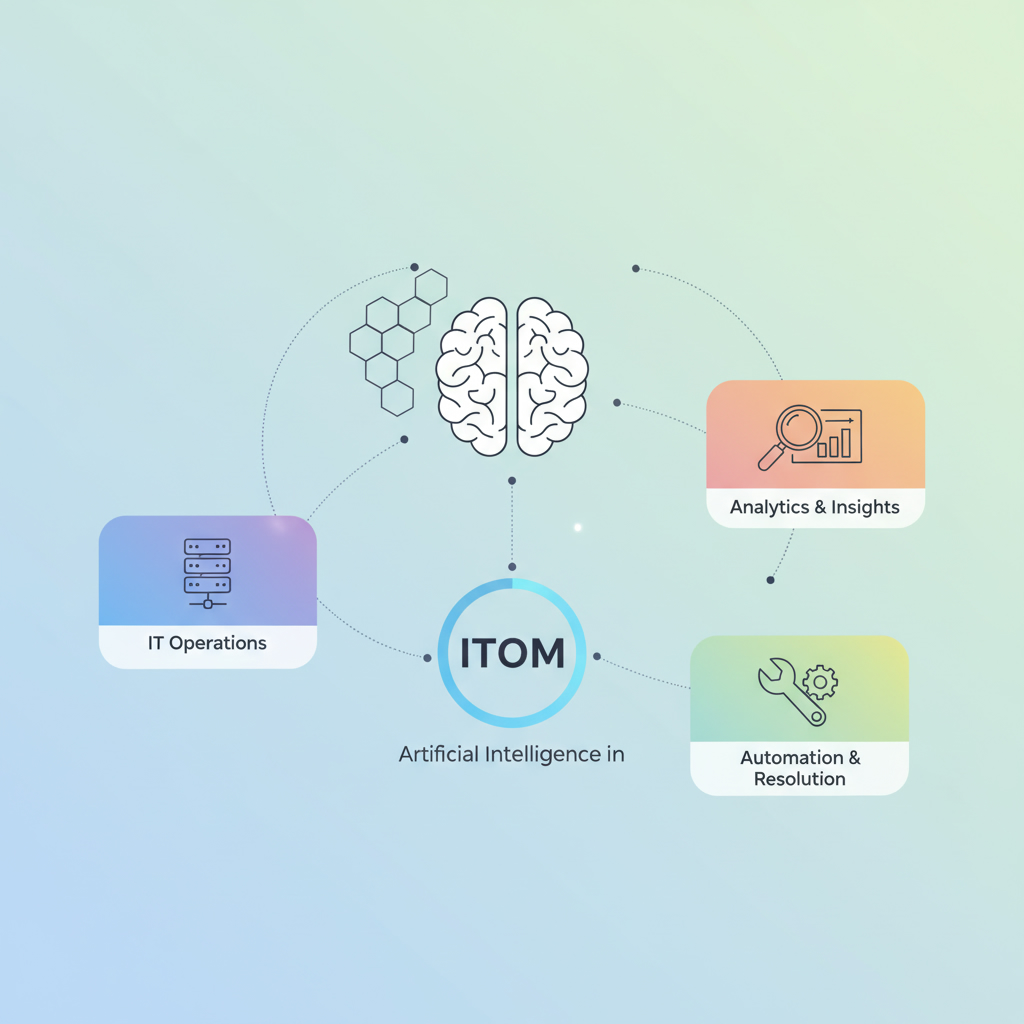
In today’s fast-paced digital landscape, organizations are increasingly turning to artificial intelligence (AI) to enhance their IT Operations Management (ITOM). Implementing AI capabilities can significantly improve efficiency, reduce downtime, and automate complex processes. By leveraging AI solutions, businesses can accelerate their ITOM success, ensuring a seamless integration of new capabilities while maximizing their existing resources. In this article, we’ll explore how AI experts can guide organizations through the implementation of artificial intelligence, focusing on the latest tools and strategies that can drive quick wins and sustainable results.
Understanding ITOM and Its Importance in Modern Businesses
IT Operations Management (ITOM) is a critical component of IT services, encompassing the processes and technologies used to manage and optimize IT services and infrastructure. As businesses face increasing demands for agility and efficiency, the integration of AI services into ITOM has become essential. Research indicates that organizations utilizing AI for ITOM can achieve up to 40% faster incident resolution times and significantly reduce operational costs.
The Role of AI in Enhancing ITOM
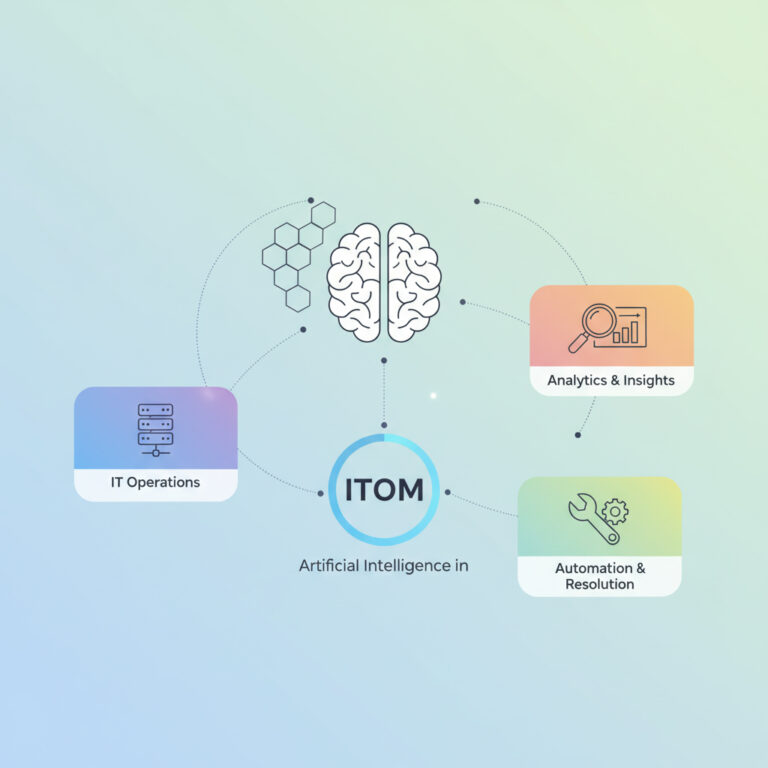
AI plays a pivotal role in transforming ITOM by automating routine tasks, providing predictive insights, and enabling proactive decision-making. Organizations can harness AI to:
– Predict and prevent IT issues before they escalate, thus minimizing downtime.
– Automate workflows, reducing the need for manual interventions and accelerating response times.
– Enhance data analysis capabilities, allowing for better visibility and understanding of IT operations.
Key AI Tools for Accelerating ITOM Success
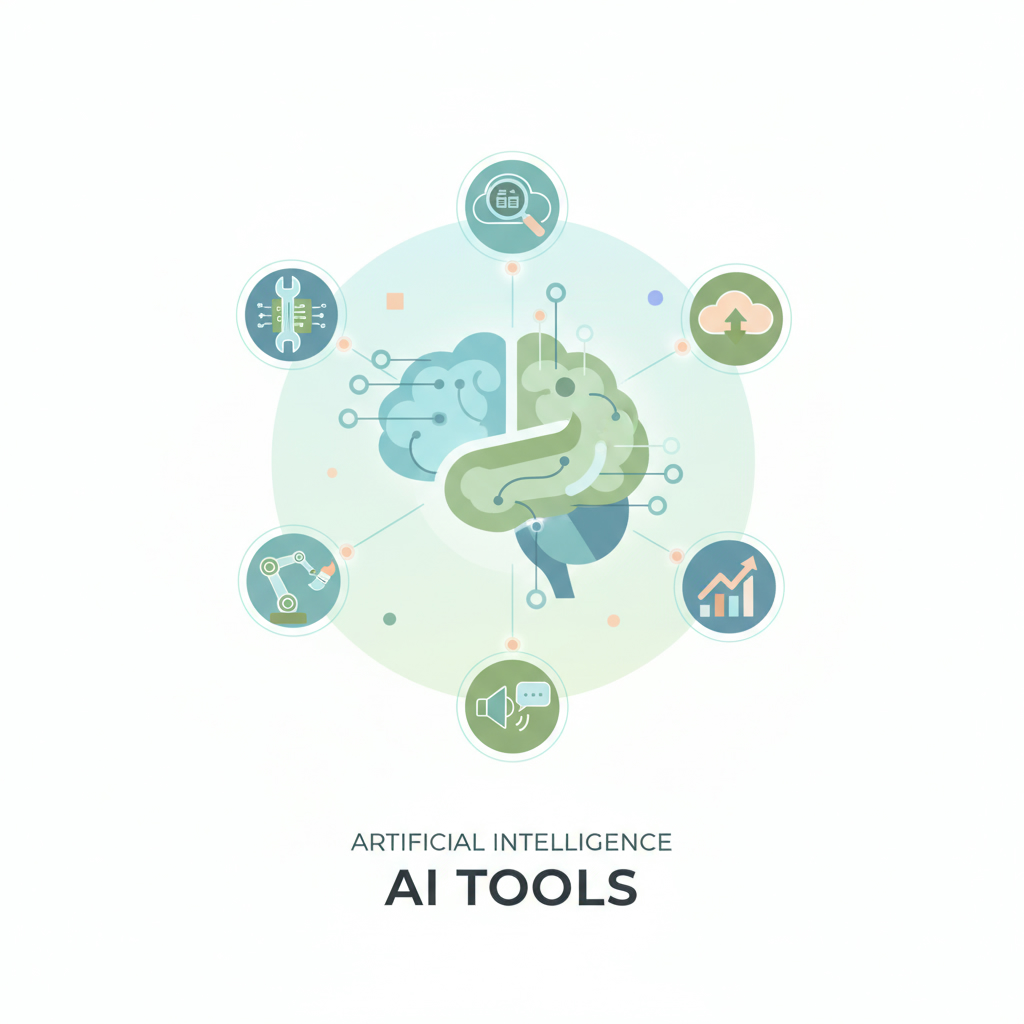
Several AI tools are available for organizations looking to enhance their ITOM capabilities. Here’s a closer look at some of the most effective solutions that can help accelerate your success:
1. Health Log Analytics (HLA): This tool leverages AI to analyze logs and identify patterns that may indicate potential issues. By utilizing unsupervised anomaly detection, HLA can alert teams to anomalies before they lead to significant outages.
2. Service Reliability Management (SRM): SRM integrates AI to help organizations manage service levels, automate incident responses, and track performance metrics. By using AI-driven insights, teams can quickly identify and address issues impacting service delivery.
3. Cloud Account Management (CAM): This tool automates the management of cloud resources, ensuring compliance and optimizing costs. With AI, organizations can streamline their cloud operations and improve governance.
4. Synthetic Monitoring: Although not a new concept, integrating synthetic monitoring into your ITOM strategy enhances visibility across applications and services. AI can automate the setup of monitoring tasks, reducing the time required for manual configurations.
5. Service Observability: This solution provides a unified view of all monitoring data, enabling teams to correlate alerts from various tools. By employing AI, organizations can gain insights into the overall health of their IT services and quickly respond to emerging issues.
Implementing AI: Best Practices for Success
Successfully implementing AI within ITOM requires a strategic approach. Here are some best practices organizations should consider:
– Identify Use Cases: Start by pinpointing specific areas within ITOM that can benefit from AI. Focus on high-impact use cases that align with your organization’s goals.
– Engage AI Experts: Collaborate with AI experts who understand the intricacies of both AI technology and ITOM processes. Their guidance can help streamline implementation and ensure optimal outcomes.
– Leverage Existing Tools: Many organizations may already own AI capabilities through their existing ITOM tools. Maximize these investments by utilizing the advanced features available.
– Monitor and Measure Outcomes: Establish metrics to evaluate the effectiveness of AI implementations. Continuous monitoring will help identify areas for improvement and ensure that AI solutions deliver the expected value.
The Future of AI in ITOM
As technology continues to evolve, the role of AI in ITOM will only grow. Organizations that adopt AI-driven solutions will be better equipped to handle the complexities of modern IT environments. According to a study by the McKinsey Global Institute, companies that fully implement AI in their operations can increase productivity by 40% or more. The future is clear: those who hire AI agencies or AI experts to guide their journey will have a significant competitive advantage.
Taking Action: Your Path to AI Implementation
To truly harness the power of AI in ITOM, organizations must take proactive steps toward implementation. Engaging with AI agencies that specialize in ITOM can provide the necessary expertise and resources to facilitate a smooth transition. Whether you are looking to automate processes, enhance data analysis, or improve incident response times, leveraging AI services is the key to success.
For more information on how to implement AI in your organization, visit Implement Artificial Intelligence or contact us directly to discuss your needs.
In summary, implementing artificial intelligence within ITOM represents a transformative opportunity for organizations. By embracing AI-driven solutions and collaborating with experts, businesses can accelerate their ITOM success, streamline operations, and ultimately drive greater value from their IT investments.