
In today’s data-driven landscape, the ability to implement AI effectively hinges on whether your data can truly speak your language. Artificial intelligence is revolutionizing industries, but there’s a significant gap between the data available and the business context required to use it effectively. With over 19 years in the AI field, experts have observed that many organizations struggle to bridge this gap. Understanding how to align data with business needs is crucial for leveraging the full potential of AI.
Understanding the Gap Between Data and Business Language
The challenge arises because most data doesn’t relate well to business terminology or operational insights. This disconnect prevents organizations from harnessing the power of AI workflows effectively. According to research, a significant part of this problem involves the way data is defined and modeled within organizations.
Data governance is essential in establishing a common language around data. Without proper definitions and context, data remains an untapped resource. For artificial intelligence to be beneficial, it must be embedded in business processes rather than merely added as an afterthought.
The Importance of Data Modeling and Ontology
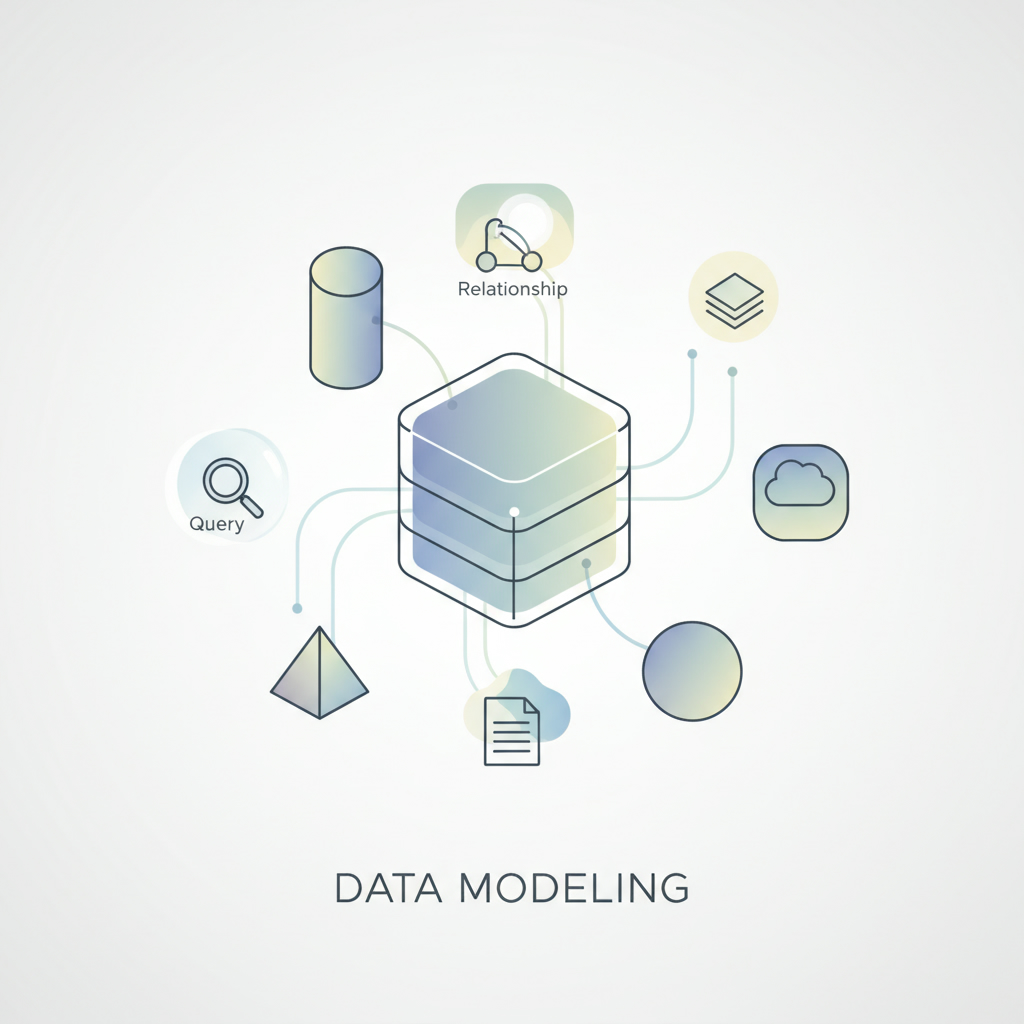
Implementing artificial intelligence successfully starts with a strong foundation in data modeling. This includes physical, logical, and conceptual modeling, which helps organizations understand their data landscape better. Experts recommend focusing on creating an ontology that clearly defines key concepts and relationships within your data.
Steps to Effective Data Implementation
1. Identify Master Data: Determine what data is critical for your operations. This often includes customer data, product information, and key performance indicators (KPIs).
2. Understand Business Processes: Analyze how data flows through your organization to identify the most valuable information.
3. Establish Clear Definitions: Collaborate across departments to ensure everyone understands what specific terms mean, thereby facilitating better communication and insights.
4. Prioritize Data Quality: Not all data is created equal; therefore, focus on ensuring the accuracy and relevance of essential data sets.
By taking these steps, organizations can create a data-driven culture that effectively utilizes AI services while aligning with business goals.
The Future of AI and Data Understanding
As the landscape of AI continues to evolve, experts indicate that businesses must adapt to keep pace. There are discussions around the potential for automation and AI bots to take over traditional data roles. However, this requires a workforce that understands both data and business contexts. Organizations must strive to embed data governance within their teams to ensure that AI solutions are not only effective but also sustainable.
Experts emphasize the need for a collaborative approach between business leaders and data specialists to bridge the existing gaps. Events like Helsinki Data Week foster this collaboration, allowing data leaders to share insights and best practices for implementing AI successfully.
Call to Action: Start Your AI Journey Today
To truly harness the power of artificial intelligence, organizations must prioritize data that speaks their language. If you’re ready to take the first step in implementing AI effectively, consider partnering with an experienced AI agency. Visit Implement Artificial Intelligence for tailored solutions that meet your business needs.
In conclusion, the success of AI implementation lies in understanding and defining the data that drives your business. By establishing a common language around data, organizations can effectively leverage AI to enhance decision-making and operational efficiency. The future of artificial intelligence is bright for those willing to take the steps necessary to ensure their data truly speaks their language.