In today’s fast-paced business environment, the ability to implement AI effectively can make a significant difference in productivity and efficiency. The rise of artificial intelligence technologies enables individuals and organizations to leverage advanced tools to automate tasks, enhance decision-making, and ultimately drive growth. This article explores how you can build and utilize AI skills to revolutionize your workflow, regardless of your expertise level.
Understanding AI Skills: A Game Changer in Productivity
AI skills refer to reusable instructions designed to automate various tasks, allowing users to operate multiple processes simultaneously without sacrificing quality. By integrating these skills into your daily operations, you create a personal assistant capable of handling everything from project management to data analysis. The concept hinges on leveraging technology to enhance productivity—essentially making your work easier and more efficient.
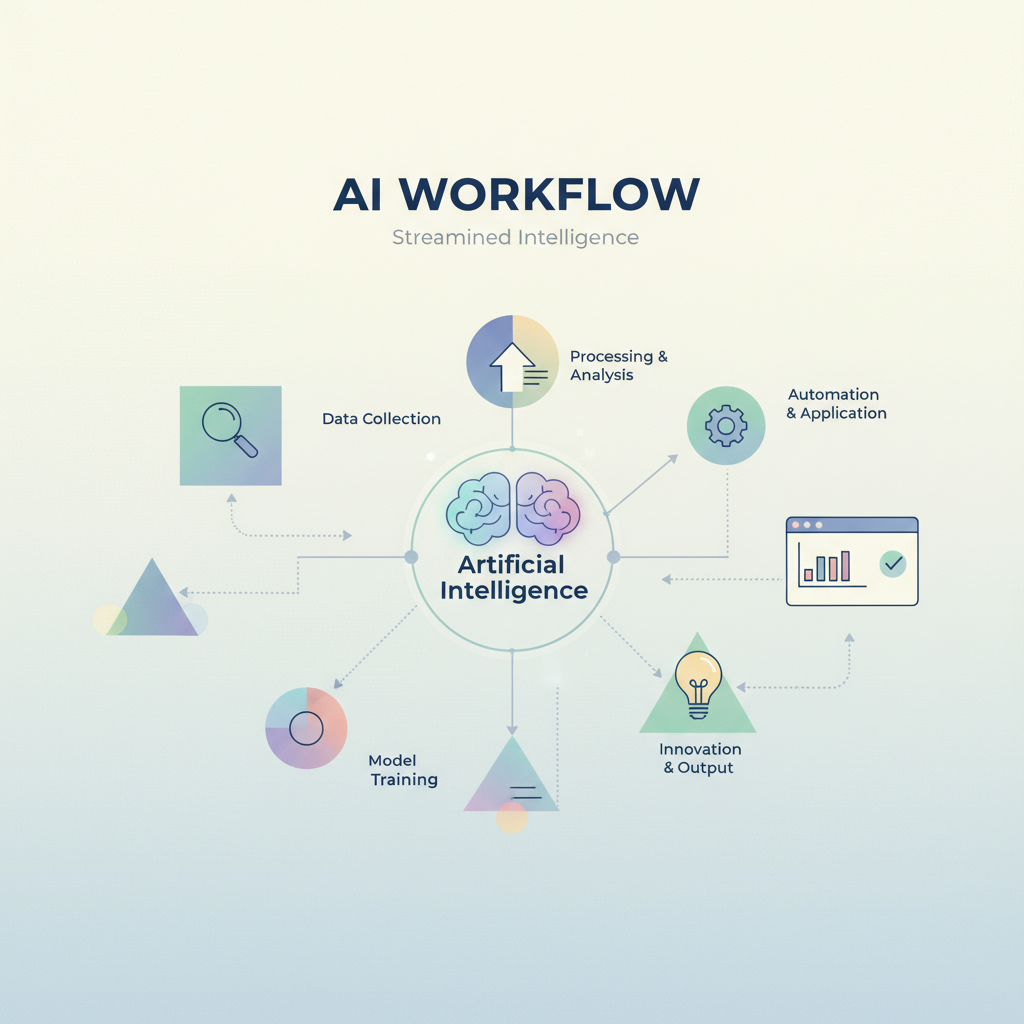
The Benefits of Implementing AI in Your Workflows
1. Increased Productivity: Automating repetitive tasks saves time and reduces the potential for human error.
2. Enhanced Decision-Making: AI can analyze vast amounts of data quickly, providing insights that help inform better business strategies.
3. Collaboration Across Teams: AI tools can streamline communication and project tracking, ensuring everyone is on the same page and tasks are completed efficiently.
Experts agree that by hiring AI experts or collaborating with an AI agency, businesses can fully harness the potential of these technologies. Implementing AI not only boosts individual productivity but also enhances team dynamics, leading to overall improved performance.
Building Effective AI Skills: A Step-by-Step Guide
Creating AI skills might seem daunting, especially for beginners. However, the process can be broken down into manageable steps:
1. Define the Skill’s Purpose
Start with a clear objective. What task do you want to automate? Be specific about the desired outcome.
2. Outline the Workflow
Document the step-by-step process that your AI will follow. Clarity in instructions is essential for effective automation.
3. Integrate Relevant Data
Ensure your AI skill has access to all necessary data to function correctly. This may include scripts, references, or specific guidelines tailored to your business needs.
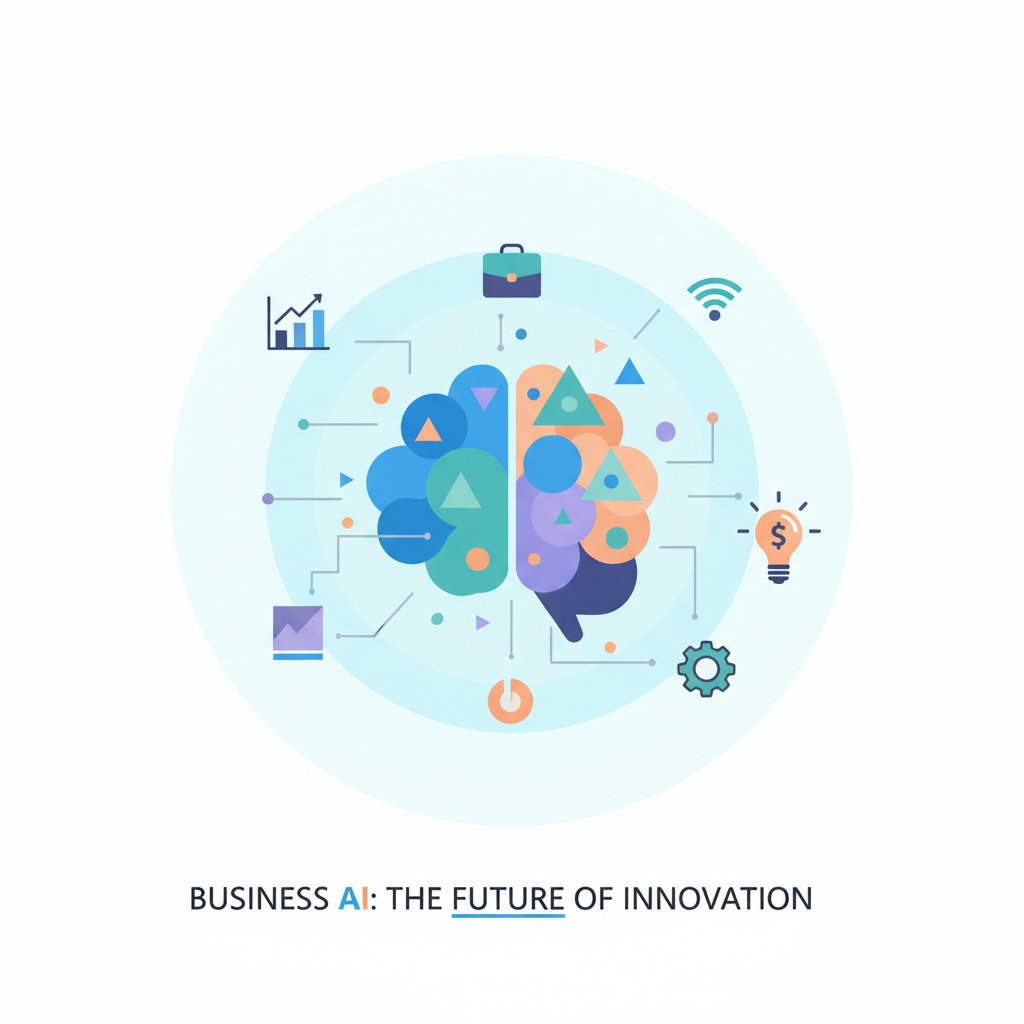
4. Test and Optimize
Once your skill is built, run tests to see how it performs. Gather feedback and make necessary adjustments to improve efficiency.
5. Scale and Share
Once you have a well-functioning AI skill, consider sharing it within your organization. This allows your entire team to benefit from the automation and insights generated.
By following these steps, you can effectively implement AI solutions that cater to your unique business challenges.
The Future of AI in Business: What to Expect
The landscape of artificial intelligence is evolving rapidly, and staying ahead means continuously adapting to new tools and practices. As businesses increasingly rely on AI services, those who invest in robust AI skills will find themselves at a competitive advantage. According to research from McKinsey, companies that proactively adopt AI technologies tend to outperform their competitors.
Conclusion: Embrace the Power of AI
In conclusion, the ability to implement AI skills into your workflow represents a significant opportunity for enhancing productivity and efficiency. As the demand for AI capabilities grows, so does the importance of understanding how to leverage these tools effectively. Whether you choose to hire an AI expert or collaborate with an AI agency, the benefits of integrating artificial intelligence into your operations are clear. Start your journey today and unlock the full potential of AI in your business.
For more information about how to implement AI in your business, visit Implement Artificial Intelligence.