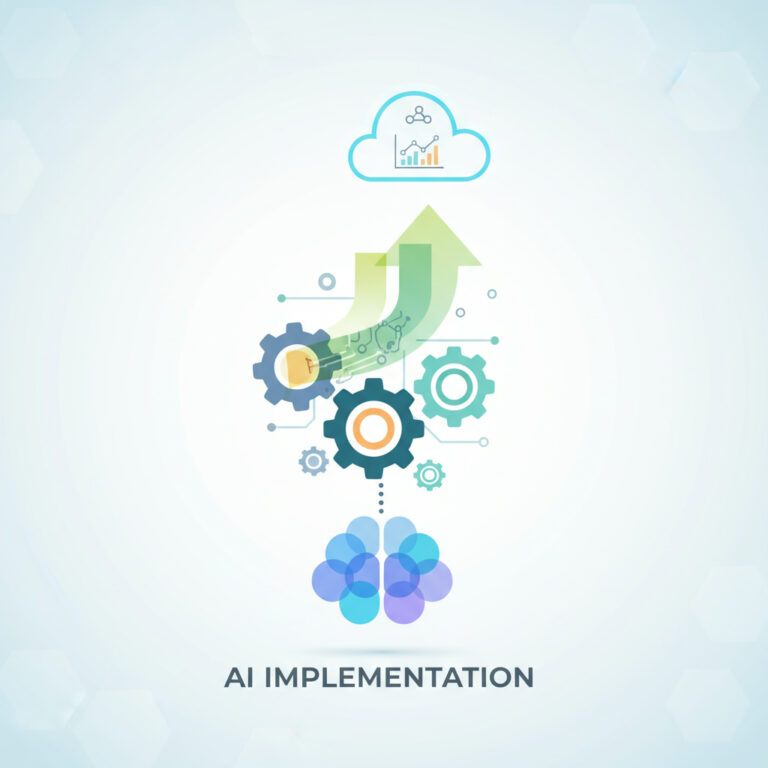

In today’s rapidly evolving digital landscape, the integration of AI (artificial intelligence) into business strategies is no longer optional; it’s essential. Companies are increasingly recognizing the potential of AI to transform data products, streamline operations, and create significant value. However, many organizations are still grappling with the complexities of implementing AI effectively. This blog post will explore how businesses can simplify their approach to data products through strategic planning and the right AI implementation methods. We will delve into common challenges, present practical solutions, and highlight the importance of a solid foundation in data management.
Understanding the Complexity of Data Products
The landscape of data products is often characterized by confusion and complexity. This is primarily due to the tendency of organizations to overcomplicate their AI initiatives. When embarking on data product development, many teams think big, aiming to create extensive data systems without first establishing a manageable framework.
Experts agree that successful AI implementation starts with a clear understanding of what a data product should achieve. Breaking down the process into smaller, more manageable components can lead to better outcomes. By focusing on incremental value and building trust over time, organizations can avoid the pitfalls of overengineering.
The Benefits of a Simplified Approach to AI
Adopting a simplified approach to AI and data products can yield numerous benefits:
– Enhanced Clarity: Defining the purpose and scope of each data product can prevent teams from getting lost in technical details.
– Improved Collaboration: A clear framework fosters better communication between technical teams and business stakeholders, ensuring that everyone is aligned on objectives.
– Faster Time to Value: By prioritizing essential features and functionalities, organizations can deliver value more quickly, which is crucial in today’s fast-paced market.
Implementing AI: The Role of Agile vs. Waterfall
In discussing the implementation of AI, two common methodologies emerge: Agile and Waterfall. While Agile promotes flexibility and rapid iteration, it can sometimes lead organizations to overlook essential planning stages.
The Waterfall Advantage
Conversely, a Waterfall approach, when executed in shorter phases, can provide a structured framework that ensures thorough planning and stakeholder engagement. This approach allows teams to focus on critical aspects such as:
– User Research: Understanding the needs of the end-users before developing the product.
– Documentation: Creating clear records of requirements and processes to guide future development.
– Stakeholder Engagement: Ensuring that the right people are involved at each stage of the project.
By adopting a Waterfall approach, organizations can implement AI with greater predictability, reducing the risk of project failure and enhancing overall success.

Key Considerations for Data Product Success
When determining how to effectively implement AI, organizations must consider several factors:
– User-Centric Design: What do users need from the data product? Are they looking for quick insights or detailed analytics?
– Data Governance: Establish a robust governance framework to manage data quality and compliance.
– Continuous Feedback: Regularly engage with stakeholders to refine data products based on their input and changing needs.
A focus on these key areas will not only streamline the AI implementation process but also lead to products that genuinely meet user needs.
Finding the Right AI Expertise
As businesses navigate the complexities of AI implementation, hiring the right AI experts becomes critical. Organizations should look for professionals who understand both the technical aspects of AI and the strategic vision behind data products. Collaborating with an AI agency can significantly enhance an organization’s ability to deploy effective solutions that drive value.
For those looking to enhance their AI capabilities, consider reaching out to a leading AI agency that can provide tailored solutions and expert guidance. Implement Artificial Intelligence offers services that can help your organization streamline its AI initiatives.

Conclusion: The Future of AI and Data Products
In conclusion, the implementation of AI in data products doesn’t have to be a daunting task. By simplifying the approach and focusing on foundational principles, organizations can create effective data solutions that deliver real value. Embracing a more structured methodology, such as a refined Waterfall approach, can ensure that projects remain on track and aligned with business goals. As the landscape of AI continues to evolve, prioritizing clarity, collaboration, and effective planning will be key to success.
Consider partnering with experts to navigate this journey effectively. For more insights on how to leverage AI for your business, visit Implement Artificial Intelligence.