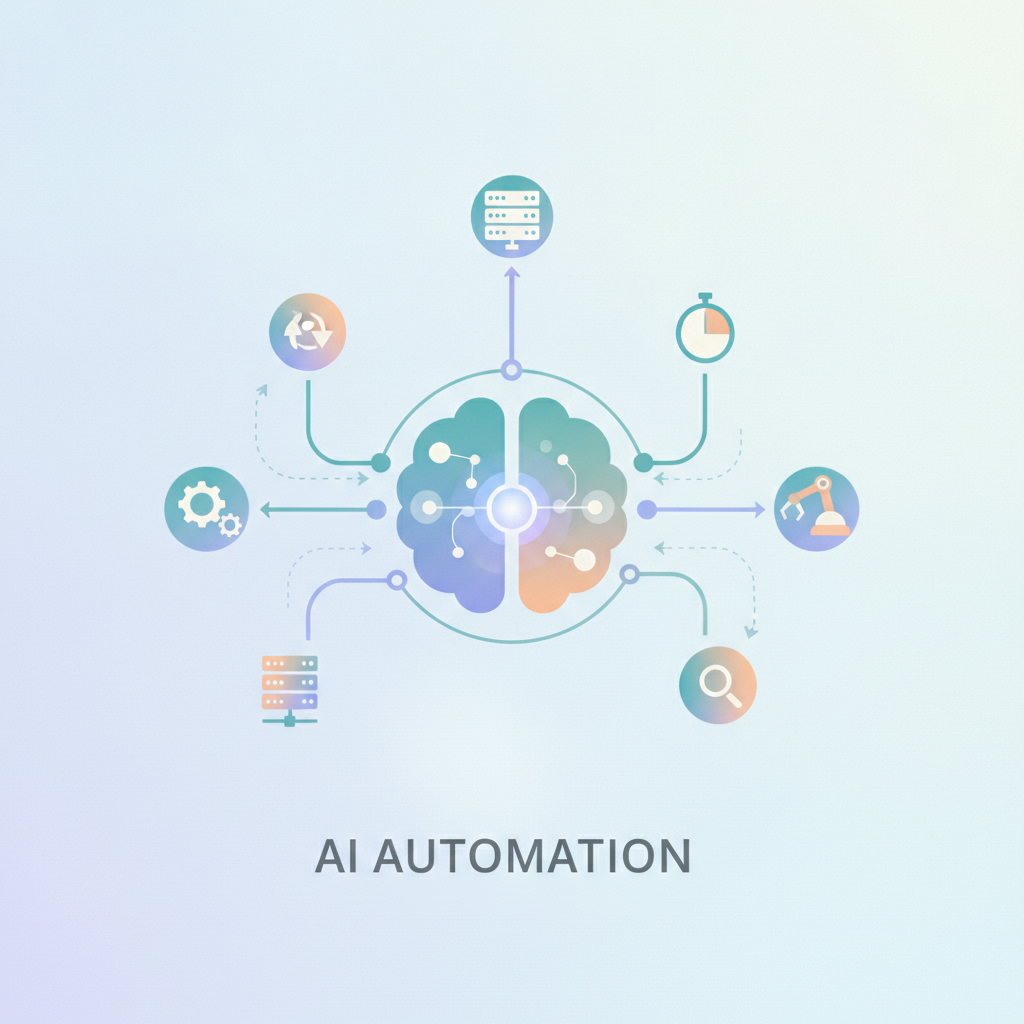
The landscape of AI and automation is evolving rapidly, and organizations must adapt to stay competitive. Traditional automation methods, while useful, often fall short due to their fragility and lack of adaptability. This is where ServiceNow’s Agentic AI comes into play, offering a transformative approach that outpaces conventional automation strategies. In this article, we will explore why traditional automation fails and how Agentic AI represents a paradigm shift that enterprises can leverage for operational excellence.
The Limitations of Traditional Automation in AI Workflows
Traditional automation has been a staple in IT and operational environments, yet many professionals have experienced its inherent shortcomings. There are three primary failure modes that organizations face:
1. Fragility: Any change in processes or systems can disrupt automation, requiring human intervention for resolution. This defeats the purpose of automation, which is designed to minimize manual effort.
2. High Maintenance: New edge cases demand continuous developer involvement to create new rules, causing backlogs and delays in automation requests.
3. Zero Adaptability: Traditional automation tools can only execute predefined tasks, missing out on unforeseen scenarios that fall outside their programming.
These limitations make traditional automation akin to a horse-drawn carriage: functional but constrained. In contrast, Agentic AI resembles a self-driving car, capable of navigating complexities and adapting to changes in real-time.
Understanding Agentic AI: A New Paradigm in Automation
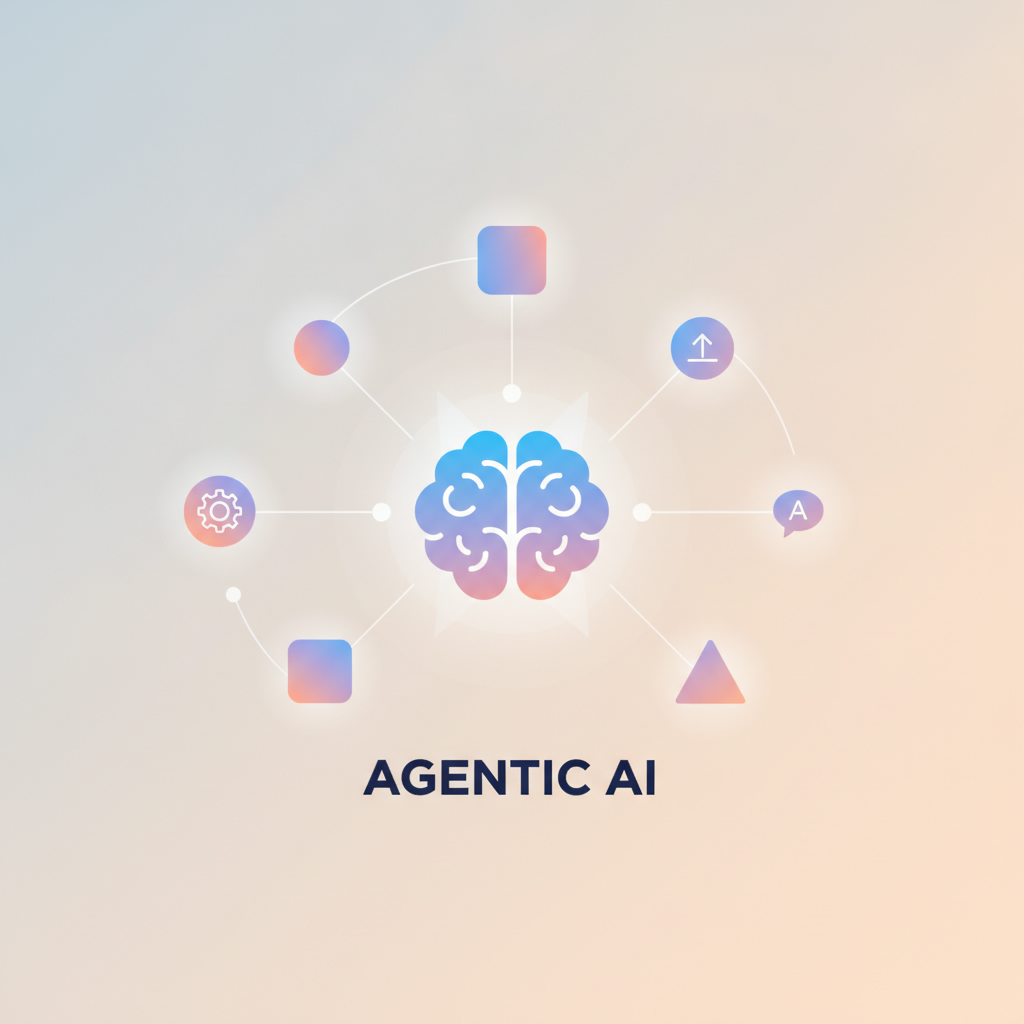
Agentic AI is not merely an upgrade to existing automation tools; it introduces a fundamentally different approach. The core components of Agentic AI include:
1. Perception: It comprehensively analyzes context, historical data, and various inputs to understand its environment.
2. Reasoning: Unlike traditional systems that rely on predefined rules, Agentic AI genuinely reasons through situations to determine the best course of action.
3. Action: Utilizing available tools—like ServiceNow’s Flow Designer and integration hub—Agentic AI takes steps toward achieving its goals.
4. Adaptability: If an obstacle arises, it adjusts its approach rather than halting progress.
To illustrate this, think of traditional automation as a strict recipe, where deviations can lead to failure. In contrast, Agentic AI is like a skilled chef who adapts recipes based on available ingredients and dietary requirements. This adaptability allows organizations to respond more effectively to unexpected challenges.
Why ServiceNow is the Go-To Platform for Agentic AI
The question arises: why is ServiceNow uniquely positioned for implementing Agentic AI? Here are three compelling reasons:
1. Data Richness: ServiceNow operates atop a comprehensive Configuration Management Database (CMDB), serving as the single source of truth for infrastructure, services, users, tickets, and SLAs. This rich context enables Agentic AI to make informed decisions, enhancing its effectiveness.
2. Workflow Orchestration: With built-in connectors, approval chains, and escalation paths, ServiceNow provides a robust framework for AI agents to operate efficiently without reinventing the wheel.
3. Governance and Guardrails: Enterprises demand AI that operates within established policies. ServiceNow’s governance features, including role-based access controls and audit trails, ensure that AI actions are both powerful and responsible.
This combination of rich data, seamless orchestration, and robust governance creates an ideal environment for scaling Agentic AI within enterprises.
Real-World Application: Agentic AI vs. Traditional Automation
Consider a critical incident occurring at 2 AM—an essential service has gone down. With traditional automation, systems might create a bridge call and notify the on-call personnel, but if the incident doesn’t fit known patterns, human intervention is often required. This can lead to delays and uncertainties.
In contrast, Agentic AI on ServiceNow would:
– Check the CMDB to identify affected components and their criticality.
– Analyze historical incidents to synthesize a contextual summary.
– Monitor ongoing developments and adjust its response dynamically.
– Execute remediation steps autonomously, documenting actions taken.
This level of context-awareness and proactive engagement represents a significant leap forward in incident management, demonstrating why adopting Agentic AI is crucial for forward-thinking organizations.
Embracing the Future of AI in Your Organization
As organizations navigate the complexities of modern business, embracing advanced AI solutions becomes essential. Here are key takeaways to consider:
– Shift your mindset: Instead of focusing on what rules to write, ask what goals you wish to achieve with AI.
– Understand the value of infrastructure: ServiceNow’s robust architecture is critical for leveraging AI capabilities effectively.
– Prioritize governance: Implementing AI responsibly requires robust governance structures to maintain oversight and control.
To explore how to effectively implement AI in your organization, consider reaching out to an AI agency specializing in tailored solutions. Visit Implement Artificial Intelligence for more insights.
In conclusion, Agentic AI represents a transformative shift in automation that organizations must embrace to remain competitive. By leveraging ServiceNow’s capabilities, businesses can navigate complexities and drive operational excellence like never before. Start exploring how you can implement artificial intelligence effectively today.