
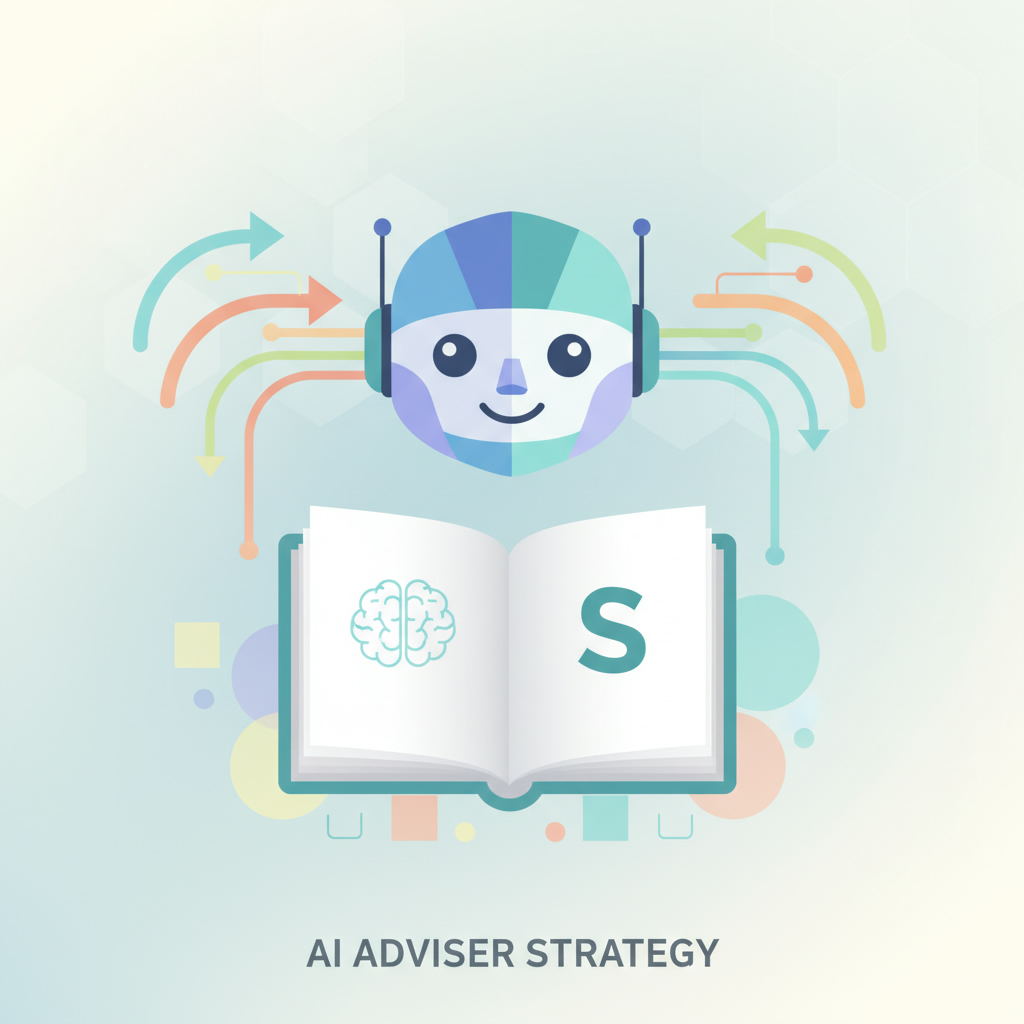
Artificial intelligence (AI) has transformed how businesses operate, providing powerful tools that can enhance efficiency and reduce costs. One innovative approach is the adviser strategy, which allows companies to leverage advanced AI models effectively while saving on expenses. In this guide, we’ll explore how to implement AI efficiently in your workflows using the adviser strategy to maximize intelligence at a reduced cost.
Understanding the Adviser Strategy in AI
The adviser strategy offers an effective way to pair high-capacity models like Opus with more affordable options such as Sonnet or Haiku. This method enables businesses to utilize the intelligence of a premium model when necessary while relying on cost-effective models for less complex tasks. The result? Enhanced performance at a fraction of the cost.
How Does the Adviser Strategy Work?
The core principle behind the adviser strategy is that not every task requires the most advanced AI capabilities. For example, if a task involves multiple steps, and only one step requires high-level reasoning, it would be inefficient to use a premium model for the entire process. Instead, the adviser strategy dynamically directs tasks to the appropriate model.
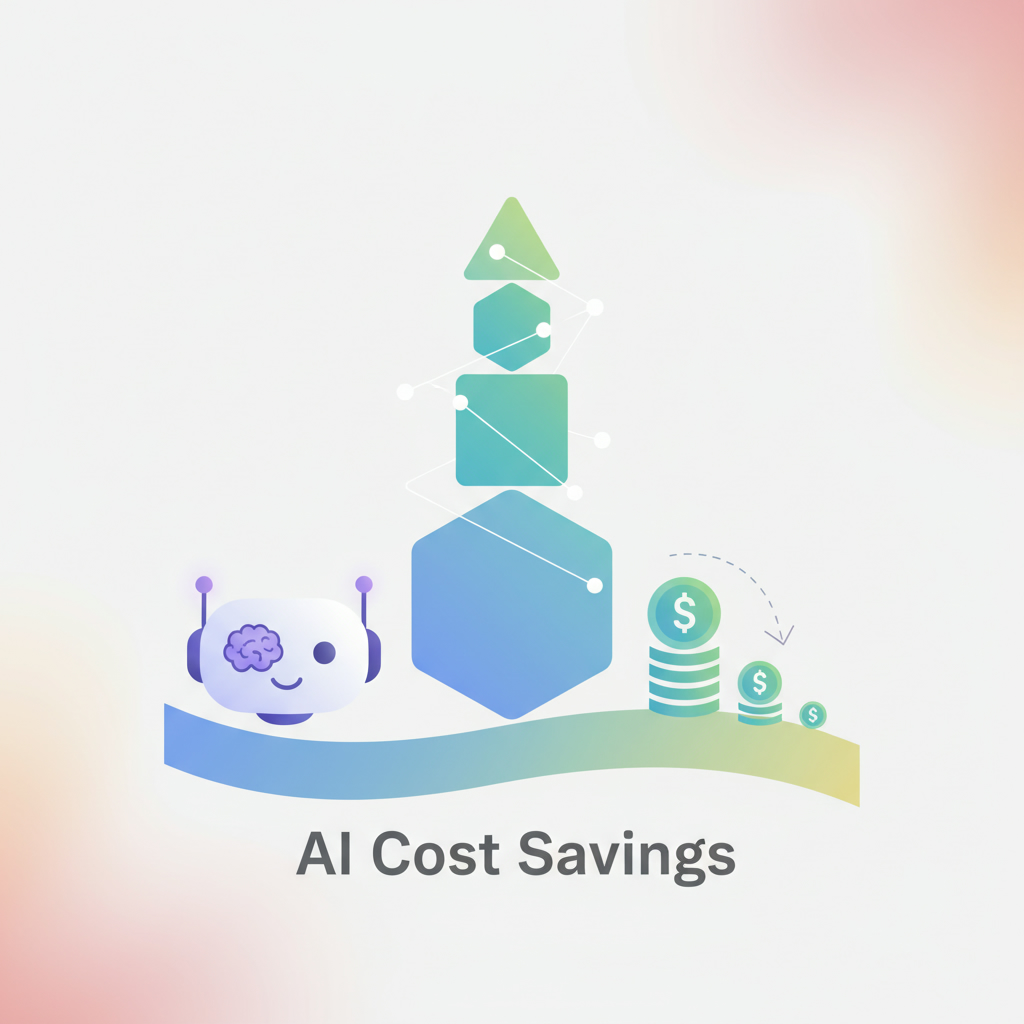
– Cost Efficiency: By using the adviser strategy, companies can significantly reduce the cost of AI processes. For instance, integrating Sonnet with Opus as an adviser has shown to increase performance metrics while also reducing costs by nearly 12%.
– Performance Metrics: Studies indicate that Sonnet, when using Opus as an adviser, scored 2.7 percentage points higher on standard evaluations compared to using Sonnet alone. This improvement demonstrates that smart model selection can lead to better outputs without escalating costs.
Benefits of Implementing AI with the Adviser Strategy
Implementing AI through the adviser strategy provides numerous advantages for businesses looking to optimize their operations. Here are some key benefits:
1. Scalability: Businesses can scale their AI capabilities without incurring prohibitive costs. The adviser strategy allows for a tailored approach, adjusting to the complexity of tasks.
2. Enhanced Decision-Making: By utilizing the adviser strategy, companies can ensure they are making informed decisions based on the best available data and insights. This leads to more effective outcomes in various business applications, from customer service to product development.
3. Resource Optimization: Companies can allocate resources more efficiently by reserving high-capacity models for complex tasks while handling simpler requests with less expensive models. This balance not only saves money but also improves overall productivity.
How to Implement the Adviser Strategy in Your Workflow
Implementing the adviser strategy in your AI workflows involves a few key steps:
– Identify Task Complexity: Assess the complexity of tasks within your workflow to determine which models are necessary for optimal performance.
– Select Appropriate Models: Choose models that align with the task complexity. For simpler tasks, consider using models like Haiku or Sonnet, while reserving Opus for more demanding challenges.
– Leverage API Capabilities: Use the Messages API to exploit the adviser strategy fully. This allows for efficient communication between models and ensures that you are utilizing the right model for each task.
– Test and Optimize: Continuously monitor performance and costs. Testing different combinations will help refine your approach, ensuring that you consistently achieve the best outcomes.
Conclusion: Harnessing AI for Better Business Outcomes
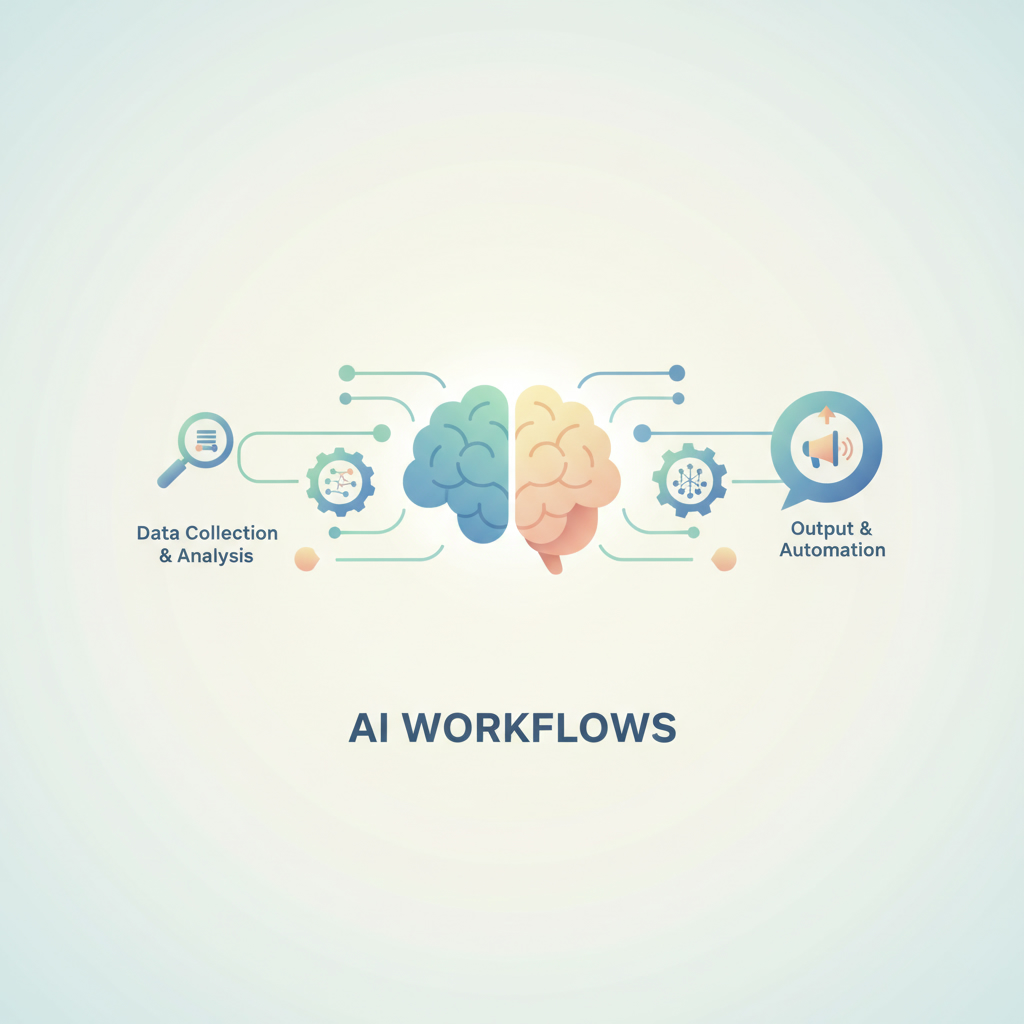
By implementing AI through the adviser strategy, businesses can save money while maintaining high-quality outputs. This approach not only enhances efficiency but also fosters smarter decision-making across various operations. If you’re looking to optimize your AI services and workflows, consider leveraging the adviser strategy to achieve significant cost savings without sacrificing performance. For more insights and support on how to implement artificial intelligence effectively in your business, visit Implement Artificial Intelligence.
Embracing this strategy not only sets your business up for success in the competitive landscape but also positions you as a forward-thinking leader in the realm of AI.