In today’s fast-paced digital landscape, AI and artificial intelligence have become essential for businesses aiming to optimize their operations. Migrating from traditional resource management to AI-driven resource assignments is a critical step for organizations looking to enhance efficiency and flexibility. This guide will explore the migration process, key considerations, and strategies to ensure a smooth transition to AI resource management.
Understanding AI Resource Management
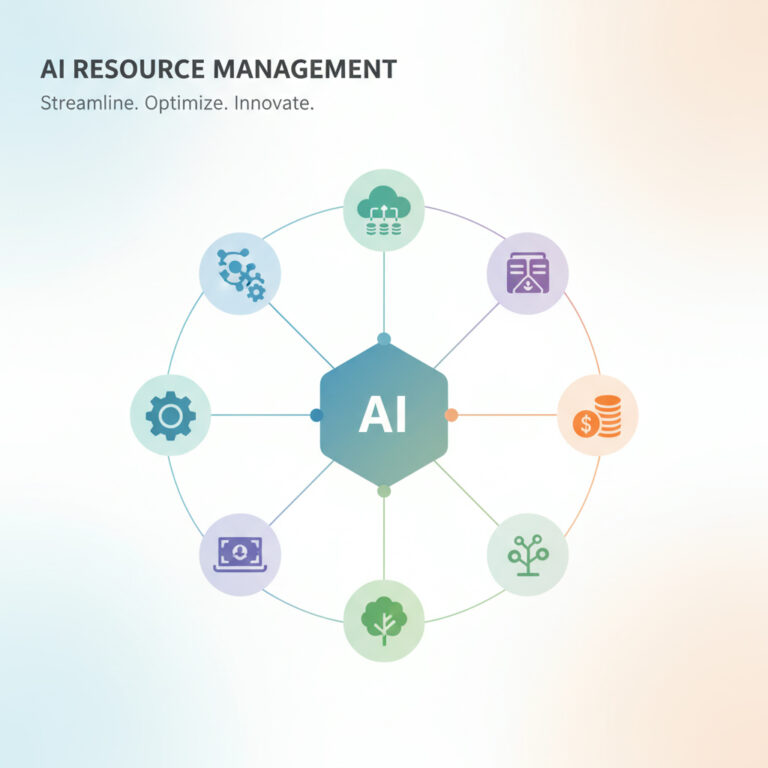
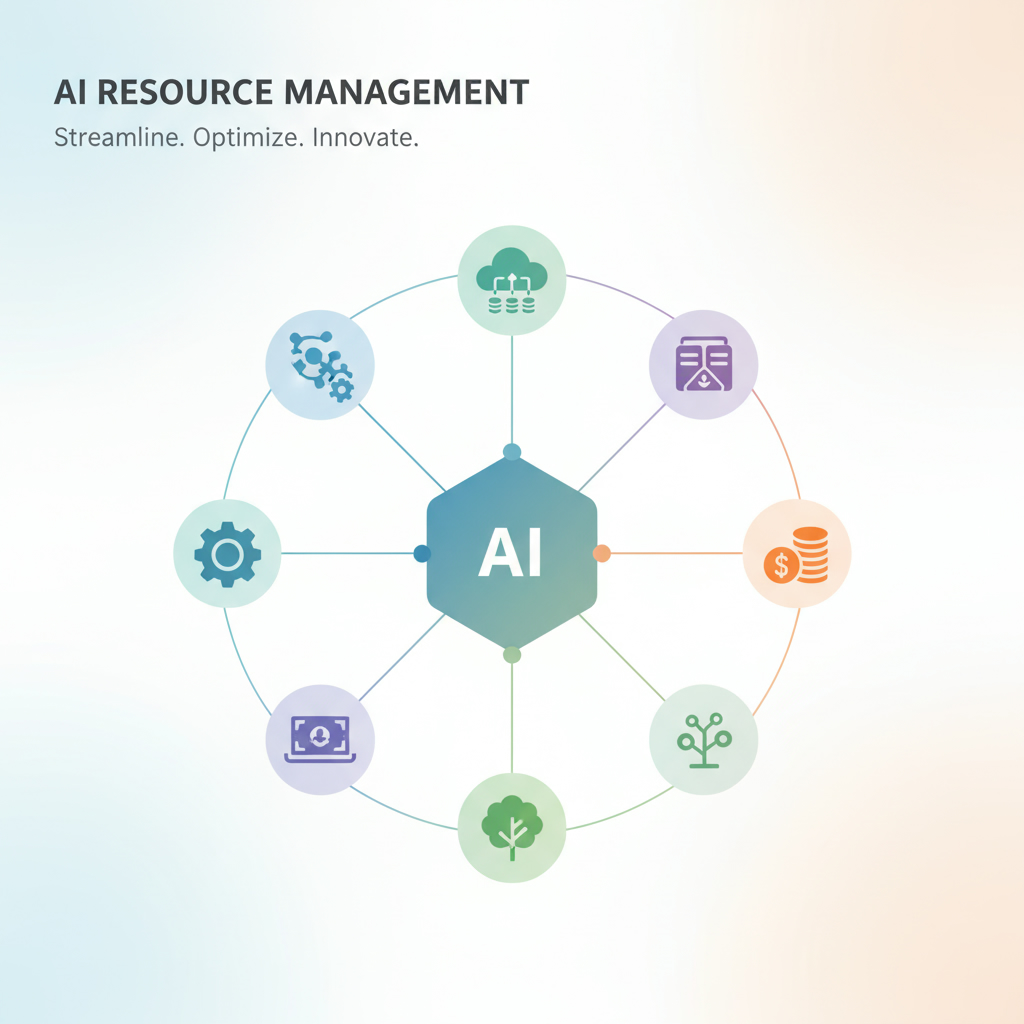
AI resource management is a strategic approach that leverages artificial intelligence to optimize the allocation and management of resources across projects and teams. The shift from traditional resource plans to AI-enabled resource assignments allows businesses to harness the power of data-driven decision-making.
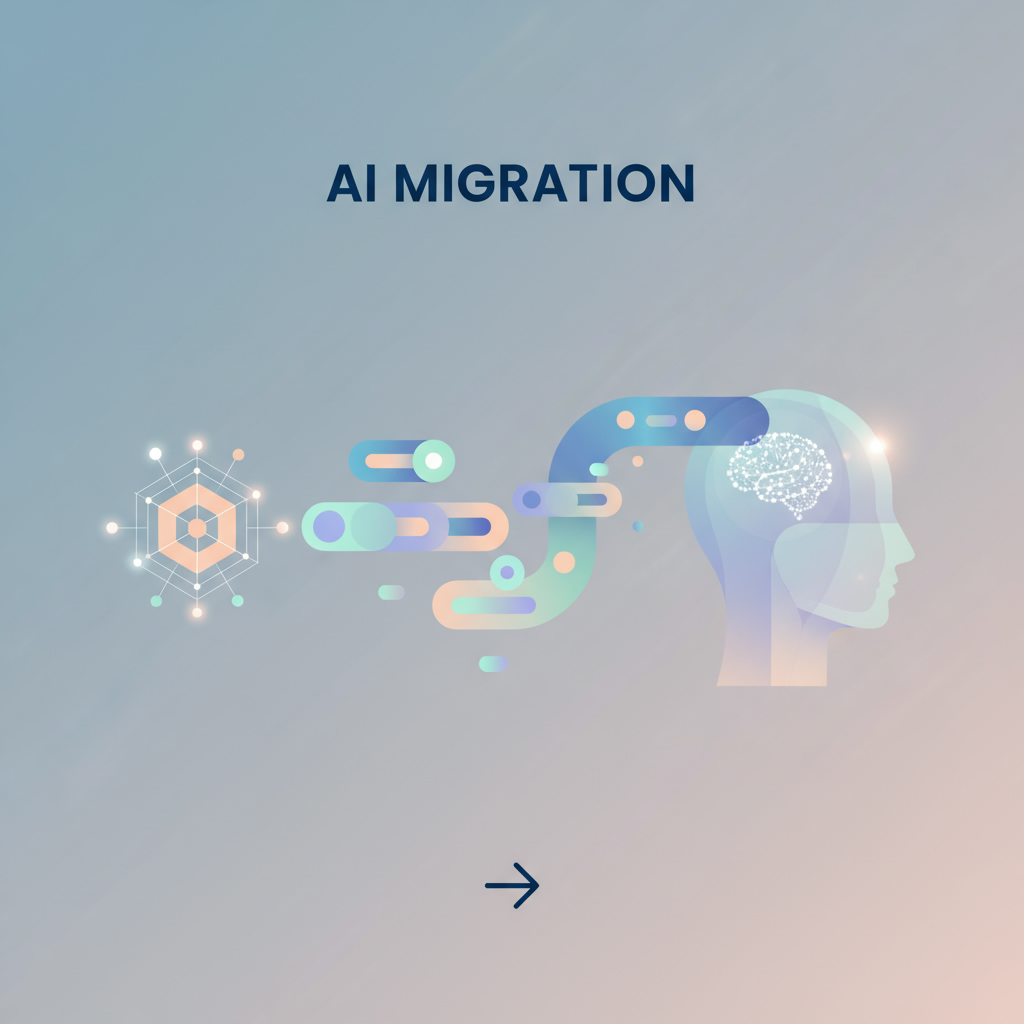
Benefits of Migrating to AI Resource Assignments
Migrating to AI resource assignments offers numerous benefits:
– Enhanced Flexibility: AI-based planning is more adaptable to various use cases, allowing for dynamic adjustments as project needs evolve.
– Improved Integration: AI resource assignments seamlessly integrate with financial and project management tools, providing a holistic view of resource utilization.
– Data-Driven Insights: By utilizing AI workflows, organizations can gain valuable insights into resource allocation, enabling better strategic planning.
Preparing for Migration to AI Resource Assignments
Before embarking on the migration journey, it is essential to prepare adequately. Here are key steps to consider:
1. Communication: Ensure that all stakeholders understand the changes and new processes involved.
2. Training: Provide comprehensive training to users on the new AI-driven resource assignment functionalities.
3. Data Assessment: Analyze the existing data landscape to identify any potential challenges during migration.
Developing an Effective Migration Strategy
The migration strategy should be tailored to your organization’s unique needs. Here are some effective approaches:
1. Full Migration
For organizations with limited active resource plans and minimal customization, a full migration may be appropriate. This approach simplifies governance and accelerates the transition to AI resource assignments.
2. Phased Migration
Larger enterprises with numerous active projects may benefit from a phased migration. This strategy involves migrating resources in stages, such as by business unit or department, to minimize disruption.
3. Pilot and Scale
Implementing a pilot project allows teams to test the new system before full-scale implementation. This approach facilitates training and adjustment to the new processes.
Measuring Success During Migration
To ensure a successful migration, organizations should establish metrics to track progress. Key performance indicators (KPIs) may include:
– Downtime during the migration process
– User Adoption Rates post-migration
– Resource Utilization Rates before and after migration
Leveraging AI for Enhanced Resource Management
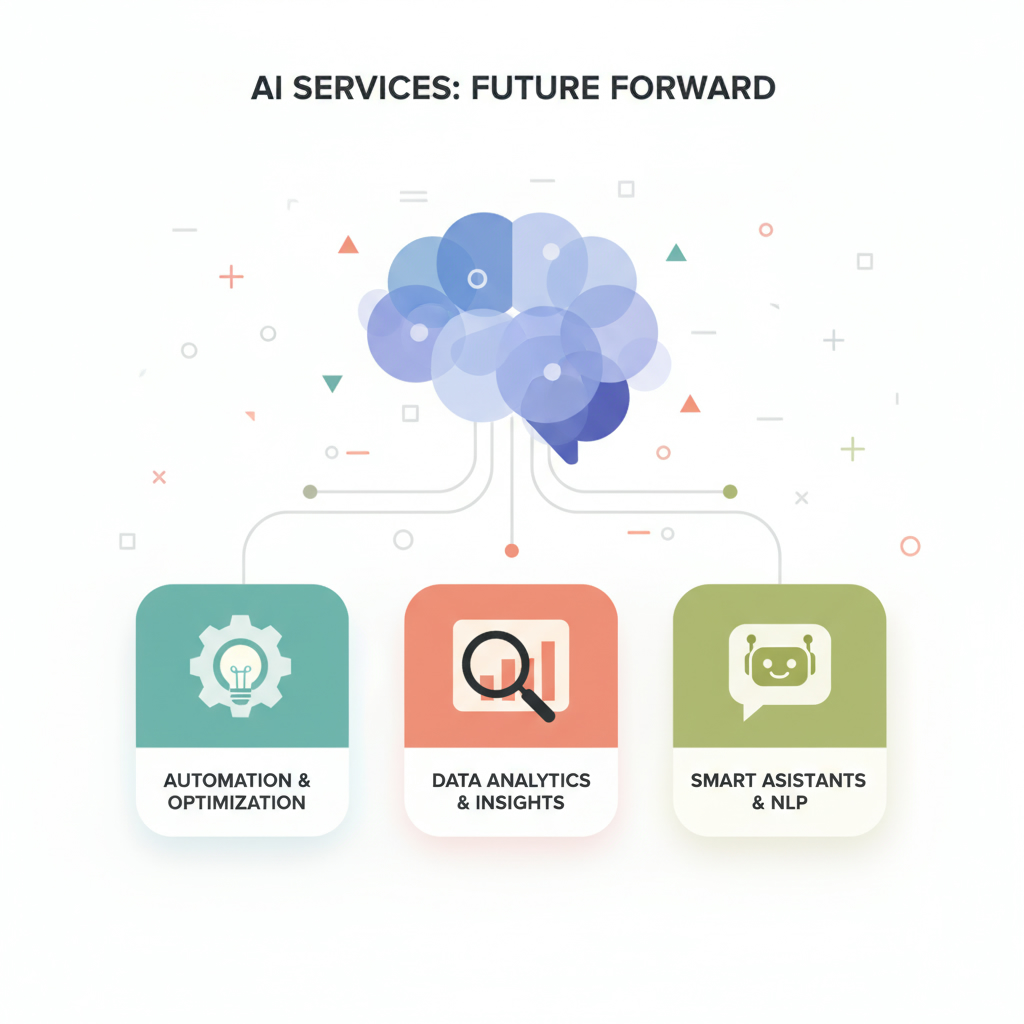
Once the migration is complete, organizations can fully leverage AI services for ongoing resource management. AI empowers teams to:
– Automate resource allocation tasks
– Analyze performance data for continuous improvement
– Optimize workflows based on real-time insights
Conclusion
The transition to AI resource management represents a significant opportunity for organizations to enhance their operational efficiency. By understanding the migration process, preparing adequately, and implementing effective strategies, businesses can successfully navigate this transition. If you’re looking to hire an AI expert or partner with an AI agency, consider exploring Implement Artificial Intelligence for expert guidance and support. Embrace the future of resource management with AI and unlock new potentials for success.