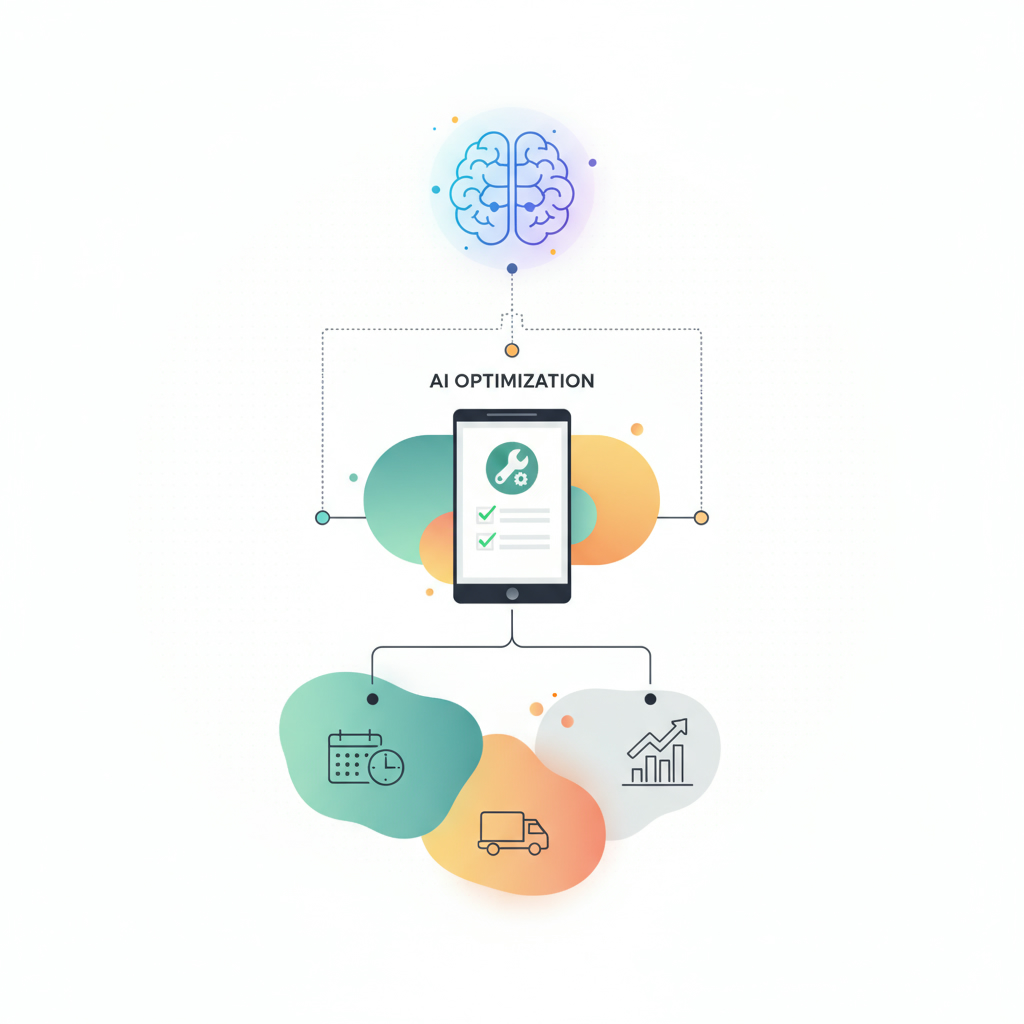
The integration of AI into field service management is revolutionizing the way organizations handle work orders. Artificial intelligence empowers technicians by simplifying the work order creation process, making it as easy as sending a text. This reduces delays and improves operational efficiency. As businesses seek to implement AI solutions, understanding how these technologies enhance productivity becomes crucial.
The Role of AI in Creating Work Orders
With the advent of AI agents, technicians can now report their observations in natural language. By simply typing what they see, a fully structured work order is generated automatically. This innovative approach eliminates bottlenecks and captures newly discovered tasks instantly, ensuring that no important details are overlooked. AI workflows streamline the process, allowing technicians to focus on their core responsibilities rather than administrative tasks.
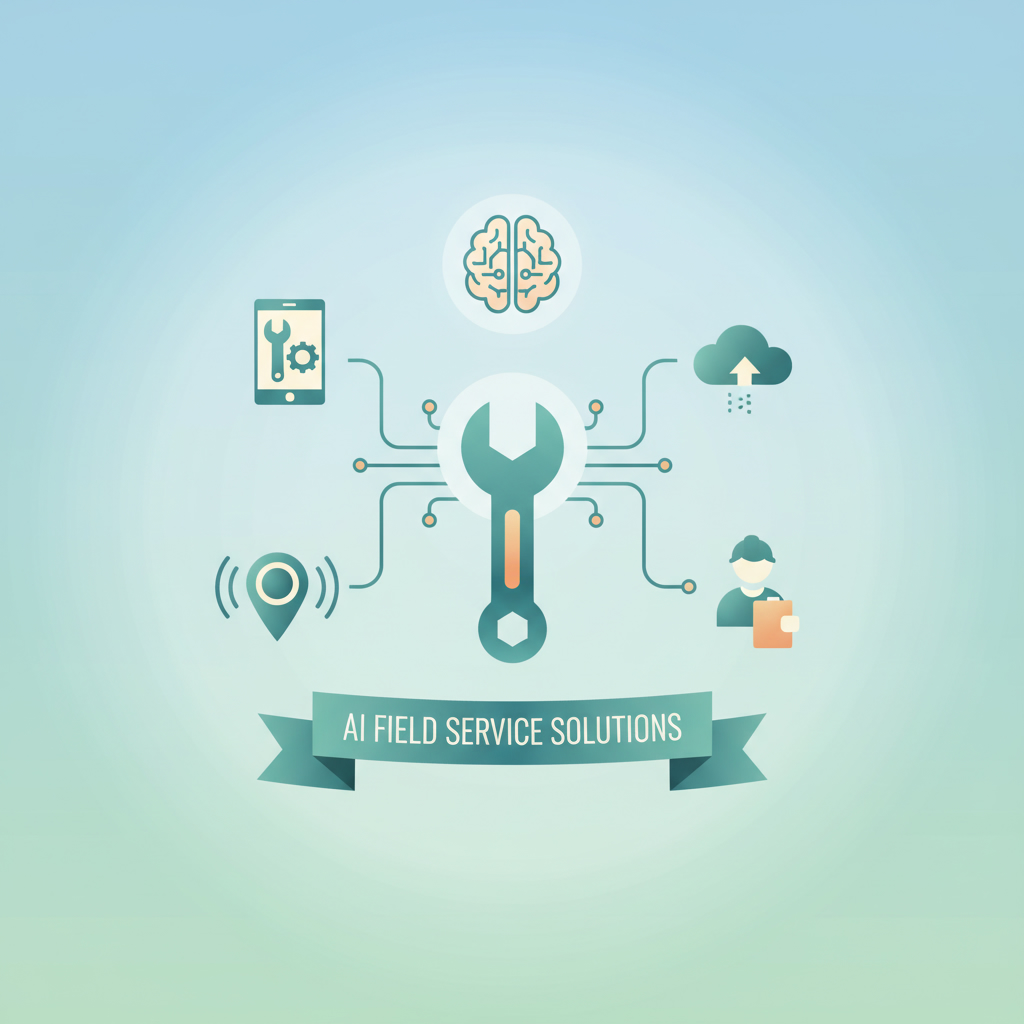
Enhancing Documentation with AI Services
One of the significant challenges faced by technicians is the time-consuming nature of documenting completed jobs. Writing summaries can be tedious, especially after a long shift. AI services can significantly alleviate this burden by automatically generating clear, consistent summaries based on the technician’s responses.
For example, when a technician completes a smart assessment for a scheduled HVAC router repair and identifies additional issues, they can simply describe these in natural language. The AI agent processes this input, extracting key details and generating a new work order that is separate yet actionable. This capability exemplifies how AI bots can enhance the efficiency and accuracy of field service operations.
Real-Time Updates and Improved Communication
The communication gap between field agents and dispatchers can hinder productivity. Implementing artificial intelligence solutions can bridge this gap by providing real-time updates on work orders. Dispatchers can view both completed work and newly generated tasks seamlessly, allowing for better scheduling and follow-up.
For instance, when a field agent identifies an issue and uploads a photo for context, this visual evidence travels with the work order, ensuring clarity and accountability. This proactive approach to documentation keeps workflows clean and reduces communication lag.

Benefits of Using AI in Field Service Management
– Increased Efficiency: AI reduces the time technicians spend on documentation, allowing them to focus more on their technical work.
– Enhanced Accuracy: Automated work order generation minimizes human error, leading to better quality data.
– Improved Customer Satisfaction: With quicker response times and clear communication, customer satisfaction can significantly improve.
– Scalability: AI solutions can easily adapt to growing business needs, making it easier to manage larger teams and more complex service requests.
As organizations look to hire AI experts and integrate these advanced systems, understanding the benefits becomes critical. Research indicates that companies leveraging AI in their operations see improved performance and greater adaptability in a competitive market.
The Future of Field Service Management with AI
The potential for AI in field service management is vast. As technology continues to evolve, businesses that hire AI agencies or invest in AI services will be better positioned to harness these advancements. The future of work order management lies in utilizing AI to create efficient, data-driven processes that enhance overall productivity.
To stay ahead in the competitive landscape, companies should explore how AI can transform their operations. For more insights on implementing AI effectively, consider reaching out to an AI agency.
Ready to revolutionize your field service management with AI? Contact us today to explore how we can help you implement artificial intelligence in your organization! Contact us here.
In conclusion, the integration of AI into work order management is not just a trend but a necessity for modern businesses. By embracing artificial intelligence, organizations can enhance efficiency, improve communication, and ultimately deliver better service to their customers. The implementation of AI is a significant step towards future-proofing your operations and ensuring long-term success.