In today’s rapidly evolving workplace, organizations are increasingly prioritizing AI to enhance the employee experience. One innovative solution is the migration to Employee Slate, a cutting-edge platform designed to leverage artificial intelligence for a more personalized and efficient user interface. This blog explores the advantages of migrating to Employee Slate, including its AI-driven capabilities and how it compares to previous systems like Employee Center Pro.
Understanding Employee Slate and Its Benefits
Employee Slate is a next-generation platform that integrates AI workflows into the employee experience. Unlike traditional systems that only added an AI layer on top of existing frameworks, Employee Slate is built from the ground up with artificial intelligence at its core. This approach provides a seamless, conversation-first experience that enables employees to easily find information using natural language queries. For example, instead of navigating through multiple clicks in a taxonomy as required by Employee Center Pro, users can simply type their questions, such as asking about tuition reimbursement policies, and receive immediate, contextual responses.
Why Migrate to Employee Slate?
Migrating to Employee Slate offers several key advantages:
– AI-Driven Personalization: Tailored experiences based on user roles, ensuring that employees receive relevant information quickly.
– Unified Task Management: Combines task approvals and requests into a single view, making it easier for users to manage their responsibilities.
– Enhanced Search Capabilities: Integrates with over 50 enterprise applications, allowing employees to access information from various sources without leaving the platform.
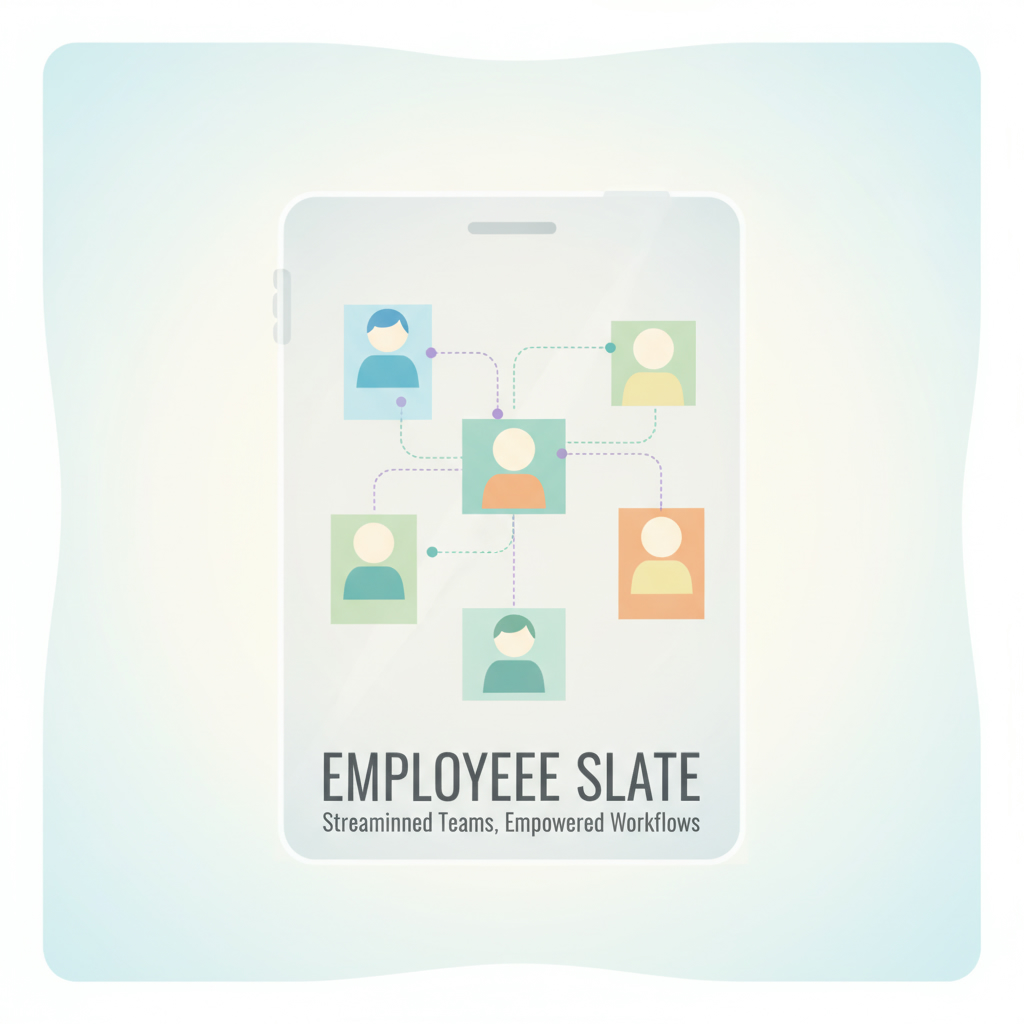
How Employee Slate Enhances Employee Engagement
Research shows that a seamless user experience significantly boosts employee satisfaction and productivity. Employee Slate’s features include:
– Natural Language Processing: Employees can interact with the platform using conversational language, which enhances engagement and reduces the learning curve.
– Centralized Information Access: With AI bots facilitating information retrieval, employees spend less time searching for answers and more time on meaningful work.
– Dynamic Workspaces: Users can personalize their interface based on their specific needs, ensuring that the most relevant information is always at their fingertips.
Implementing AI in Employee Experience
Implementing AI into the employee experience is not just about technology; it’s about transforming workplace culture. Here are some steps organizations should take when considering a migration to Employee Slate:
1. Evaluate Current Systems: Assess how existing processes align with Employee Slate’s capabilities.
2. Plan for Change Management: Prepare employees for a new experience by communicating benefits and providing training.
3. Test and Iterate: Start with a pilot program to gather feedback and make necessary adjustments before a full rollout.
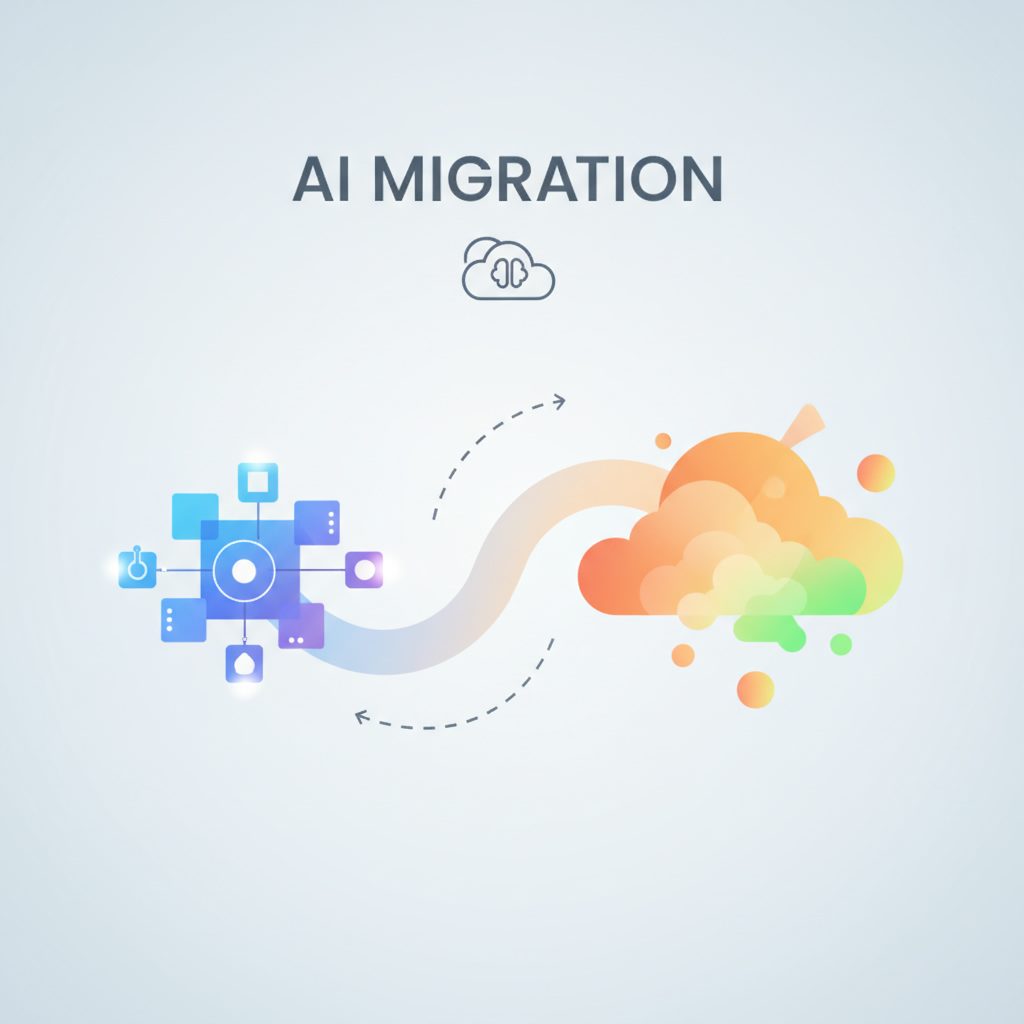
The Role of AI Agencies in Your Migration
For organizations looking to successfully implement artificial intelligence, partnering with an AI agency can provide the expertise needed to navigate the complexities of migration. These agencies specialize in tailoring solutions to fit specific business needs, ensuring a smooth transition to AI-enhanced platforms like Employee Slate. By leveraging their expertise, organizations can maximize the benefits of their new systems and facilitate a more effective integration process.
Conclusion: The Future of Employee Experience with AI
Migrating to Employee Slate represents a significant advancement in enhancing the employee experience through AI. The platform’s focus on personalization, task consolidation, and seamless information access helps organizations create a more engaged and productive workforce. As businesses continue to embrace artificial intelligence, investing in solutions like Employee Slate will be crucial to staying competitive.
To learn more about how to implement AI effectively in your organization, visit Implement Artificial Intelligence or contact us directly to discuss tailored solutions for your needs.