
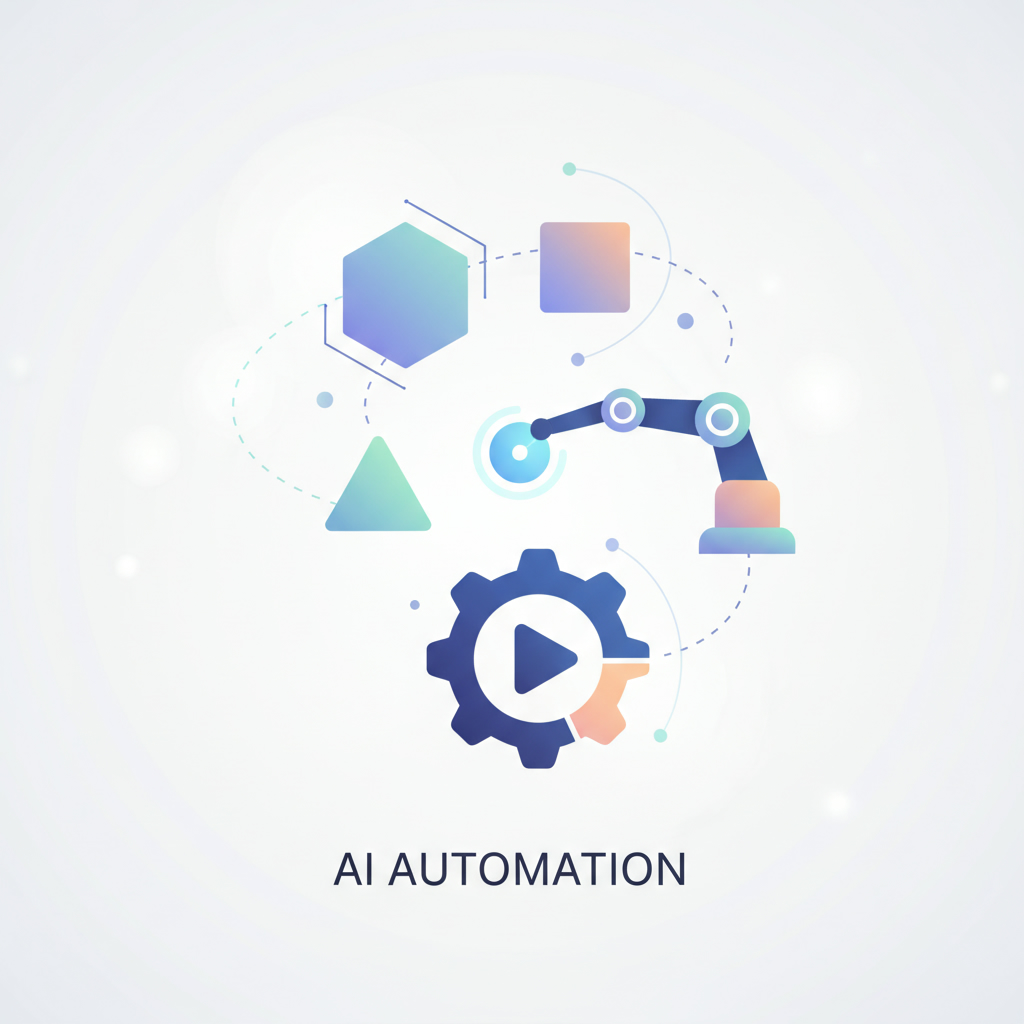
In today’s fast-paced business environment, the integration of AI into daily operations is no longer a luxury but a necessity. Modern companies are increasingly looking to implement artificial intelligence to streamline processes and enhance productivity. One of the most effective methods to achieve this is through Robotic Process Automation (RPA), a technology that leverages AI to automate repetitive tasks, making workflows more efficient. This blog will explore how RPA can revolutionize your business by automating mundane tasks, thus allowing employees to focus on more strategic initiatives.
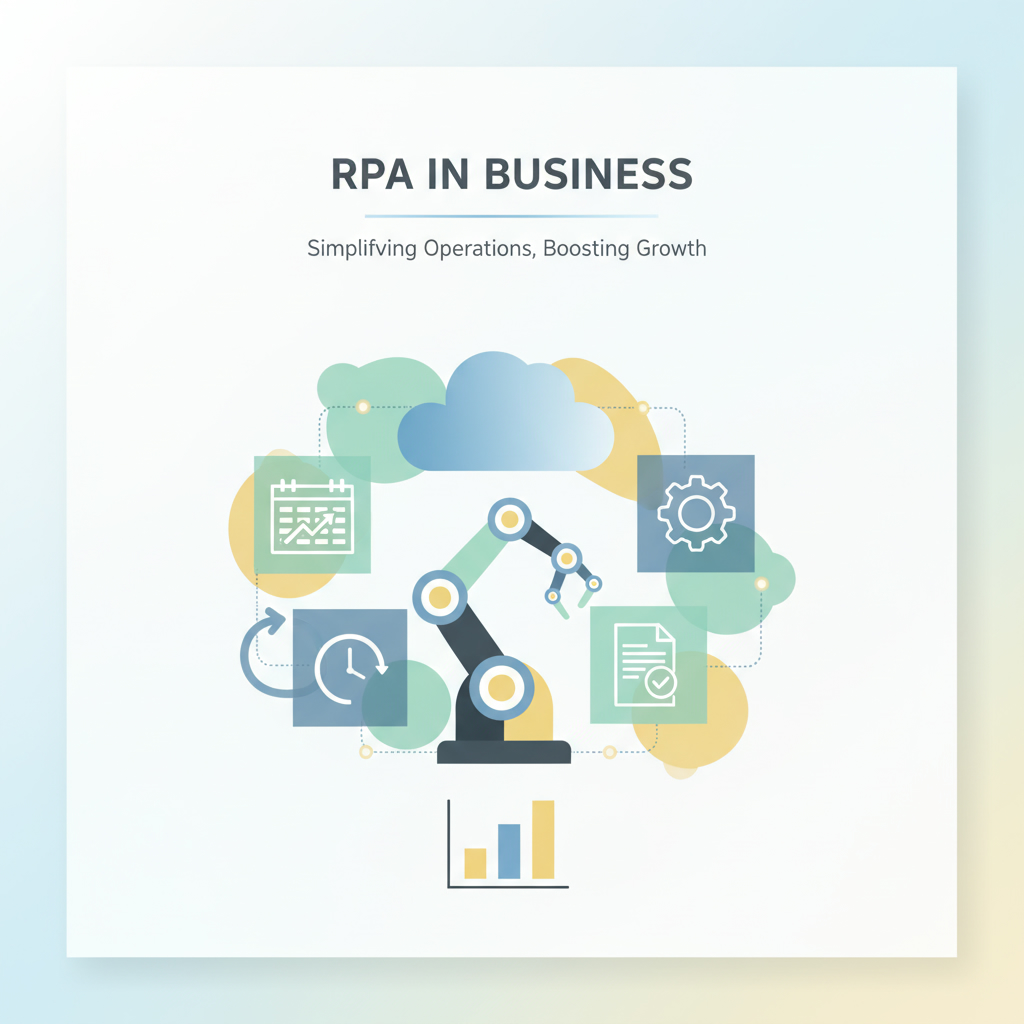
Understanding Robotic Process Automation (RPA)
Robotic Process Automation employs AI to create software bots that mimic human actions on a computer. These AI bots can log into applications, extract data, and perform tasks across various systems without human intervention. There are two types of RPA bots: unattended bots that operate independently and attended bots that assist humans in their workflows. This versatility makes RPA applicable in numerous industries, from finance to healthcare.
The Impact of AI on Workflows
Integrating AI into workflows can significantly enhance efficiency. A prime example is Sarah, who works in a billing department. Her daily routine involves tedious tasks like logging into payment portals, updating accounts, and sending receipts. When RPA is implemented, much of her workload can be automated, allowing her to focus on resolving complex issues. This not only boosts productivity but also improves employee satisfaction, as repetitive tasks are handled by AI.
Why Implement AI in Your Business?
1. Increased Efficiency: RPA can handle repetitive tasks around the clock, increasing output without the need for breaks or downtime.
2. Cost Savings: By automating tasks, businesses can reduce labor costs and minimize the risk of human error, leading to fewer mistakes and operational delays.
3. Improved Accuracy: RPA robots perform tasks with high precision, which enhances data integrity and reduces the need for corrections.
Real-World Use Cases of RPA
The application of RPA spans various sectors. In telecommunications, RPA can automate customer data collection; in finance, it can streamline claims processing. For instance, in a banking scenario, RPA can track vendor certificates and synchronize them with legacy systems, ensuring compliance and efficiency. The versatility of RPA allows organizations to tailor solutions specific to their needs, showcasing its potential in transforming operations.
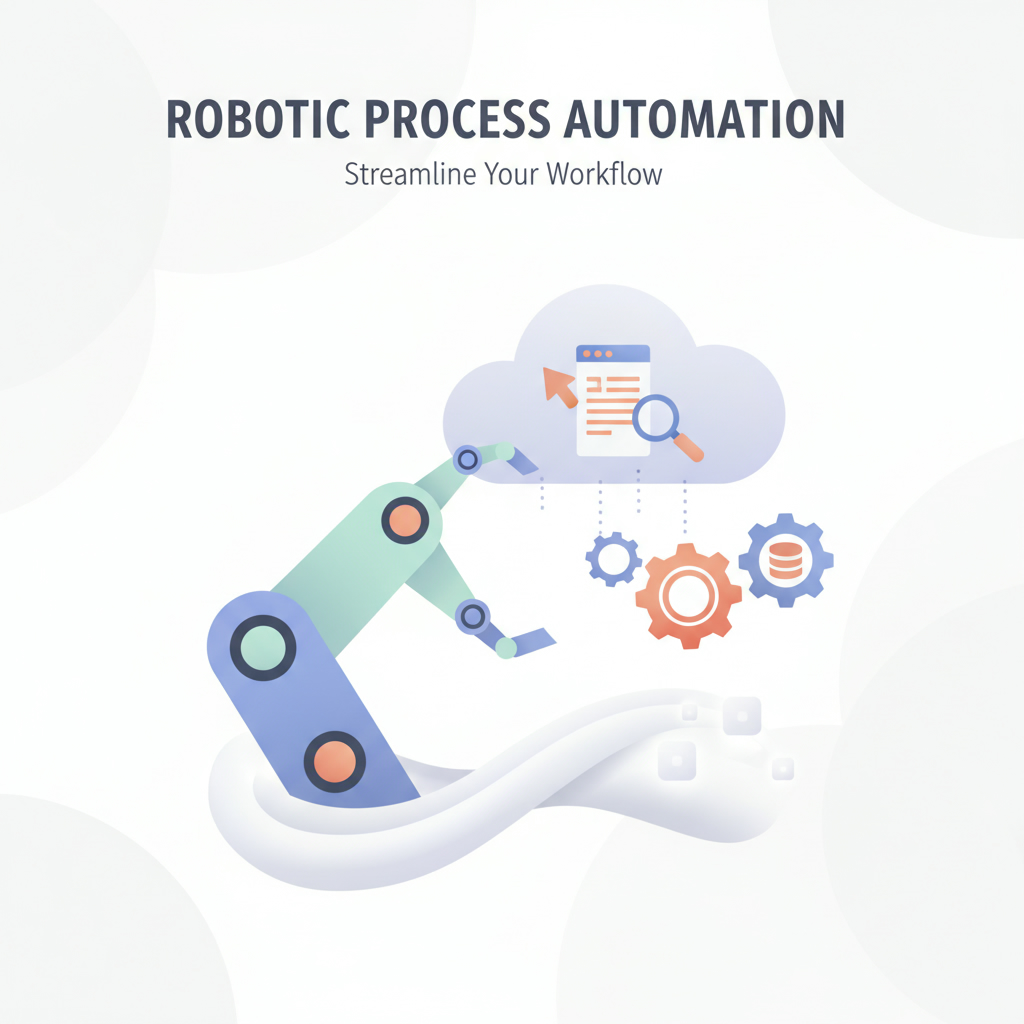
The Architecture of RPA
Understanding the architecture behind RPA is crucial for successful implementation. The main components include:
– RPA Desktop Design Studio: Where developers build and test automations.
– RPA Hub: The control center for managing all automations and bots.
– Unattended and Attended Robots: Each serving unique functions within the automation ecosystem.
This structured environment allows businesses to manage their digital workforce effectively, ensuring seamless integration of AI workflows into existing systems.
Enhancing Security with RPA
Security is a top concern when implementing AI solutions. RPA systems use advanced credential management techniques to safeguard sensitive information while allowing bots to perform their tasks. This includes:
– Service Accounts: Special accounts with limited permissions for bots to access needed applications.
– Credential Vaults: Storing sensitive data securely to prevent unauthorized access.
– Multi-Factor Authentication (MFA): Adding an additional layer of security to protect data.
Implementing these security measures ensures that your AI bots operate securely within your organizational framework.
Why You Should Hire an AI Agency
Navigating the complexities of AI and automation can be challenging. Hiring an AI agency offers the expertise needed to tailor and implement AI solutions effectively. These experts understand industry-specific challenges and can provide customized strategies to meet your unique needs. By collaborating with an AI agency, businesses can accelerate their RPA implementation and maximize the benefits of automation.
Taking the Next Steps
If you’re interested in exploring how AI can transform your business processes, consider partnering with an AI agency. With the right support, you can optimize your workflows and improve operational efficiency.
For more information on implementing AI and RPA in your organization, visit Implement Artificial Intelligence.
In conclusion, embracing AI and RPA can significantly enhance productivity and efficiency in the workplace. By automating repetitive tasks, businesses can empower their employees to focus on higher-value work, ultimately leading to greater job satisfaction and improved outcomes. Don’t miss the opportunity to innovate—implement artificial intelligence today and transform your workflows for the better.