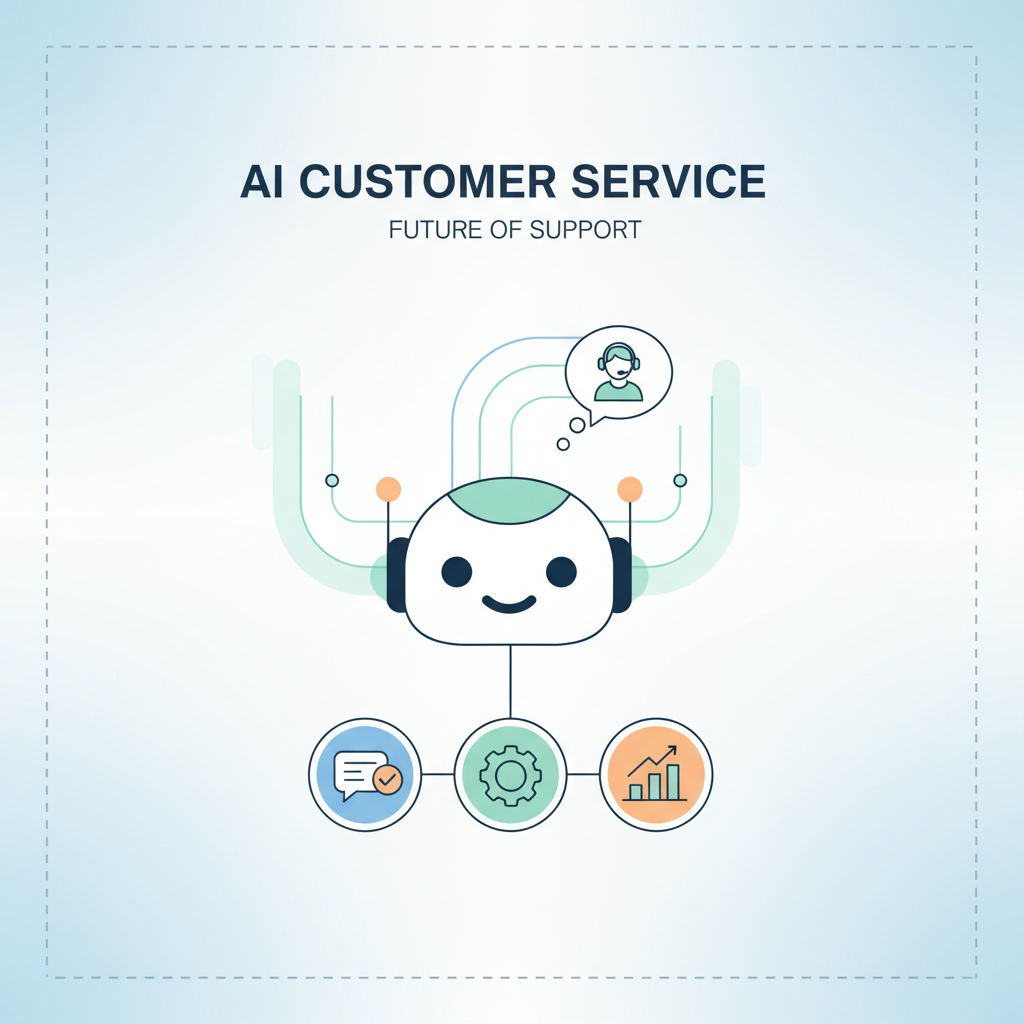
In today’s digital landscape, artificial intelligence (AI) plays a pivotal role in enhancing customer interactions. Implementing AI solutions can significantly transform how businesses manage service recommendations, making them more efficient and tailored to customer needs. By effectively configuring AI systems, organizations can streamline workflows, improve customer satisfaction, and ultimately drive better business outcomes. This article will guide you through the process of optimizing service recommendations using AI, specifically focusing on how to limit suggestions to enhance decision-making for agents.
Understanding AI in Customer Service
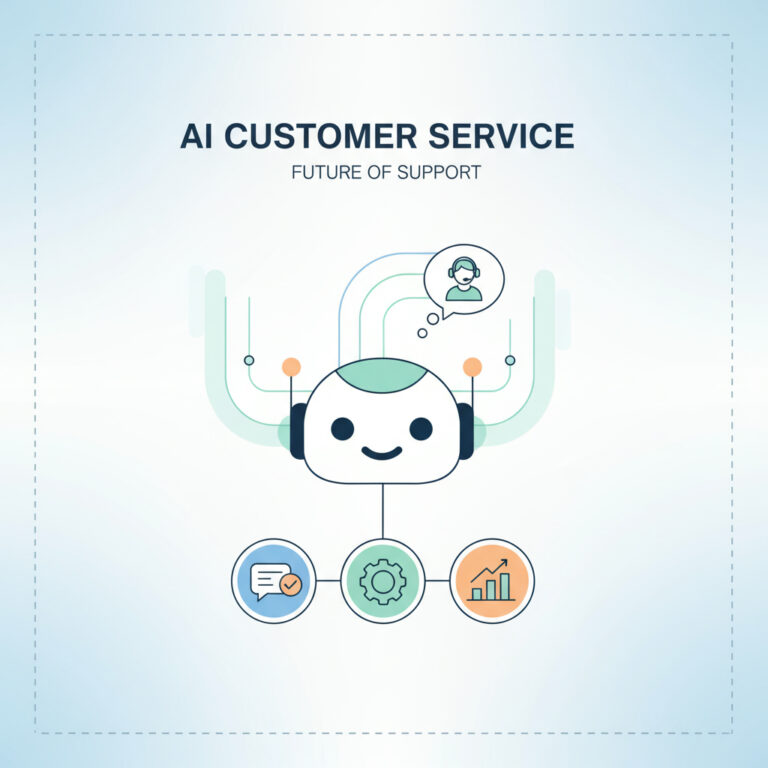
Artificial intelligence has revolutionized the way businesses interact with their customers. With AI, companies can analyze vast amounts of data quickly to provide personalized service recommendations. AI services can help identify trends and patterns, allowing agents to make informed decisions swiftly. Research shows that organizations leveraging AI in customer service see a marked improvement in efficiency and customer satisfaction.
The Role of AI Workflows in Enhancing Customer Experience
When implementing AI, it’s crucial to establish effective AI workflows. These workflows should be designed to facilitate seamless interactions between agents and customers. For example, by configuring AI to suggest a limited number of options, businesses can simplify the decision-making process for agents. Instead of overwhelming them with multiple choices, a single, relevant recommendation can expedite case resolution and enhance the customer experience.
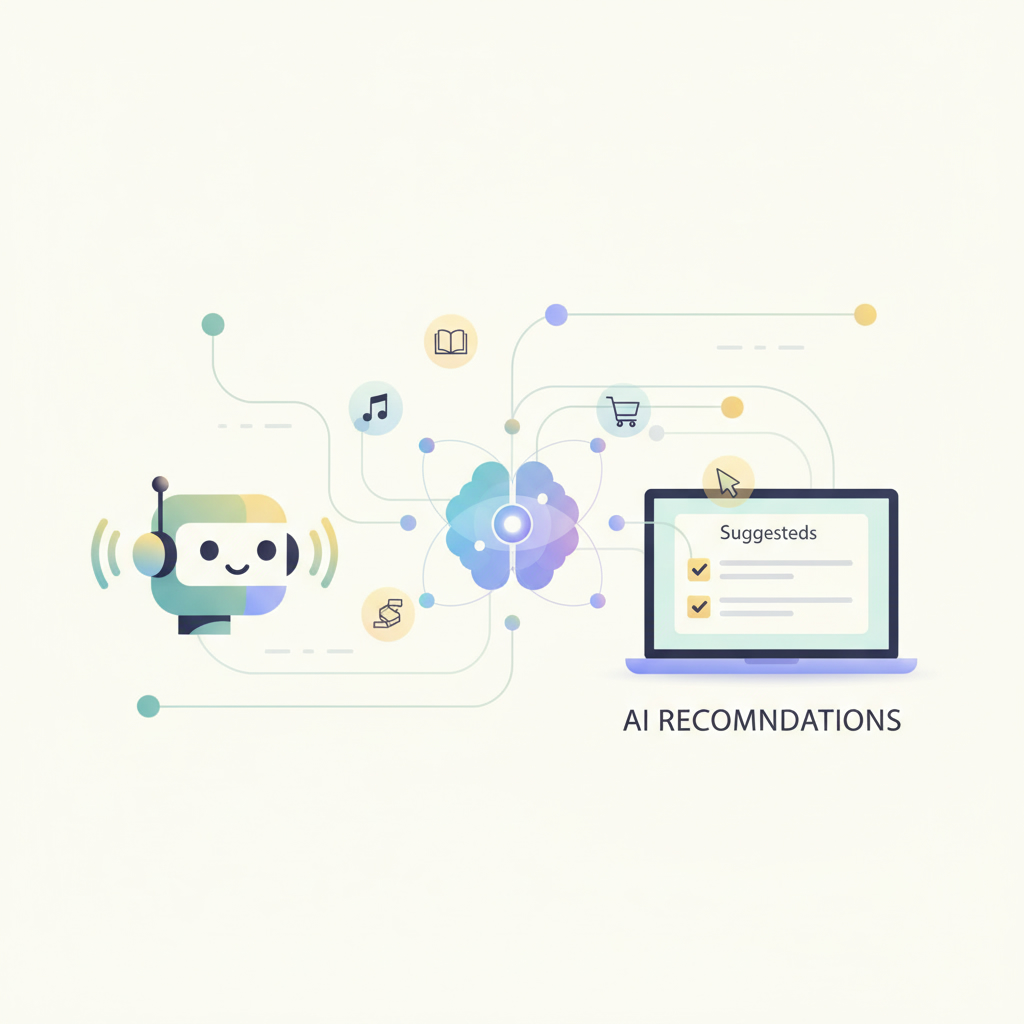
Steps to Configure AI for Service Recommendations
To optimize service recommendations within your AI system, follow these steps:
1. Access the Admin Platform: Begin by navigating to the admin view of your AI platform. Ensure you have the appropriate permissions to make changes.
2. Locate the SkillKit: Find the relevant AI skill that handles service recommendations.
3. Clone and Customize: Clone the existing skill to modify it. This allows you to preserve the original while experimenting with changes.
4. Adjust the Prompt: Update the prompt to limit the recommendations to one option instead of three. This helps agents focus on the most relevant choice.
5. Test and Finalize: After making adjustments, run tests to ensure everything functions as intended. Once satisfied, finalize the changes.
6. Publish the Skill: Publish the updated skill to make the changes live. Agents will now benefit from the streamlined recommendations during customer interactions.
The Impact of AI on Agent Performance
Studies indicate that limiting recommendations can lead to improved agent performance. When agents receive fewer options, they can respond more quickly and confidently to customer inquiries. This not only enhances productivity but also boosts overall customer satisfaction, as clients receive prompt and accurate service. By implementing AI effectively, businesses can create a more efficient customer service environment that prioritizes quality interactions.
Conclusion: Harnessing AI for Better Customer Interactions
Implementing artificial intelligence in customer service is not just about adopting new technology; it’s about enhancing the way agents interact with customers. By optimizing service recommendations, organizations can streamline workflows and improve overall efficiency. If you’re looking to boost your customer service capabilities, consider hiring an AI expert or working with an AI agency to implement these solutions. For further insights on how to integrate AI into your business, visit Implement Artificial Intelligence.
Embrace the future of customer service with AI and see the difference it can make in your organization’s interactions. Hire AI experts today to transform your customer service processes for the better.