
In the rapidly evolving field of artificial intelligence, innovations such as OpenAI’s latest updates are transforming the capabilities of AI agents. By integrating tools like web search and file search, AI can now provide real-time, accurate information, making it an invaluable asset for businesses and individuals looking to implement AI into their workflows. Today’s article delves into how these advancements work and how you can harness them to enhance your AI capabilities.
Understanding AI Agents and Their New Capabilities
AI agents are designed to perform specific tasks using artificial intelligence algorithms. The recent updates from OpenAI have introduced significant improvements that allow AI to access various tools to facilitate complex information retrieval. This means that when you hire an AI expert or agency, they can create agents capable of performing exhaustive searches across documents and the web.
How AI Agents Utilize Web and File Search Tools
To empower AI agents, they need access to external tools. For instance, utilizing a web search tool like Perplexity enables the AI to gather updated information from the internet. Similarly, a Subabase vector store is used for searching files. With these tools, an AI agent can answer questions like, “What is the rule about the flagstick?” or “What is the Chicago Bears’ current record?” effectively.
Research shows that AI agents can provide precise responses without needing inherent knowledge of the topics they address. Instead, they dynamically fetch data from their connected resources. Thus, if you inquire about the current record of a sports team, the AI agent retrieves the latest information from reliable sources like team websites.
The Role of OpenAI’s Responses API in Enhancing AI Workflows
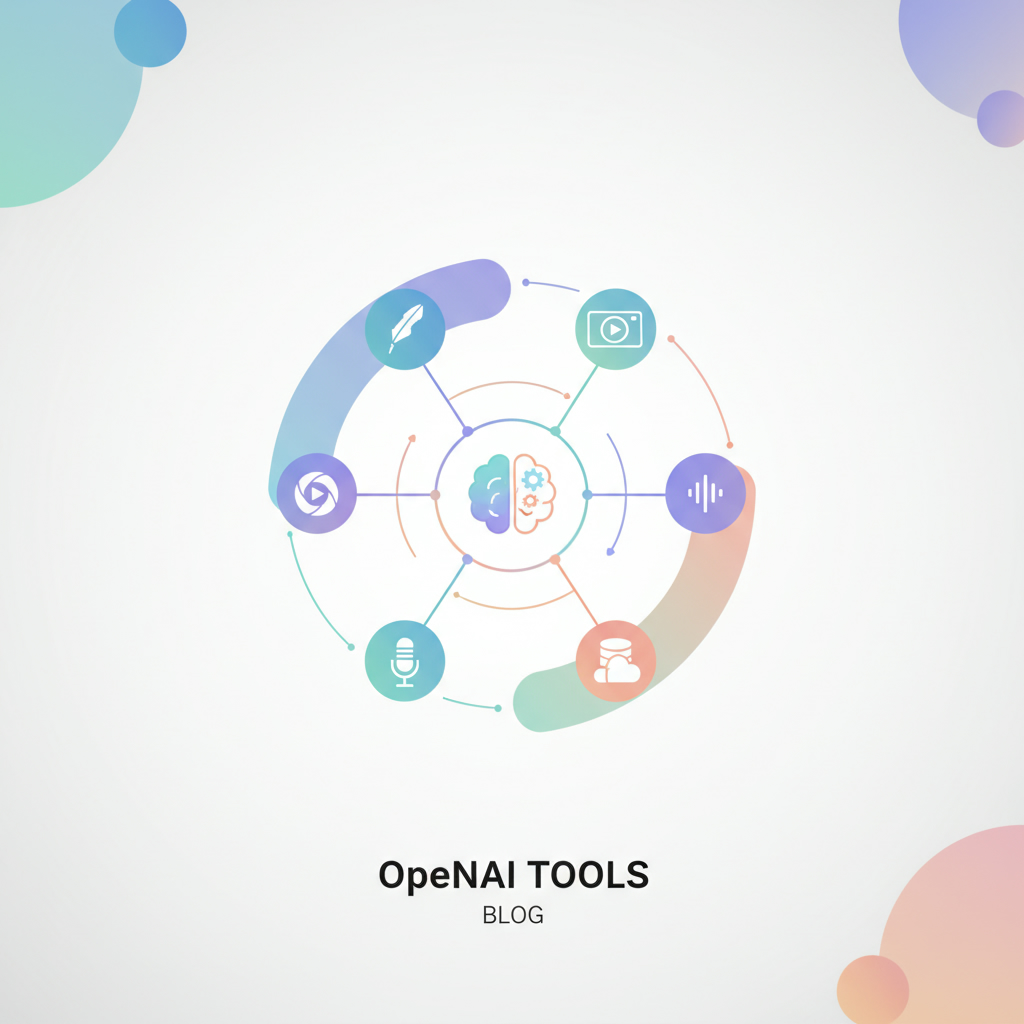
The recent updates to OpenAI’s chat model, particularly with the introduction of the Responses API, have further enriched AI workflows. To implement artificial intelligence effectively, users must activate the Responses API within their AI agents. This activation allows the integration of built-in tools such as web search and file search, enhancing the agent’s abilities.
1. Web Search: This feature allows the AI to look up real-time information from the web before generating a response, making it exceptionally useful for inquiries about current events.
2. File Search: By uploading files, users can create a vector store that the AI can reference, enabling it to provide detailed answers based on the content of those documents.
This integration is especially beneficial for businesses looking to boost their productivity through AI services. The ability to pull information from various sources means that AI can assist in data-rich environments where accuracy and timely information are crucial.
Practical Applications of AI Agents in Business
The implementation of AI agents equipped with these tools can significantly streamline business processes. For instance, companies can utilize AI to:
– Automate customer inquiries through AI chatbots
– Retrieve past documents efficiently when addressing client queries
– Analyze large datasets for actionable insights
Experts agree that these capabilities can lead to enhanced efficiency and improved decision-making within organizations. By hiring an AI agency to develop these systems, businesses can leverage AI to stay competitive in their respective markets.

The Importance of Understanding Pricing Models
While integrating these advanced AI capabilities is beneficial, businesses must also be mindful of the costs associated with using tools like OpenAI’s vector store. Currently, OpenAI charges 10 cents per gigabyte per day for storage, which can add up if not managed correctly. In contrast, other platforms may offer different pricing structures that could be more advantageous depending on your needs.
Studies indicate that exploring alternative AI solutions, such as Gemini, may offer more cost-effective options for file search capabilities. This is especially relevant for businesses that require extensive storage and retrieval functionalities without incurring high ongoing costs.
Conclusion: Embracing the Future of AI
Implementing artificial intelligence in your business processes through advanced AI agents is no longer a distant future. With tools like OpenAI’s web and file search capabilities, the possibilities are vast. By hiring AI experts or agencies, organizations can develop tailored AI solutions that enhance productivity and accuracy in operations.
If you’re interested in exploring how to implement AI effectively in your business, consider reaching out to an AI agency to discuss your needs and discover tailored solutions that can drive your business forward. Learn more at Implement Artificial Intelligence.