In today’s rapidly evolving technological landscape, organizations are increasingly turning to AI to transform their IT operations. Implementing artificial intelligence in on-call scheduling not only enhances efficiency but also streamlines incident response, enabling IT teams to focus on innovation rather than firefighting. This article will explore best practices for integrating AI into your on-call scheduling processes, paving the way for a more autonomous IT environment.
Understanding the Importance of AI in On-Call Scheduling
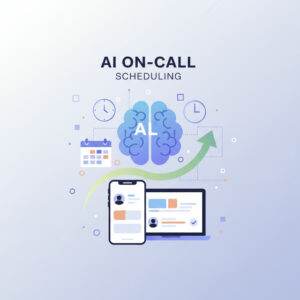
AI is revolutionizing how businesses manage their IT operations, especially in on-call scheduling. By automating routine tasks, organizations can significantly reduce the mean time to resolution (MTTR) for incidents. Research indicates that companies utilizing AI in their workflows experience up to a 20% improvement in incident response times. This shift from reactive to proactive management is essential for maintaining service reliability and enhancing employee satisfaction.
Key Components of AI-Driven On-Call Scheduling
Leveraging AI Workflows for Efficiency
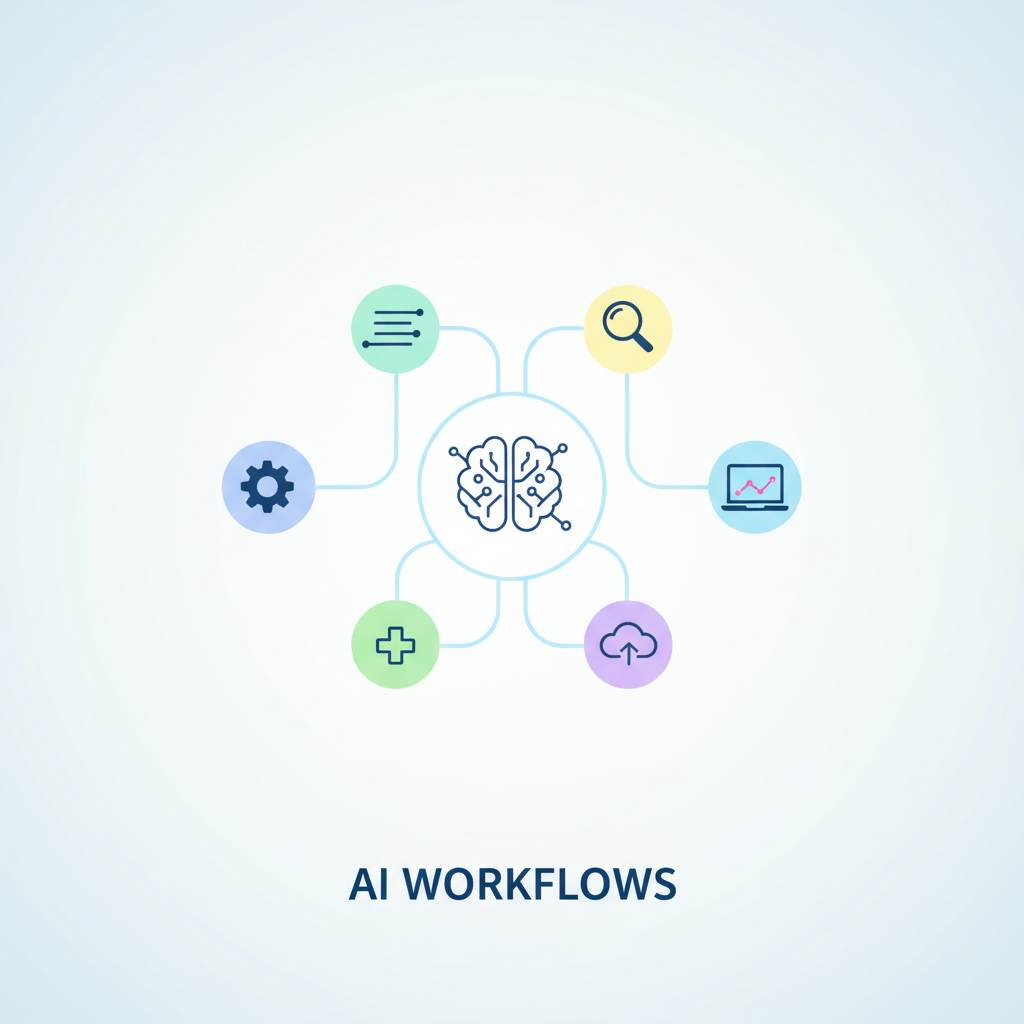
Incorporating AI workflows into your on-call scheduling can streamline communication and ensure that team members are notified promptly. This includes setting up automated alerts via various channels such as SMS, email, or collaboration tools like Microsoft Teams. AI bots can facilitate these notifications, ensuring that critical incidents are managed swiftly, thus reducing operational chaos.
Implementing AI Automation for Incident Management
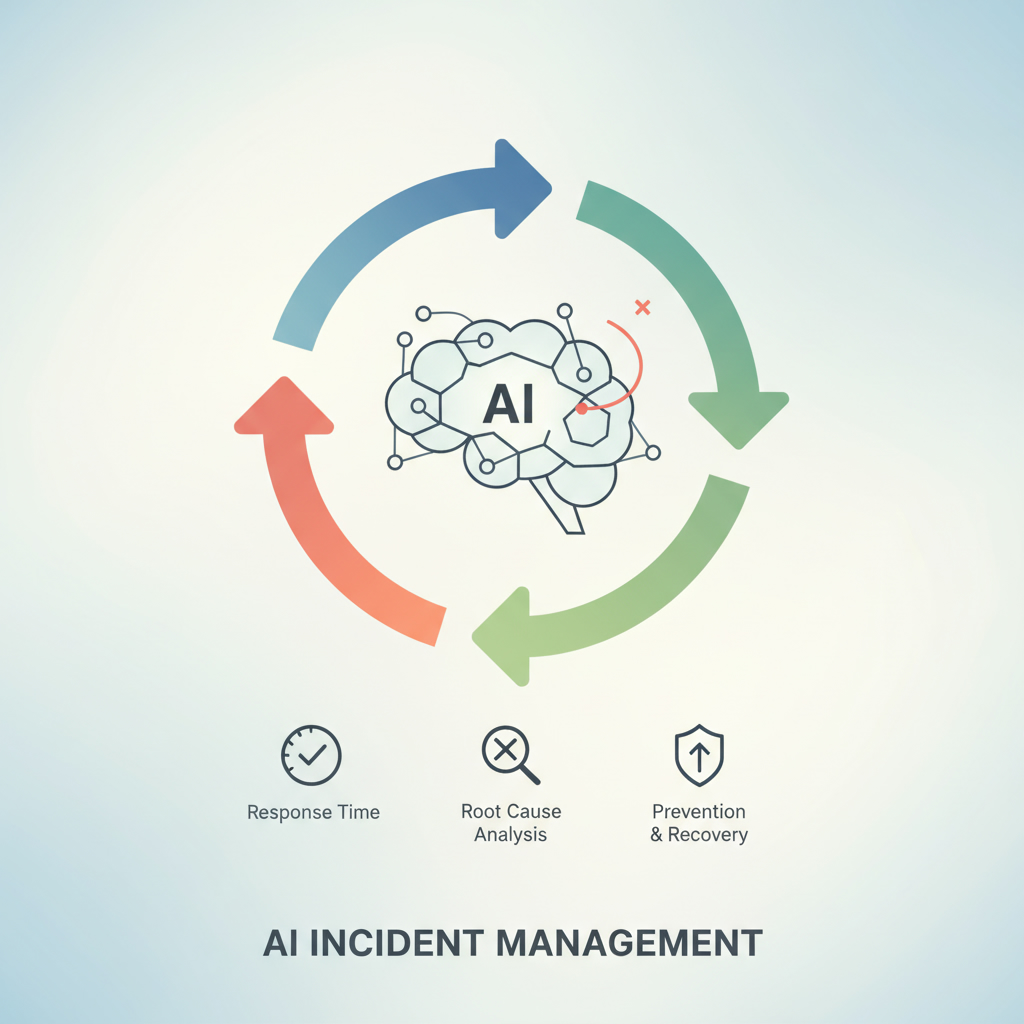
Automation plays a pivotal role in achieving zero service outages. By using AI to automate incident escalations and notifications, organizations can ensure that the right personnel are alerted without delay. According to a study by the Gartner Group, organizations that implement AI for incident management can reduce their operational costs by up to 30%. This is achieved through better resource allocation and reduced manual intervention.
Best Practices for On-Call Scheduling Using AI
1. Define Clear On-Call Schedules
Establishing well-defined on-call schedules is crucial. Ensure that shifts are clearly outlined, including primary and secondary responders. A best practice is to utilize a follow-the-sun model to provide 24/7 coverage across different time zones, which can be easily managed through AI tools.
2. Configure Notification Preferences
Set notification protocols that align with team members’ preferences. Allow responders to choose their preferred communication channels, ensuring that critical alerts reach them efficiently. Testing these notification workflows before going live is imperative to guarantee reliability.
3. Set Up Escalation Policies
Automated escalation policies can significantly enhance incident management. Implement triggers that automatically engage on-call responders based on predefined conditions, ensuring that no critical incident is overlooked. This is where AI can truly shine, as it can assess incident severity and determine the appropriate escalation path.
The Future of AI in IT Operations
As organizations continue to embrace artificial intelligence, the potential for enhanced operational efficiency grows. Implementing AI in on-call scheduling is just the beginning. Future advancements may include more sophisticated AI voice interactions and chat capabilities that further streamline incident resolution processes. Experts agree that organizations that leverage AI effectively will be positioned to thrive in a competitive landscape.
Call to Action
Ready to transform your IT operations with AI? Visit Implement Artificial Intelligence to explore our comprehensive AI services and discover how to implement artificial intelligence in your organization today.
Summary
Incorporating AI into on-call scheduling is essential for organizations aiming to enhance their IT operations. By following best practices such as defining clear schedules, configuring notification preferences, and setting up automated escalation policies, businesses can achieve a more autonomous IT environment. The future of AI in IT is bright, and by acting now, you position your organization for success in the digital age.