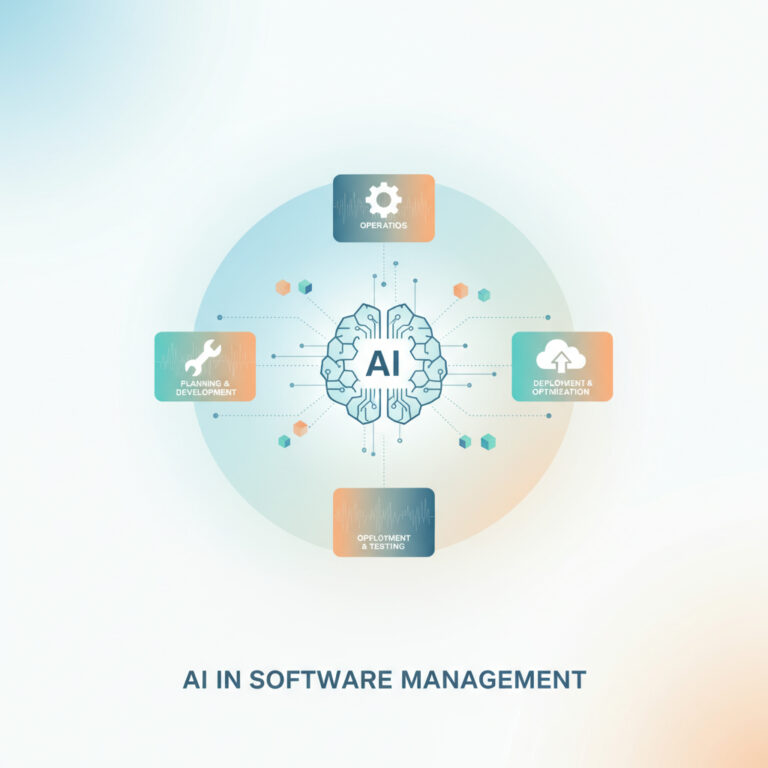

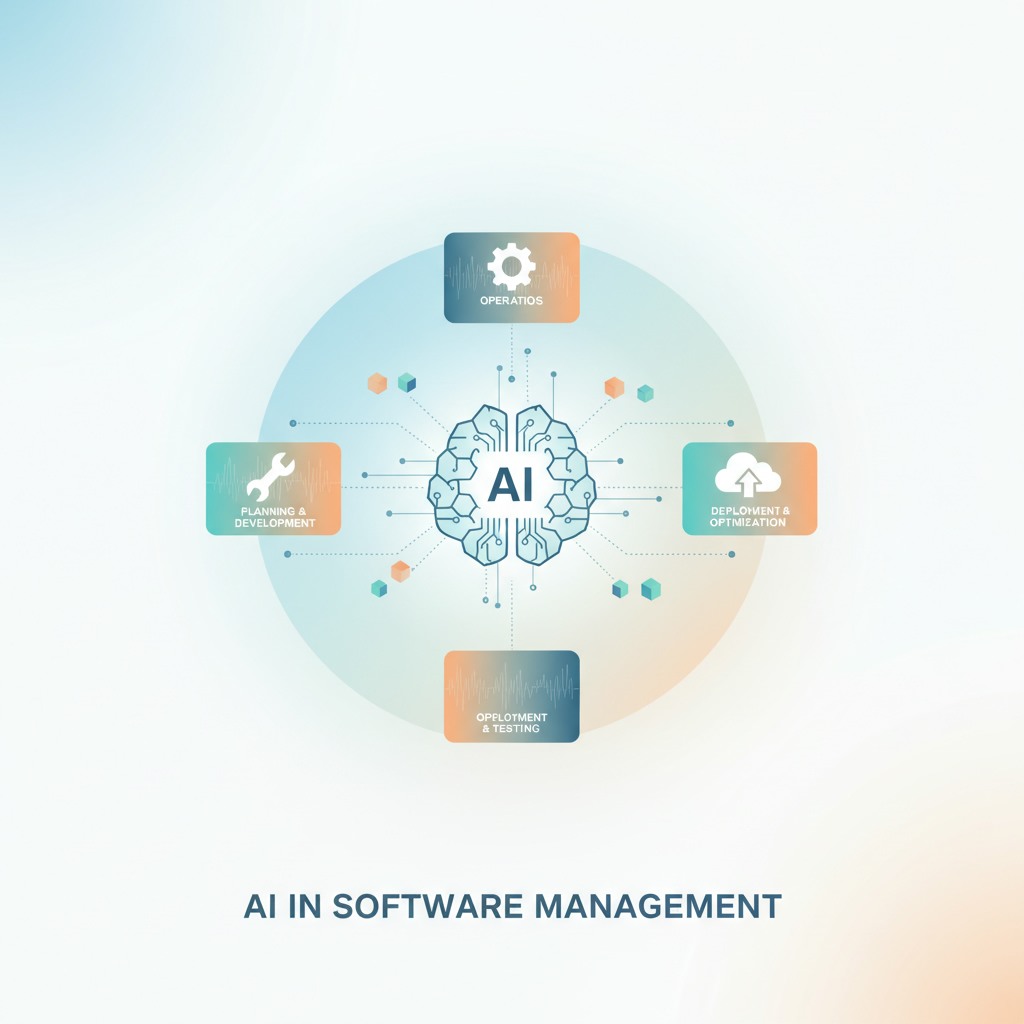
In today’s digital landscape, AI is revolutionizing how organizations manage their software assets. By implementing artificial intelligence, companies can enhance compliance, control costs, and streamline workflows. The modern approach to software asset management (SAM) not only retains visibility over diverse asset portfolios but also addresses common challenges related to risk and efficiency. Organizations that hire AI experts can leverage advanced technologies to automate processes, optimize resource allocation, and ultimately drive significant savings. This article will explore how integrating AI into SAM practices transforms compliance and cost control within organizations.
Understanding the Role of AI in Software Asset Management
Research shows that organizations face numerous challenges in traditional software asset management. These include siloed data, outdated systems, and limited visibility across the asset lifecycle. By utilizing AI services, organizations can break down these barriers, allowing for better decision-making and streamlined operations.
Key Challenges Addressed by AI Workflows
Implementing AI in software asset management addresses several key challenges:
– Visibility: AI solutions provide real-time insights into software usage and compliance.
– Cost Efficiency: Automated processes reduce manual effort, allowing teams to focus on strategic initiatives.
– Risk Management: AI can identify vulnerabilities in software assets, helping organizations mitigate risks before they escalate.
With AI-driven tools, businesses can achieve a comprehensive understanding of their software assets, leading to improved compliance and cost control.
The Benefits of Hiring AI Experts for SAM
Engaging with an AI agency can significantly enhance your organization’s capabilities in software asset management. Here’s how:
Streamlined Processes with AI Bots
AI bots can automate repetitive tasks in the asset lifecycle, such as procurement and inventory management. This not only reduces workload but also minimizes human error, ensuring higher accuracy in asset data.
Enhanced Decision-Making with AI Voice Assistants
Integrating AI voice technology allows teams to query asset databases and retrieve information quickly. This capability improves responsiveness and enables decision-makers to act on insights without delay.
Predictive Analytics for Future Planning
Using AI in software asset management provides predictive analytics that forecasts software usage trends and potential compliance issues. This foresight enables organizations to proactively address challenges before they become costly problems.
Implementing AI in Your Software Asset Management Strategy
To effectively implement AI in your software asset management, consider the following steps:
1. Assess Current Processes: Identify areas within the current SAM framework that can benefit from AI enhancements.
2. Engage an AI Agency: Partner with experts who can guide the integration of AI technologies into your existing systems.
3. Develop AI Workflows: Create workflows that leverage AI capabilities to automate and optimize SAM processes.
4. Monitor and Adapt: Continuously monitor the AI systems and adapt strategies based on performance metrics and evolving business needs.
Conclusion: The Future of Software Asset Management with AI
The integration of AI into software asset management is not just a trend; it’s a necessity for organizations aiming to maintain compliance and control costs in a rapidly changing environment. By hiring AI experts, businesses can unlock the full potential of their software assets, ensuring better visibility, enhanced security, and significant cost savings. Don’t be left behind—start transforming your software asset management strategy today by implementing artificial intelligence. For more information on how to get started, visit Implement Artificial Intelligence.