The landscape of AI and model risk management has evolved significantly with the December 2025 release. Organizations can now implement artificial intelligence more effectively to onboard, assess, validate, and monitor models such as algorithmic and quantitative models. This new update revolutionizes how businesses manage model risk and sets a new standard in the industry.
Understanding Model Risk Management with AI
Model risk management is essential in today’s data-driven world. With advancements in artificial intelligence, organizations must ensure their models are accurate, reliable, and compliant with regulations. The December 2025 release introduces a sophisticated workspace designed for seamless management of model risk activities. It allows users to track new models, monitor tasks, and identify issues in real-time, which is crucial for effective model governance.
Key Features of the December 2025 Update
The recent update offers several features that enhance how organizations can manage their models:
– User-Friendly Workspace: The new model risk workspace provides a centralized hub where users can access all model-related activities.
– Task Management: Users can view overdue tasks and those that require immediate attention, which streamlines workflow.
– Model Intake Form: New model requests can be submitted easily through an intuitive intake form, capturing essential information for governance teams.
– Assessment and Validation: The update includes a playbook-style approach for assessing and validating models, ensuring every aspect is covered before deployment.
The Role of AI in Enhancing Model Risk Management
AI services play a crucial role in enhancing model risk management. With the ability to analyze vast amounts of data quickly, AI can identify patterns and anomalies that might otherwise go unnoticed. This capability helps organizations make informed decisions about their models, reducing potential risks associated with model failures.
According to a report by the Financial Stability Board, organizations that implement AI-driven model risk management practices see a significant reduction in financial and operational risks. This underscores the importance of hiring AI experts who can integrate these powerful tools into existing frameworks effectively.
Streamlining Processes with AI Workflows
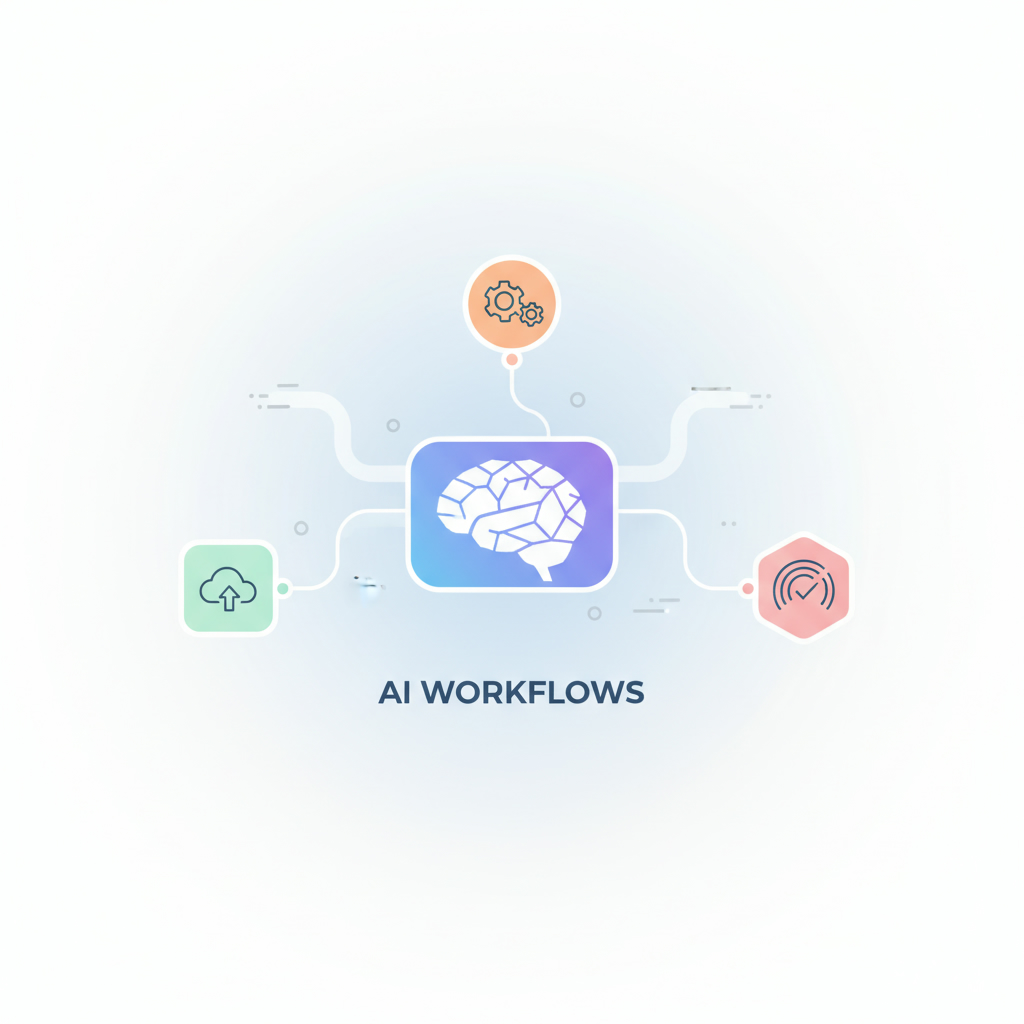
Implementing AI workflows in model risk management allows for automation of repetitive tasks, freeing up valuable time for professionals to focus on strategic initiatives. For instance, the automated workflow can handle:
– Data collection and validation
– Risk assessments and reporting
– Ongoing monitoring and model performance evaluations
By utilizing AI bots and AI chat functionalities, organizations can also improve communication and collaboration within their teams, ensuring everyone is informed and aligned throughout the model lifecycle.
The Future of AI in Model Risk Management
As the demand for AI continues to grow, organizations must stay ahead of the curve by continuously evolving their model risk management practices. The December 2025 release is just the beginning of a series of enhancements aimed at improving model governance. Companies that proactively implement artificial intelligence will not only mitigate risks but also gain a competitive advantage in their respective markets.
For more insights and to explore how to effectively hire an AI agency, visit Implement Artificial Intelligence.
By leveraging the latest AI technologies, your organization can transform its approach to model risk management, ensuring robust processes that adapt to changing market conditions.
In summary, the integration of AI in model risk management is not just a trend; it is a necessity for modern organizations. The December 2025 update offers powerful tools for onboarding, assessing, and monitoring models effectively. As businesses navigate the complexities of model governance, they must embrace these advancements to ensure compliance and innovation in their operations.