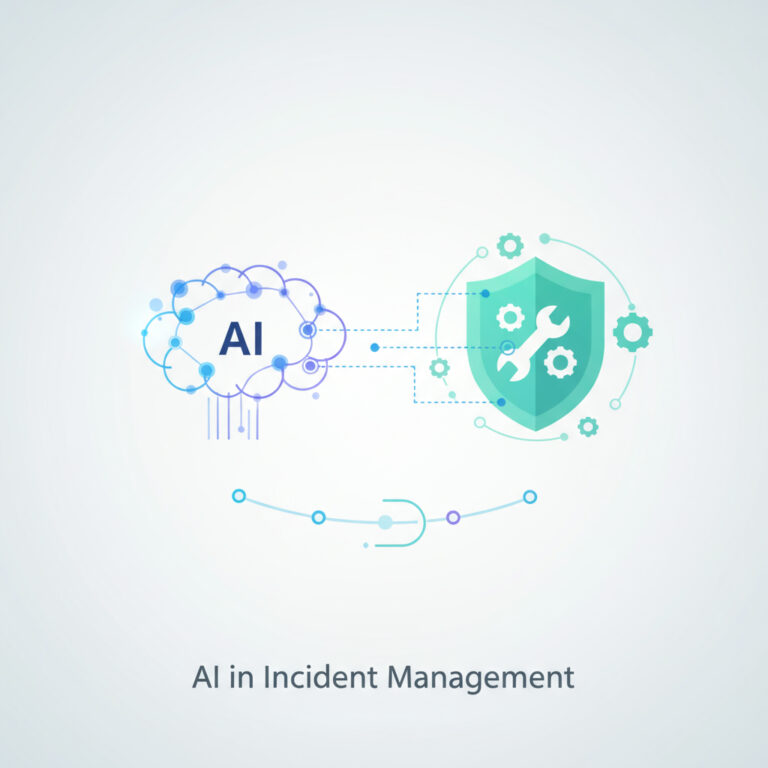
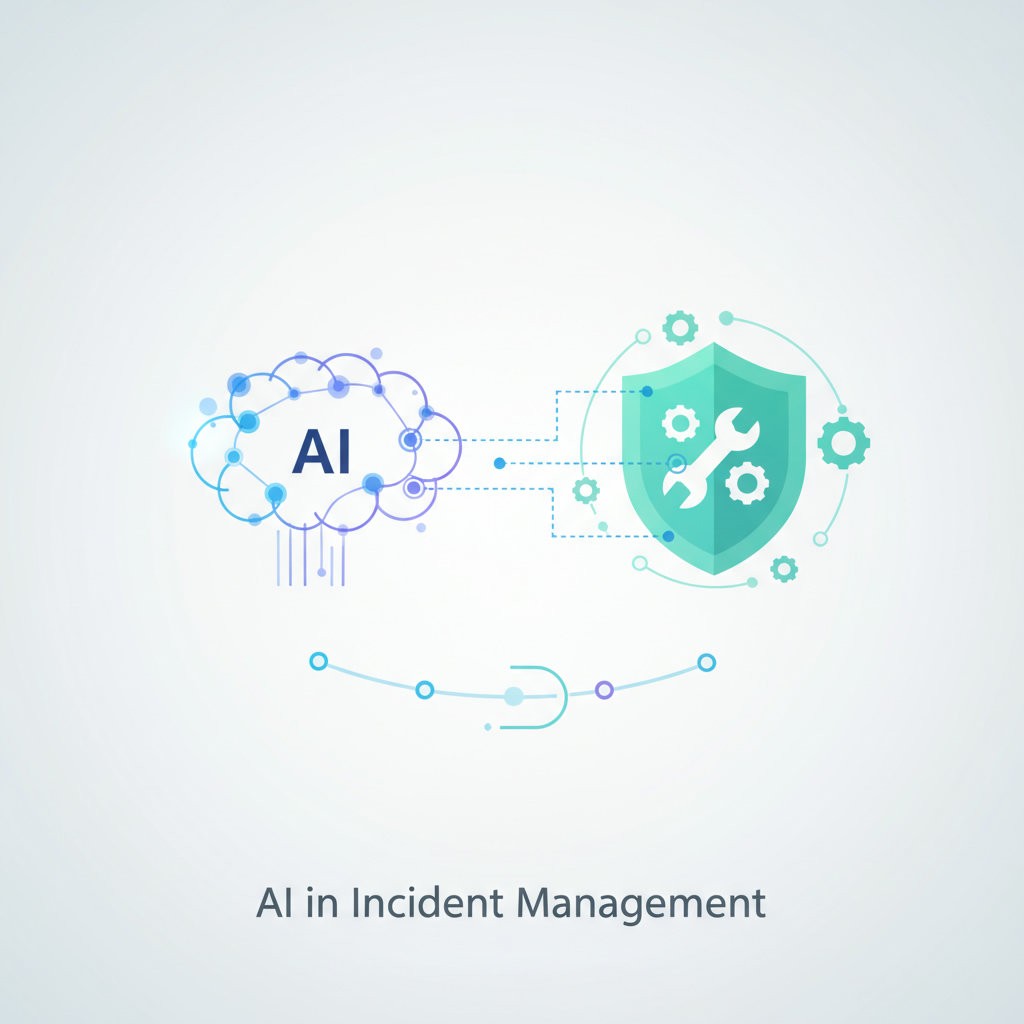
In today’s rapidly evolving technological landscape, the integration of AI in major incident management is crucial for organizations aiming to enhance their operational efficiency. Implementing artificial intelligence can significantly reduce response times and improve communication during critical incidents. This blog explores the transformative power of AI, its applications in incident management, and practical steps organizations can take to leverage AI effectively. By embracing AI services, businesses can streamline their processes, reduce downtime, and ultimately enhance their service delivery.
Understanding Major Incident Management
Major incident management is a structured approach to managing high-impact incidents that disrupt business operations. When major incidents occur, the stakes are high; prolonged downtime can lead to significant financial losses and damage to reputation. Implementing AI in this process allows organizations to automate repetitive tasks, analyze large datasets quickly, and improve the accuracy of incident assessments.
The Role of AI in Incident Management
Artificial intelligence plays a pivotal role in incident management by providing tools that assist in decision-making and streamline workflows. Here are some key benefits of integrating AI into major incident management:
– Faster Incident Identification: AI algorithms can analyze patterns in real-time data to identify potential major incidents before they escalate.
– Automated Communication: AI-driven communication tools ensure that relevant stakeholders receive timely updates, improving overall communication compliance.
– Enhanced Decision-Making: With AI, organizations can utilize predictive analytics to anticipate issues and deploy resources more effectively.
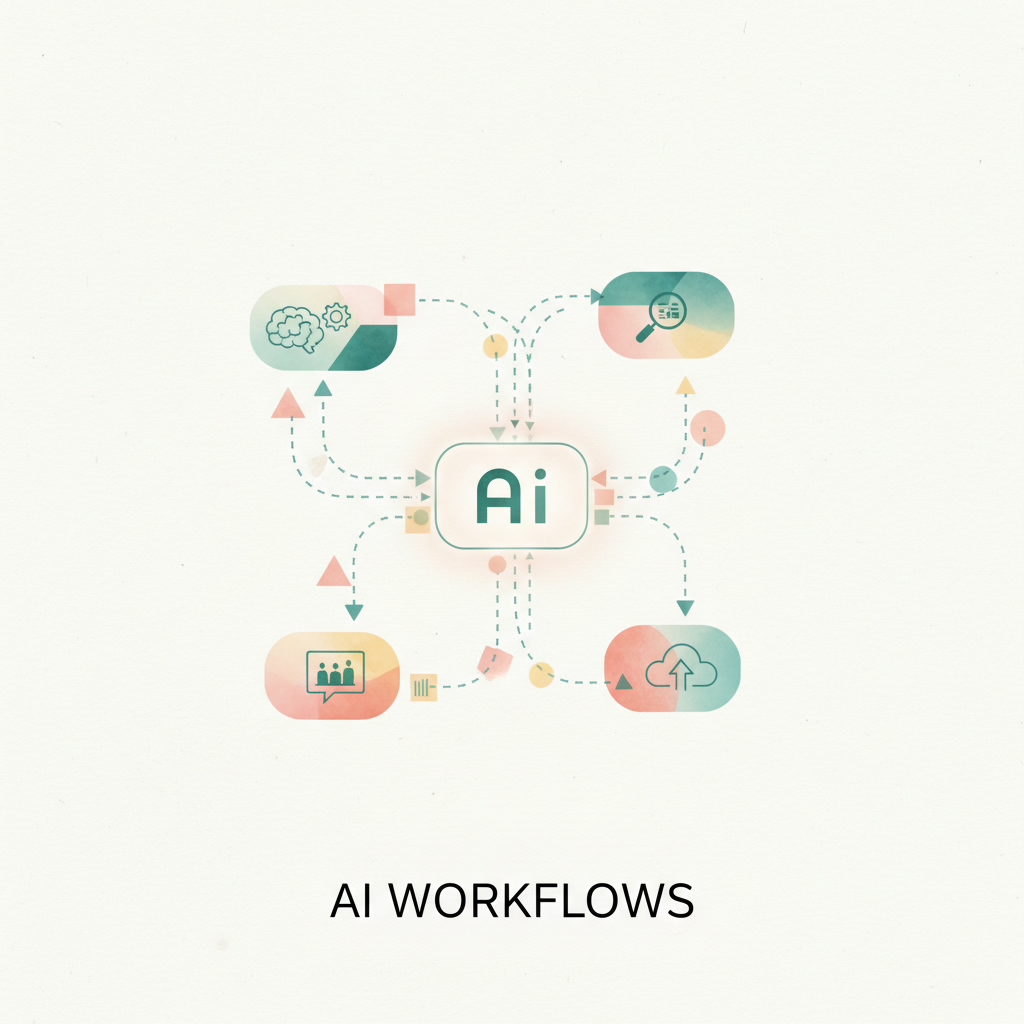
Implementing AI Workflows for Major Incidents
To successfully implement AI workflows in major incident management, organizations must follow a structured approach:
1. Define Incident Criteria: Establish clear definitions of what constitutes a major incident. This helps in identifying triggers for AI to act upon.
2. Set Up Communication Protocols: Automate communication plans that activate based on the type and severity of incidents.
3. Utilize AI Bots: Integrate AI bots to assist in gathering information and providing real-time status updates.
4. Conduct Post-Incident Reviews: Use AI to analyze incident data and generate reports that highlight lessons learned and areas for improvement.
The Importance of AI Expertise
To fully realize the benefits of AI in major incident management, organizations may consider hiring an AI expert or partnering with an AI agency. Experts can help tailor AI solutions to meet specific organizational needs, ensuring that AI is effectively integrated into existing processes. Research shows that businesses leveraging AI expertise see a significant improvement in their operational efficiency and incident response times.
Case Studies of Successful AI Implementation
Several organizations have successfully transformed their incident management processes through AI:
– Company A integrated AI-driven predictive analytics, resulting in a 30% reduction in average resolution time for major incidents.
– Company B automated communication protocols using AI, improving stakeholder updates during incidents by over 50%.
These examples illustrate how implementing AI not only enhances operational efficiency but also significantly improves the overall incident management experience.
Conclusion
Incorporating AI in major incident management is no longer a luxury but a necessity for organizations looking to thrive in a competitive landscape. By adopting AI-driven solutions, businesses can streamline their processes, reduce response times, and ultimately enhance their operational resilience. To explore how to effectively implement AI in your incident management strategy, consider reaching out to an AI agency or expert today. For more insights and resources on implementing artificial intelligence, visit Implement Artificial Intelligence.