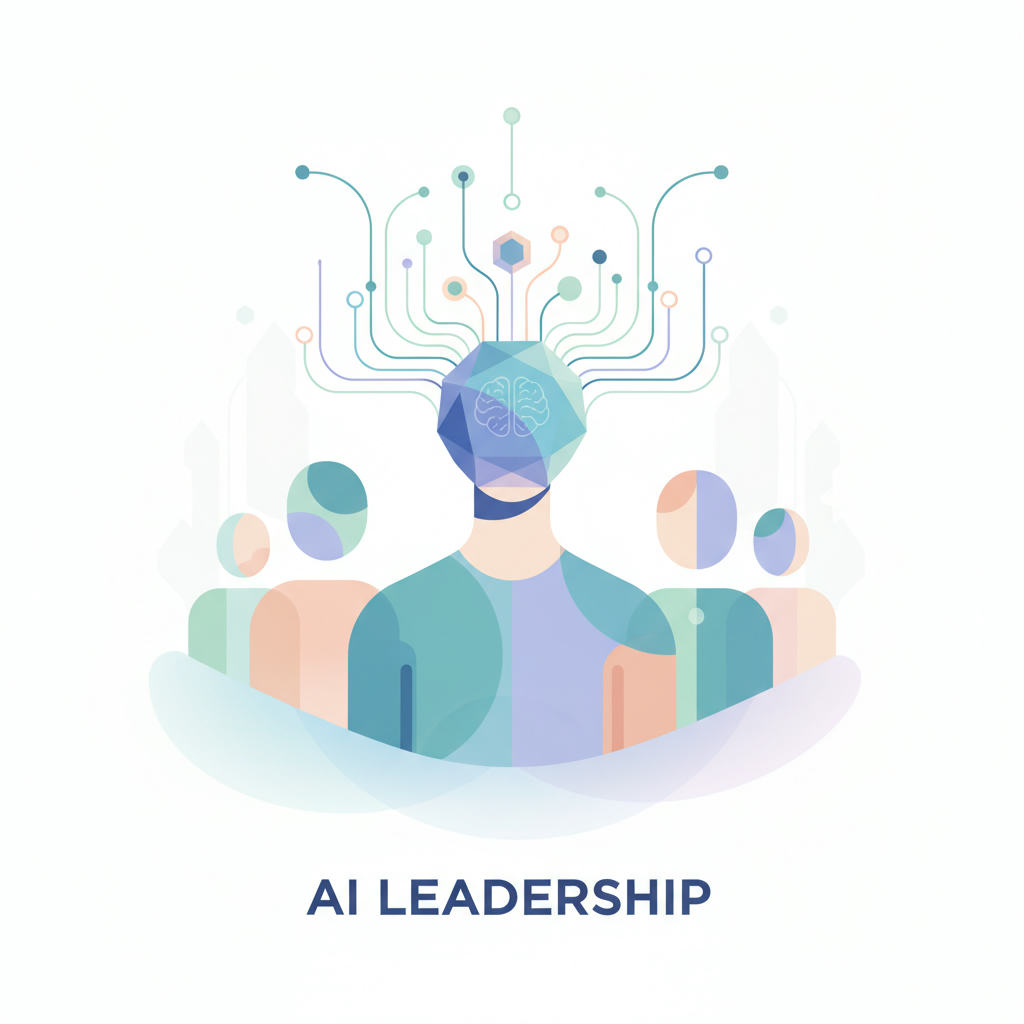
In the rapidly evolving landscape of AI and artificial intelligence, effective leadership is crucial for organizations to harness the full potential of these technologies. As businesses increasingly look to implement AI solutions, understanding the nuances of leadership in this domain is essential. This post explores the intersection of leadership and AI, sharing insights on how to cultivate a forward-thinking approach that can enhance both team dynamics and project outcomes.
Understanding AI Leadership
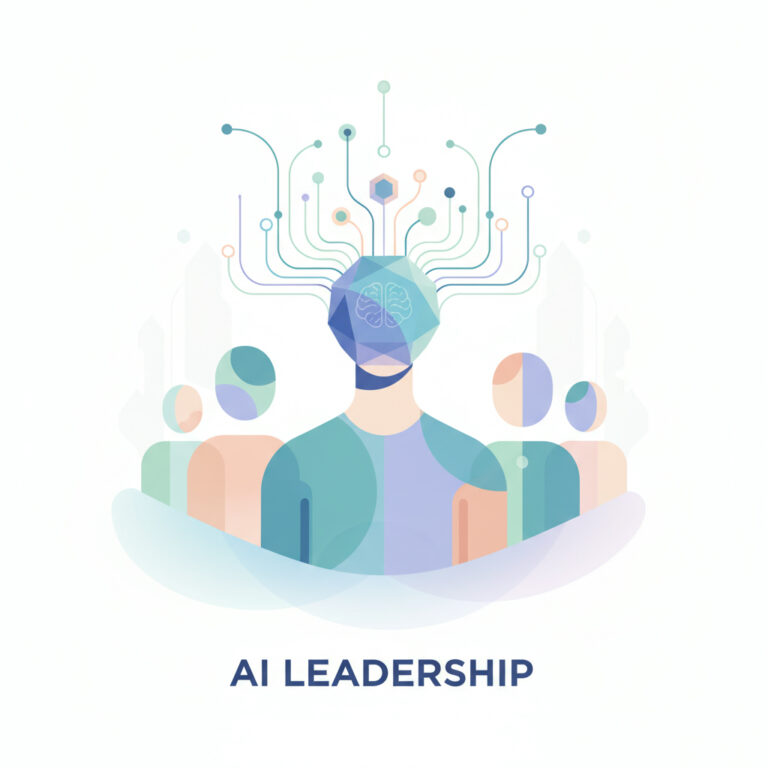
Effective leadership in the realm of AI involves a deep understanding of the technology and the ability to inspire teams to innovate. Studies indicate that leaders who embrace artificial intelligence not only improve operational efficiency but also foster a culture of continuous learning and adaptability. Leaders must prioritize empathy, communication, and vision to navigate the complexities of AI implementation successfully.
The Role of Empathy in AI Implementation
Empathy is a cornerstone of successful leadership, especially in tech-centric organizations. Research shows that empathetic leaders are better equipped to understand their teams’ challenges and aspirations. This understanding is essential when integrating AI into workflows, as it allows leaders to position team members in roles that leverage their strengths.
– Listening First: Engaging with team members to understand their perspectives can inform the AI workflows being developed.
– Encouraging Growth: By fostering an environment where team members feel supported, leaders can enhance productivity and innovation.
Navigating Challenges in AI Adoption
Implementing AI solutions is not without its challenges. Leaders must prepare for potential failures and setbacks, viewing them as opportunities for growth. Experts agree that a strong leader must cultivate resilience within their teams to overcome obstacles.
Learning from Failure
In the world of artificial intelligence, setbacks are inevitable. Great leaders adopt a mindset that views failure as a learning opportunity. This approach encourages teams to take calculated risks, ultimately driving innovation.
– Mentorship: Strong leaders often serve as mentors, guiding their teams through the complexities of AI projects. They provide valuable insights that can help shape the learning process and foster a culture of continuous improvement.
The Importance of Human-Centric AI Design
As organizations strive to implement AI, maintaining a human-centered approach is critical. Research emphasizes the importance of keeping humans in the loop when designing AI systems to ensure that technology complements human capabilities rather than replaces them. This principle is especially relevant in high-stakes environments like healthcare and aviation, where human oversight is paramount.
Balancing Product and People-Centric Leadership
In the quest to leverage AI for business growth, leaders often find themselves at a crossroads between being product-centric and people-centric. While a focus on product improvement is essential, neglecting the human aspect can lead to disengagement and missed opportunities for innovation.
– Agility in Leadership: Adapting to the fast-paced changes in AI requires leaders to be agile, balancing the needs of the product with the well-being of their team.
– Integrating AI and Human Input: Successful leaders find ways to combine AI capabilities with human insight to enhance decision-making processes and outcomes.
Call to Action: Elevate Your AI Strategy
If you’re looking to enhance your organization’s approach to AI and artificial intelligence, consider partnering with an expert AI agency. They can help you navigate the complexities of implementing AI solutions effectively and efficiently. For more information, visit Implement Artificial Intelligence.
Conclusion: The Future of AI Leadership
As we move forward in the age of artificial intelligence, the role of leadership will continue to evolve. By prioritizing empathy, fostering resilience, and maintaining a human-centric approach to AI, organizations can harness the full potential of AI technologies. Leaders who adapt to these changes will not only drive innovation but also create a sustainable and inclusive work environment that embraces the future of AI.