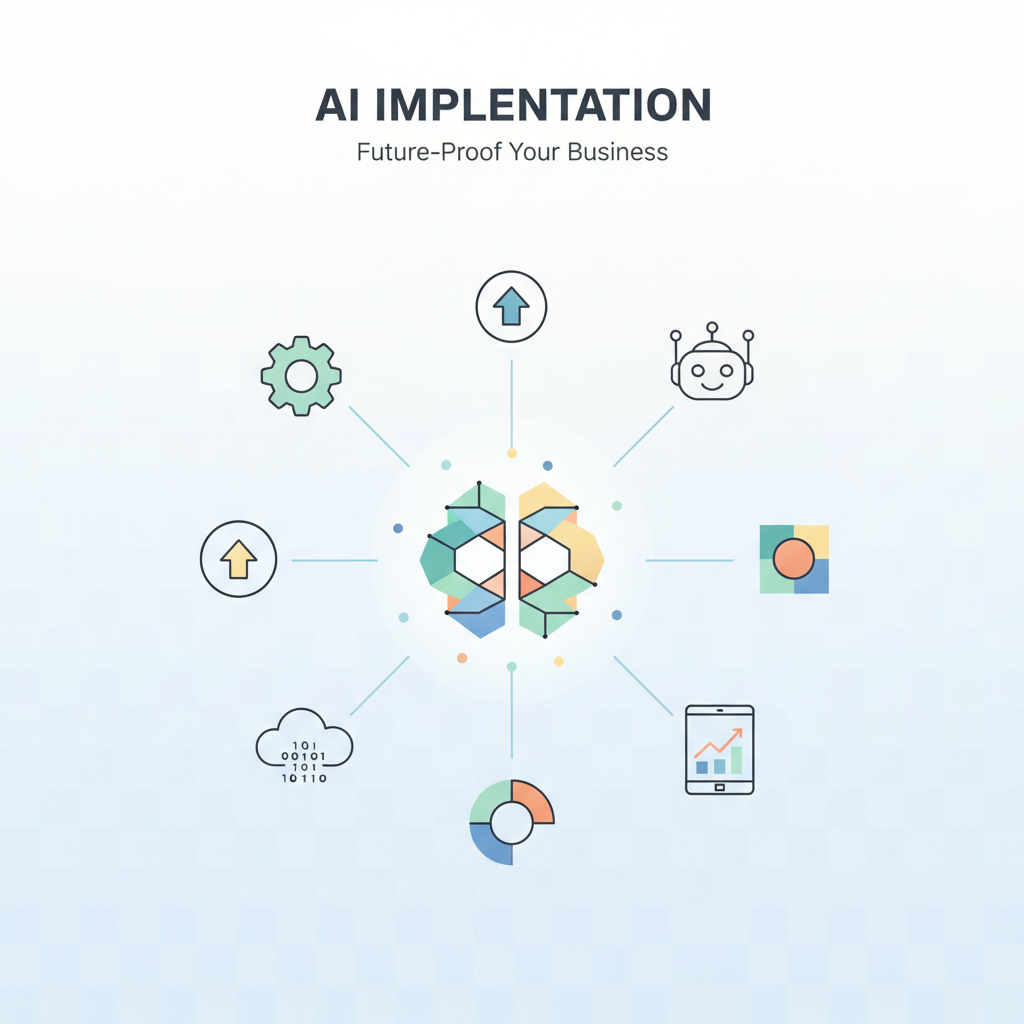
Artificial Intelligence (AI) is revolutionizing the way businesses operate, but it’s essential to remember that AI is not a magic solution; it’s fundamentally grounded in mathematics and data. In today’s rapidly evolving technological landscape, organizations must understand the practical applications of AI and how to effectively implement artificial intelligence to drive business value. This blog post explores the importance of AI readiness, the benefits of smaller models, and how to harness AI services effectively to enhance productivity and maintain a competitive edge.
Understanding AI Readiness: Why It Matters
AI readiness refers to an organization’s preparedness to leverage artificial intelligence technologies effectively. This includes not just the technology itself but also the culture and people within the organization. According to industry experts, having a solid foundation in data management and governance is critical for successful AI implementation. Companies often overlook the human element, which is vital for navigating the complexities of AI workflows.
The Role of Culture in AI Adoption
To successfully implement AI, organizations need to foster a culture that embraces change and innovation. This involves training employees to understand the capabilities and limitations of AI tools. Research indicates that businesses with a proactive approach to change management are more likely to reap the benefits of AI solutions. By prioritizing data literacy and encouraging collaboration among teams, companies can ensure that AI becomes a valuable asset rather than just a trendy buzzword.
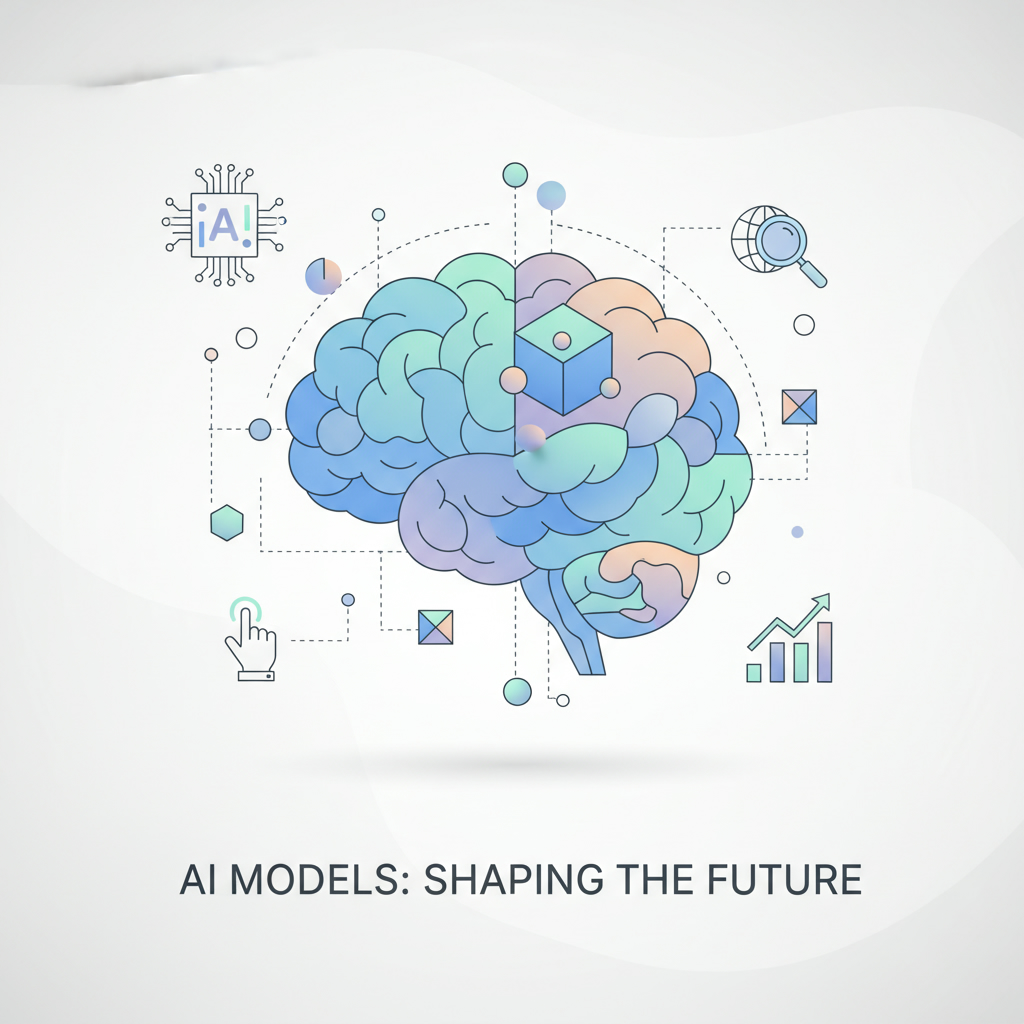
The Shift Towards Smaller, Efficient AI Models
While large language models (LLMs) have gained significant attention, experts agree that smaller, specialized models will become increasingly important in business applications. These models are often more efficient and easier to manage, leading to better performance in specific tasks. For instance, in environments where accuracy is paramount, such as healthcare or finance, smaller models can provide more reliable outcomes by reducing the risk of hallucinations and errors associated with larger models.
Benefits of Smaller Models
Smaller AI models can:
– Enhance predictability: With a focused dataset, these models can deliver more accurate results.
– Reduce costs: They typically require less computational power, making them more economical to implement.
– Improve explainability: Smaller models often provide clearer insights, enabling stakeholders to understand the decision-making process behind AI outputs.
Implementing artificial intelligence with these models allows companies to maximize their return on investment while minimizing risks associated with larger systems.
Change Management: A Key to Successful AI Implementation
For organizations looking to hire AI experts or engage with an AI agency, understanding the nuances of change management is crucial. Many organizations fail to recognize that implementing artificial intelligence is not just about technology; it involves significant shifts in processes and culture. In fact, studies show that a lack of effective change management is one of the primary reasons why AI projects fail.
Best Practices for Change Management in AI
1. Communicate Clearly: Ensure all stakeholders understand the goals and benefits of implementing AI.
2. Involve Employees: Engage team members in the transition to AI-driven processes to mitigate resistance.
3. Provide Training: Equip employees with the necessary skills to work alongside AI tools effectively.
These strategies can help organizations navigate the complexities of AI and emerge stronger, more agile, and ready to capitalize on new opportunities.
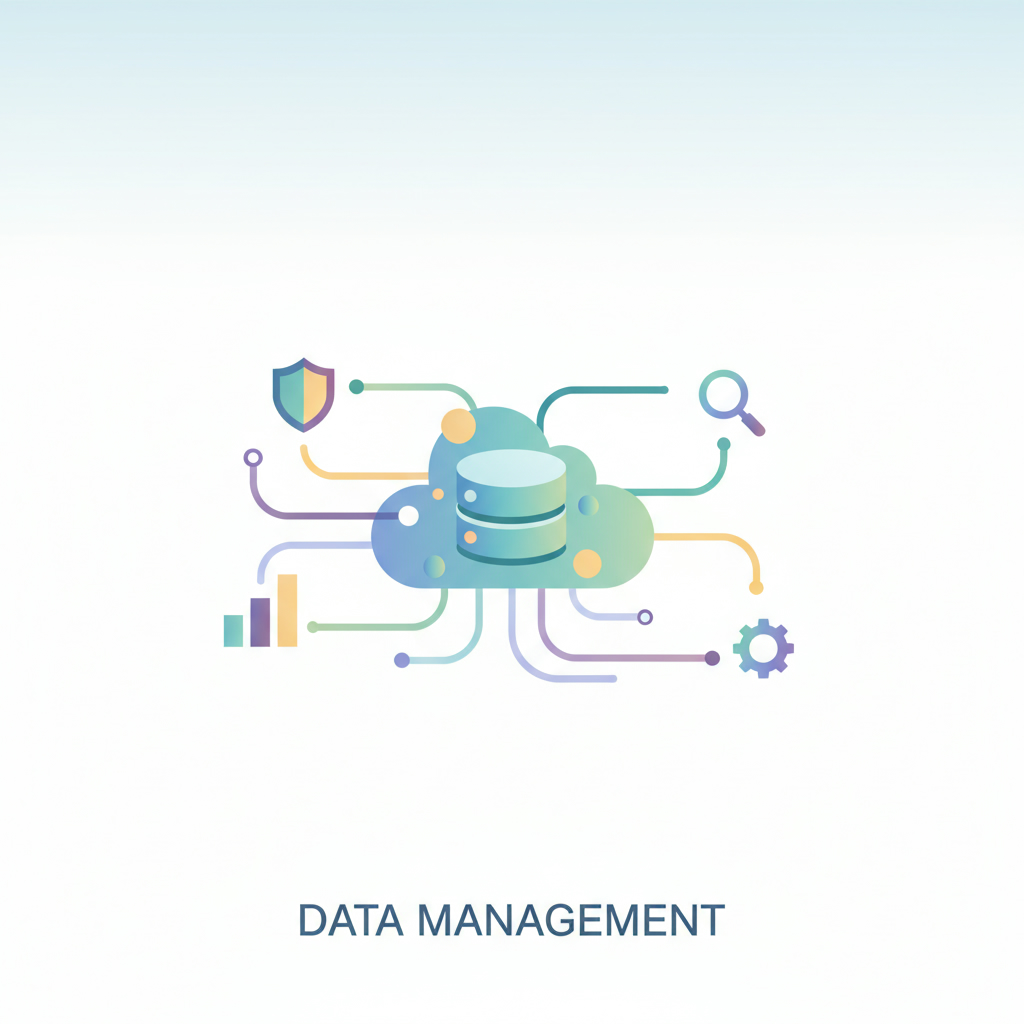
The Future of Data Roles in an AI-Driven World
As AI continues to evolve, the roles within organizations must adapt accordingly. The emergence of positions such as data librarians and AI engineers reflects the growing need for professionals who can bridge the gap between data management and AI application. These roles emphasize the importance of understanding data context, quality, and governance while leveraging AI to enhance business processes.
Evolving Job Functions
– Data Librarians: Responsible for maintaining data integrity and ensuring that data is easily accessible and usable for AI models.
– AI Engineers: Specialists focused on building and optimizing AI models, ensuring they align with business objectives.
By investing in these roles, organizations can create a more robust data ecosystem, enabling them to better harness AI capabilities.
Conclusion: Embracing AI as a Tool for Transformation
AI is a powerful tool that, when implemented correctly, can drive significant business transformation. However, organizations must approach AI with a grounded understanding of its mathematical foundations and the importance of readiness in both technology and culture. By focusing on smaller models, effective change management, and evolving job roles, companies can successfully navigate the complex landscape of artificial intelligence. For more insights on implementing AI in your organization, visit Implement Artificial Intelligence.
Embrace the journey of AI implementation, and prepare to unlock new possibilities for your business.