
In today’s digital landscape, implementing artificial intelligence (AI) is crucial for organizations aiming to enhance data privacy. With the rise in data breaches and stringent regulations like GDPR, businesses must leverage AI for effective data management and compliance. This guide explores how organizations can effectively implement AI to protect sensitive data and streamline privacy workflows. From core data classification tools to advanced features like real-time anonymization, AI offers invaluable resources for safeguarding personal information.
Understanding AI’s Role in Data Privacy
Artificial intelligence is revolutionizing data privacy management by automating processes that were once manual and time-consuming. According to a recent report from Gartner, organizations that have implemented AI services are reporting improved compliance rates and reduced risk. AI technologies can help in identifying and classifying sensitive data, ensuring that organizations are not only compliant but also proactive in their data privacy strategies.
Core AI Features for Data Privacy
When implementing artificial intelligence, organizations should prioritize the following core features:
1. Data Classification: AI can automate the identification of sensitive data, such as Personally Identifiable Information (PII) and Protected Health Information (PHI). By utilizing AI algorithms, businesses can efficiently build an inventory of sensitive data, allowing for better risk assessment and exposure management.
2. Real-Time Anonymization: AI enables the real-time anonymization of sensitive information as it enters the system. This feature ensures that data is masked immediately, reducing the risk of exposure during data processing and storage.
3. Automated Compliance Reporting: AI can simplify compliance with regulations like GDPR by automating reporting processes. Organizations can easily generate reports demonstrating their adherence to data privacy standards without manual intervention.
Premium AI Capabilities for Enhanced Data Protection
For organizations requiring advanced data protection, premium AI capabilities offer additional features:
– Anonymization Policies: These policies can be set to automatically anonymize data based on specific criteria or time frames, ensuring that sensitive information is handled appropriately throughout its lifecycle.
– Advanced Data Discovery: AI enhances data discovery by using techniques such as named entity recognition to identify sensitive data that might be overlooked by traditional methods. This is particularly beneficial for unstructured data, which often contains crucial PII.
– Attachment Scanning: AI can scan attachments for sensitive information, alerting administrators to potential breaches before they occur. This proactive approach is essential in environments where data is frequently shared across channels.
Implementing AI Workflows for Data Privacy
Implementing AI workflows can significantly streamline data privacy processes. Here are steps to consider:
1. Assess Current Data Practices: Begin by evaluating your organization’s existing data management practices. Understanding current workflows will help identify areas where AI can add value.
2. Define Use Cases: Determine specific use cases for AI within your organization. This could range from automating data classification to enhancing compliance reporting.
3. Select the Right AI Tools: Choose AI tools that align with your identified use cases. Opt for solutions that offer real-time anonymization and comprehensive data discovery capabilities.
4. Train Your Team: Ensure that your staff is well-trained in utilizing AI tools effectively. This will facilitate a smoother transition and maximize the benefits of AI implementations.
The Future of AI in Data Privacy
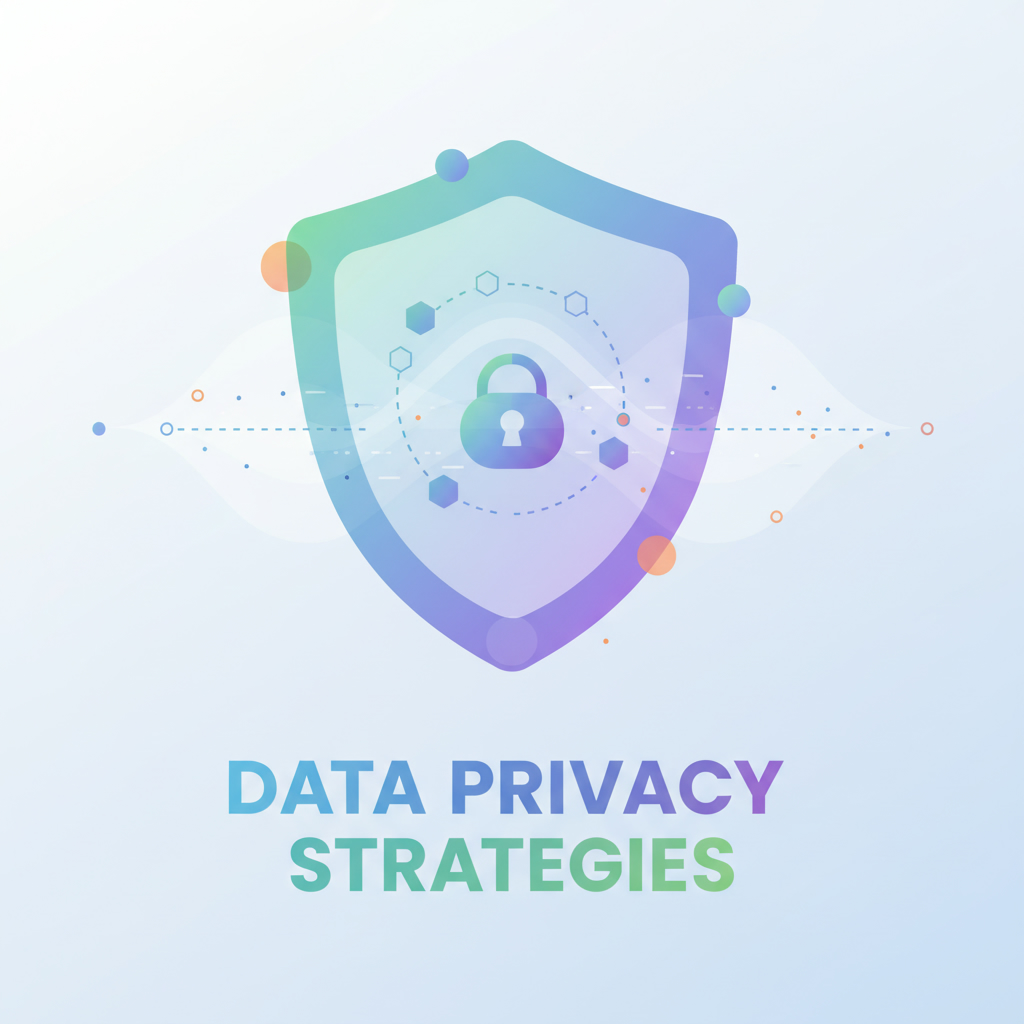
As data privacy regulations continue to evolve, the role of AI will become increasingly significant. Organizations must stay ahead of the curve by continually adapting their AI strategies to meet new challenges. By embracing AI, businesses can not only enhance their data privacy practices but also build trust with customers and stakeholders.
To learn more about how to implement artificial intelligence effectively in your organization, visit Implement Artificial Intelligence. Our resources provide a comprehensive guide to AI services that can transform your data privacy strategies.
AI is not just a tool; it’s a pivotal component in the future of data privacy. With its ability to automate processes, enhance discovery, and ensure compliance, implementing artificial intelligence is essential for organizations dedicated to protecting sensitive information.