Artificial Intelligence (AI) is transforming industries, but the critical question remains: how do you identify effective use cases for AI agents? Understanding where to implement AI can significantly enhance operational efficiency and customer experience. This guide will explore the essential strategies and tools to identify potential AI use cases in your business. By leveraging data analysis and process mining, you can pinpoint areas ripe for automation and improvement, ensuring that your investment in AI yields substantial returns.
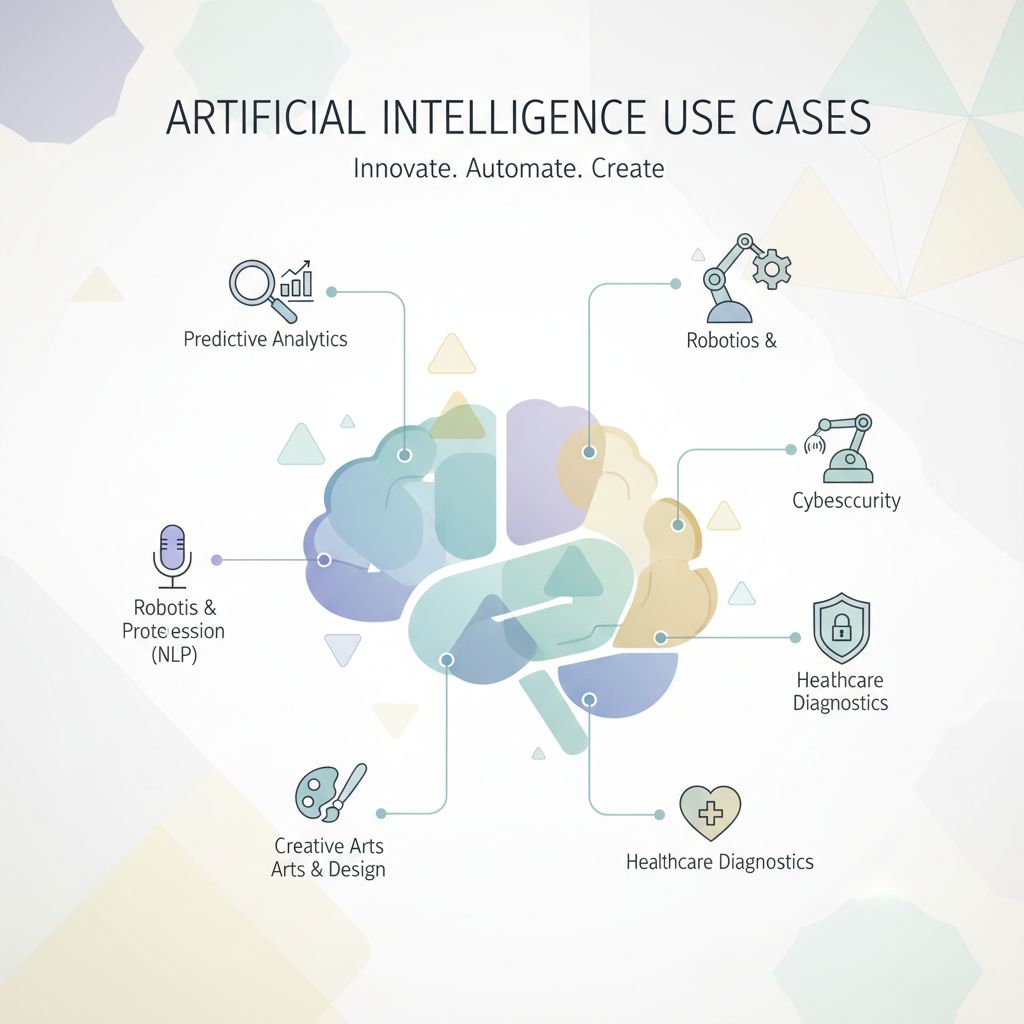
Understanding Your Business Needs for AI Implementation
When considering how to implement artificial intelligence in your organization, it’s essential to begin with a deep understanding of your unique business needs. Many executives focus on industry trends, but the reality is that you know your business better than anyone else. Identifying the specific challenges you face can lead to more targeted and effective AI workflows.
Utilizing Group Action Framework for Incident Clustering
One effective method to start identifying use cases for AI is through the Group Action Framework. This tool clusters incidents reported by your service desk, allowing you to see patterns in the types of issues your teams handle. For instance, if password reset requests or network performance complaints frequently arise, these are prime candidates for AI automation.
By analyzing the frequency and type of incidents, you can identify which processes AI can streamline, ultimately reducing the burden on human agents and improving response times. This framework is part of your existing AI services and can provide immediate insight into your operational bottlenecks.
The Power of Process Mining in Identifying AI Opportunities
Process mining is another invaluable tool that can help you visualize the entire lifecycle of your organizational processes. By examining the journey of incidents, HR cases, or customer interactions, you can uncover where inefficiencies exist. Research indicates that process mining can effectively eliminate subjective opinions in decision-making by relying on hard data and actual workflows.
For example, if a significant delay occurs between the intake and assignment of incidents, it may indicate a need for AI intervention. If your current system relies heavily on human judgment for categorization and assignment, this is a clear opportunity to implement AI. Automating these tasks ensures they are completed accurately and swiftly, allowing your human resources to focus on more complex issues.
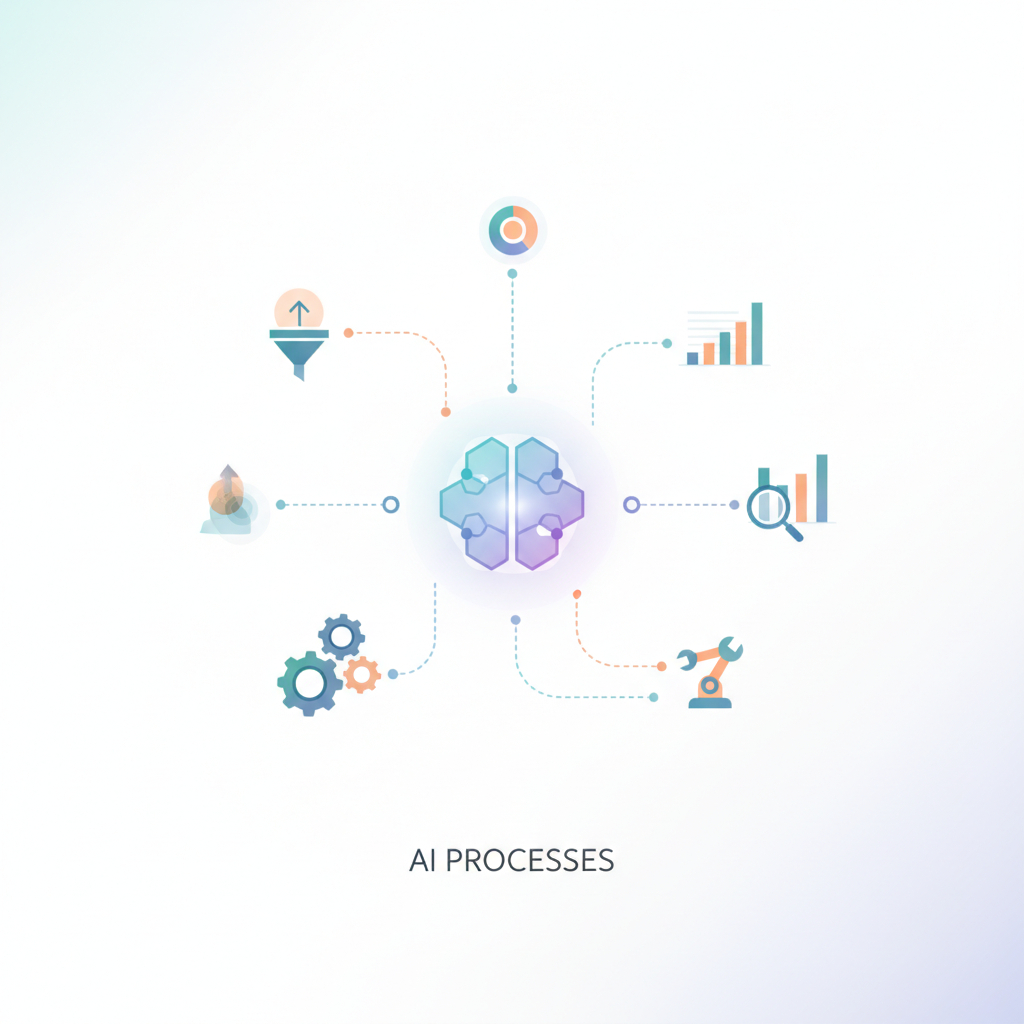
Assessing AI Readiness with Assist Readiness
Before implementing AI, it’s crucial to assess your organization’s readiness. The Assist Readiness tool can help evaluate whether you have the necessary knowledge articles and content to support AI agents. This assessment ensures that when you deploy AI, it has the information it needs to function effectively and enhance your service delivery.
This readiness evaluation can highlight gaps in your current knowledge base, allowing you to address these issues before fully integrating AI solutions. By ensuring your AI agents have access to comprehensive and accurate information, you can maximize their effectiveness and improve customer interactions.
Expanding AI Beyond IT: Use Cases Across Departments
It’s important to note that AI applications extend beyond IT. Both the Group Action Framework and process mining can be applied to various business functions, including HR and customer service management. Organizations that have the Process Mining Pro version can even integrate external log files to enhance their understanding of workflows across different platforms, such as Salesforce or HubSpot.
This cross-departmental approach to AI implementation can lead to innovative solutions that drive value and efficiency throughout your organization. As experts agree, focusing on the potential revenue growth through AI can often yield more significant benefits than merely seeking cost reductions.
The Importance of a Business-Centric Approach
When considering how to hire an AI expert or collaborate with an AI agency, it’s crucial to adopt a business-centric approach. Many executives concentrate on how to cut costs with AI but overlook the potential for growth. For example, one organization generated $250 million in new sales leads through improved customer service interactions facilitated by AI. This demonstrates how AI can drive top-line growth, not just operational efficiencies.
Key Takeaways for Implementing AI Successfully
1. Identify Specific Use Cases: Use tools like the Group Action Framework and process mining to pinpoint where AI can be most beneficial.
2. Assess Readiness: Ensure your organization has the necessary resources and knowledge to support AI initiatives.
3. Think Beyond Cost-Cutting: Focus on how AI can enhance revenue opportunities within your organization.
If you’re ready to take the next step in implementing artificial intelligence in your business, consider reaching out to an experienced AI agency. They can help you navigate the complexities of AI integration and maximize your investment.
Incorporating AI into your business processes can seem daunting, but with the right tools and strategies, you can identify effective use cases that drive real business value. By leveraging data-driven insights and focusing on specific needs, you can successfully implement AI solutions tailored to your organization’s objectives. Explore more about how to implement artificial intelligence effectively at Implement Artificial Intelligence.
Embracing AI technology not only streamlines operations but also positions your business for future growth and innovation. Start your journey today to harness the full potential of AI agents in your organization.