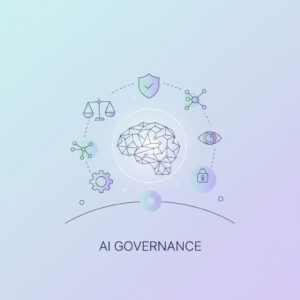

In today’s digital age, AI governance is not just a concern for data scientists or compliance teams; it’s a fundamental issue that impacts every level of an organization. As artificial intelligence continues to evolve, understanding how to effectively implement AI while ensuring ethical standards and compliance is crucial for success. This blog will delve into the importance of AI governance, explore frameworks for effective management, and provide actionable insights for businesses looking to harness the power of AI responsibly.
Why AI Governance Matters for Everyone
AI governance is often perceived as a responsibility belonging solely to compliance or legal teams, focused primarily on avoiding litigation and safeguarding reputation. However, this narrow view can lead to silos within organizations, resulting in missed opportunities and increased risks. Research shows that when AI governance is approached as a collaborative effort involving all stakeholders—engineers, business leaders, and compliance experts—the outcomes are significantly improved.
One common analogy is that of a car: just as seat belts and brakes are essential for safe driving, effective governance serves as a safety feature that allows organizations to innovate without compromising their integrity or trust. By integrating AI governance into the fabric of the organization, businesses can accelerate their AI initiatives while minimizing potential risks.
The Role of Engineers in AI Governance
To effectively implement AI, engineers must transition from their traditional roles to become strategic contributors to AI governance. Here are some key points to consider:
– Educate on Governance Frameworks: Engineers should familiarize themselves with frameworks such as the NIST AI Risk Management Framework and the EU AI Act. Understanding these regulations enables engineers to see the bigger picture and how their work impacts compliance and ethics.
– Collaboration Across Departments: By working closely with compliance teams and business leaders, engineers can help to articulate the technical implications of governance rules in a way that resonates with all stakeholders. This collaboration fosters a culture of accountability and shared responsibility.
– Governance as Code: One innovative approach is governance as code, which translates governance policies into machine-readable formats like JSON or YAML. This allows for automated compliance checks within software development processes, making governance an integral part of the AI workflows.
Implementing AI Governance: Steps to Success
To create a robust AI governance framework, organizations should follow a structured approach:
1. Establish Governance Teams: Form cross-functional teams that include representatives from engineering, compliance, and business leadership to oversee AI governance initiatives.
2. Develop an AI Governance Charter: This foundational document outlines the roles, responsibilities, and expectations for AI implementation across the organization. It should be a living document that evolves as the organization matures.
3. Conduct Regular Audits: Implement a schedule for reviewing governance policies and practices, ensuring they remain relevant and effective as technology and regulations evolve.
4. Educate Employees: Provide training and resources to help all employees understand the importance of AI governance and their role in it. This can foster a culture of compliance and ethical behavior.
The Future of AI Governance
As AI continues to permeate various industries, the need for comprehensive governance frameworks will only grow. Experts agree that AI governance should not be seen as an obstacle, but rather as a catalyst for innovation. By embedding governance within the development process, organizations can achieve a balance between speed and safety.
For more insights on how to effectively implement artificial intelligence in your organization, consider reaching out to an AI agency that specializes in governance solutions. The right AI services can help you create a sustainable and compliant AI strategy tailored to your business needs.
Embracing AI governance is not just about compliance; it’s about building trust with your users and stakeholders while driving innovation forward. To learn more about how to leverage AI effectively in your organization, visit Implement Artificial Intelligence.
In summary, AI governance is everyone’s responsibility. By fostering collaboration and establishing clear governance frameworks, organizations can navigate the complexities of AI with confidence, ensuring ethical practices and compliance while driving growth and innovation.