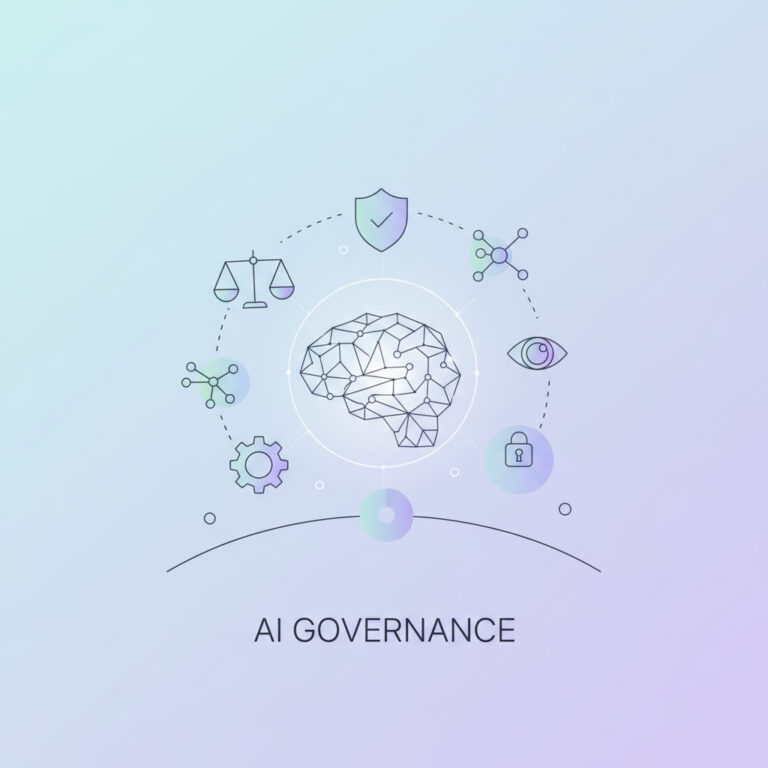

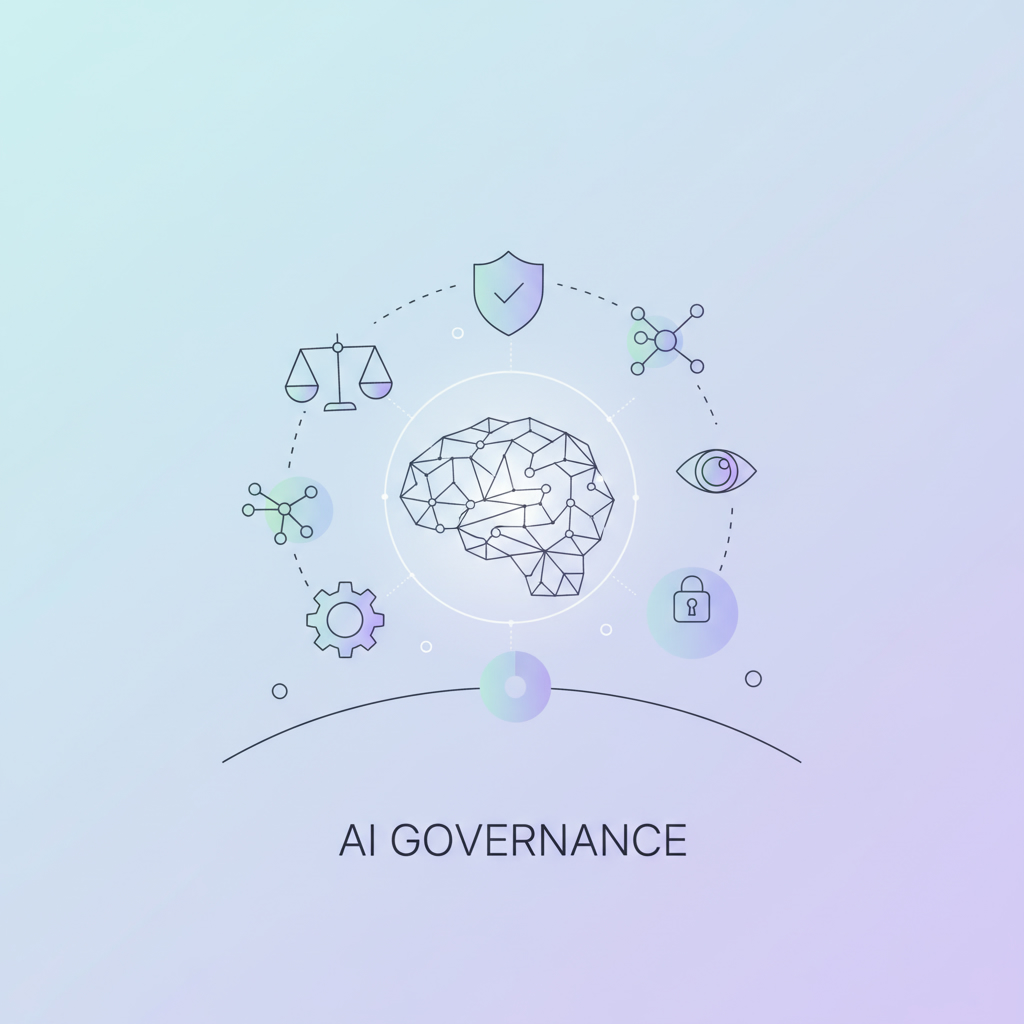
AI governance is a critical component for successful artificial intelligence implementation in any organization. As businesses increasingly integrate AI technologies, it becomes essential for everyone—from compliance teams to business leaders—to understand their roles in the governance process. Research shows that relying solely on top-down governance structures can lead to significant missteps and risks. Instead, a more collaborative approach is needed that encourages participation and accountability across all levels of an organization.
Understanding AI Governance
AI governance involves the rules, regulations, and ethical considerations surrounding the use of artificial intelligence in business. Many organizations mistakenly assume that governance is solely the responsibility of compliance teams, which often leads to a reactive approach—only addressing issues when they arise. This limited view can create silos within organizations, preventing effective communication and collaboration.
The Need for a Collaborative Approach
Experts agree that fostering a culture of participation is crucial. Implementing an AI collaboration charter can help unify efforts across departments, ensuring everyone understands their responsibilities. This charter serves as a framework that outlines the strategy for governance, promoting accountability and collective ownership of AI initiatives.
Bridging the Gap Between Governance and Engineering
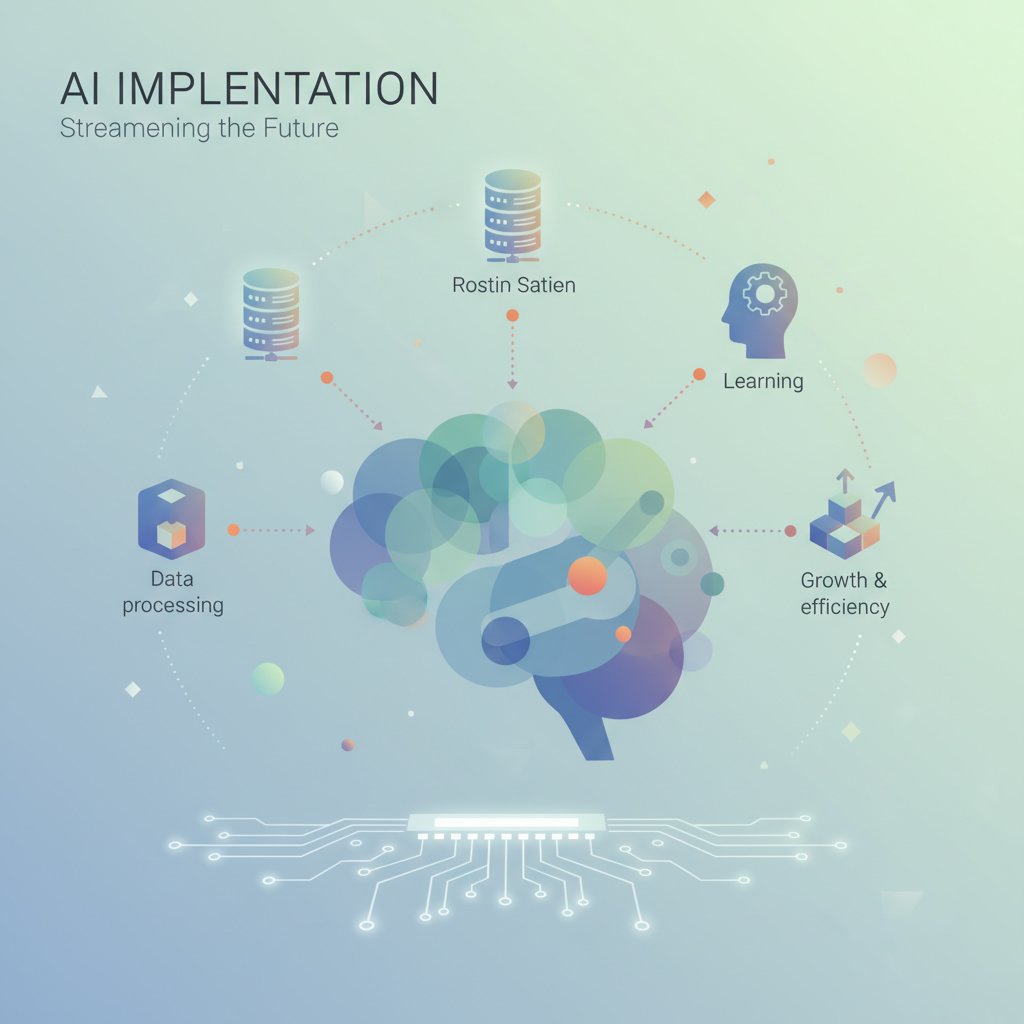
To truly implement AI governance, engineers must be engaged and understand how AI affects their work. This requires translating governance rules into practical frameworks that resonate with technical teams. Initiatives such as incorporating frameworks like NIST, ISO, and the EU AI Act into daily operations can make a significant difference. By redefining governance as part of the development process, organizations can ensure that compliance is integrated into the AI workflows from the ground up.
Implementing Governance as Code
One effective strategy for enhancing AI governance is the concept of governance as code. This approach allows organizations to codify their governance rules into their development and operational processes. By using tools like JSON, YAML, and version control systems such as GitHub, organizations can automate compliance checks, making it easier to monitor adherence to regulations. This not only improves efficiency but also provides a clear audit trail, offering proof of compliance.
The Role of Psychological Safety in AI Governance
Creating an environment of psychological safety is essential for effective AI governance. When team members feel safe to voice concerns about potential risks associated with AI, they are more likely to engage proactively in governance initiatives. Encouraging empathy toward users and customers is also vital, as it highlights the real-world impact of AI decisions. By integrating these principles into the governance framework, organizations can foster a culture that prioritizes responsible AI use.
Establishing Clear Ownership and Responsibility
With various teams involved in artificial intelligence governance, it’s crucial to establish clarity regarding roles and responsibilities. Utilizing a RACI (Responsible, Accountable, Consulted, Informed) matrix can help delineate these roles, ensuring that everyone knows who is responsible for what. Whether it’s the Chief Information Security Officer (CISO) or the Chief Data Officer, defining ownership is key to effective governance.
Moving Forward with AI Governance
As organizations continue to adopt artificial intelligence, it’s clear that AI governance must be a shared responsibility. By encouraging a proactive, collaborative approach, businesses can mitigate risks and harness the full potential of AI technologies. This cultural shift not only improves compliance but also enhances innovation and agility within teams.
If you’re looking to implement artificial intelligence in your organization effectively, consider partnering with an experienced AI agency that understands the nuances of governance. Visit Implement Artificial Intelligence to learn more about how we can help you navigate this critical landscape.
By making AI governance a priority, you not only protect your organization but also foster an environment where innovation can thrive. Embrace the challenge—after all, it’s everyone’s responsibility to ensure that artificial intelligence is used ethically and effectively in our businesses.