
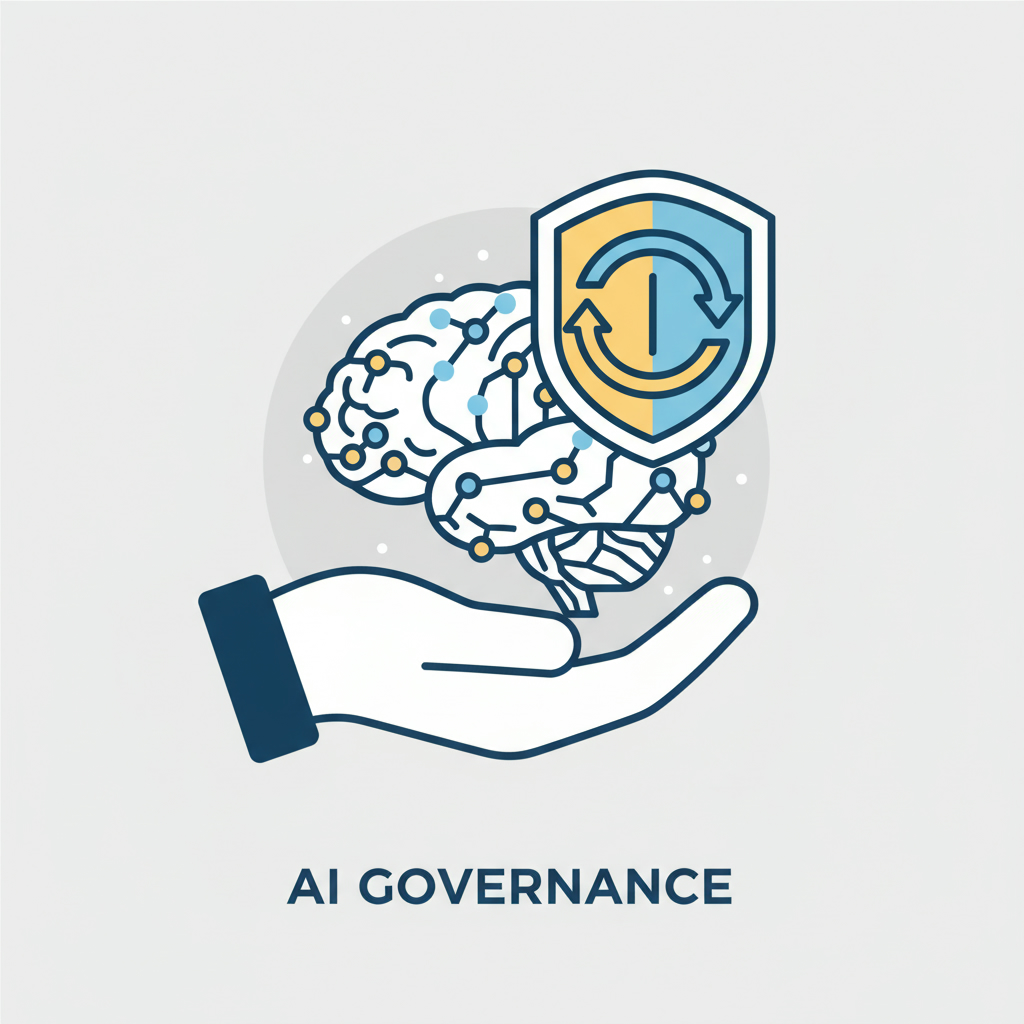
In today’s data-driven landscape, AI governance acts as a crucial business enabler. When organizations implement artificial intelligence, they often grapple with the misconception that governance equates to control and bureaucracy. However, true governance fosters collaboration and enhances value extraction from data. By understanding the essential role of governance in AI workflows, businesses can leverage AI services effectively to drive growth and innovation.
Understanding AI Governance
AI governance is often misunderstood as a restrictive framework filled with red tape. However, experts agree that effective governance should empower teams to utilize data freely while ensuring accountability and ethical usage. By emphasizing communication and collaboration, organizations can break down silos that typically impede innovation, allowing for better alignment between technical and business teams.
The Role of Multidisciplinary Teams in AI Implementation
A successful AI agency strategy involves bringing together multidisciplinary teams. When individuals from diverse backgrounds—technical experts, business strategists, and data analysts—collaborate, they unlock new perspectives that drive more comprehensive solutions. Research shows that diverse teams tend to outperform their homogeneous counterparts because they can address various aspects of a problem simultaneously.
The Importance of Listening and Empathy
An integral part of effective AI implementation is empathy. Organizations should encourage their teams to listen actively to one another. By fostering an environment where team members can share their daily challenges and insights, companies can tailor their AI solutions to meet real-world needs. This approach not only enhances team dynamics but also ensures that the AI solutions developed are relevant and impactful.
Aligning AI Solutions with Business Goals
When implementing artificial intelligence, it’s essential to align data strategies with overarching business objectives. This alignment can be achieved through frameworks like DOMA, which provide clarity on goals and help prioritize initiatives. Instead of following a rigid playbook, businesses should adopt a flexible approach that allows for iterative improvements and adjustments based on real-time feedback from stakeholders.

Avoiding the Governance Pitfalls
Without proper governance, organizations risk falling into a chaotic state where unregulated experimentation leads to inefficiencies and inconsistencies. Implementing guardrails not only helps prevent a free-for-all environment but also ensures that all team members understand the boundaries within which they operate. This clarity is vital for maintaining quality and accountability in AI projects.
Building a Culture of Collaboration
Culture plays a significant role in the success of AI services. Different organizations may exhibit varying degrees of formality in their processes, which can affect how teams interact with AI technologies. By cultivating a culture that values collaboration and open communication, businesses can enhance their ability to implement artificial intelligence solutions that are effective and sustainable.
Conclusion: Embracing AI Governance for Business Success
In conclusion, AI governance is not merely a set of rules but a vital framework that enables businesses to harness the full potential of their data. By fostering collaboration, understanding diverse perspectives, and aligning AI initiatives with business goals, organizations can truly become data-driven. If you’re looking to elevate your organization’s AI capabilities, consider partnering with an experienced AI agency. Explore how you can implement effective governance strategies by visiting Implement Artificial Intelligence. Embrace the power of artificial intelligence today and transform your business operations for the better.