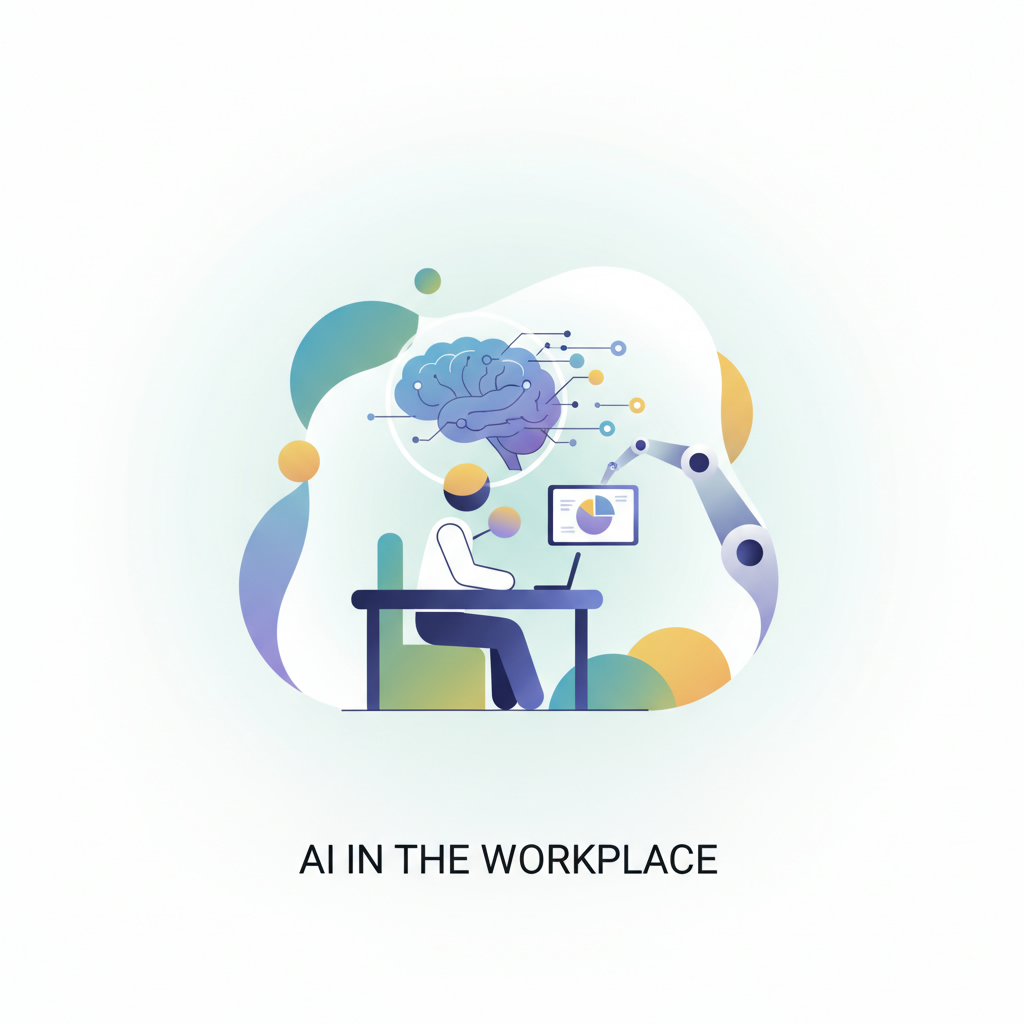
Artificial intelligence (AI) is revolutionizing the future of work, and understanding how to implement AI effectively can transform your business operations. As organizations increasingly invest in AI, it becomes essential to grasp the various dimensions of AI technologies, especially agentic AI. These advanced systems are designed not only to automate routine tasks but also to handle complex decision-making processes autonomously. In this article, we will explore the evolution of AI, the role of agentic systems, and how they can enhance workflows across industries.
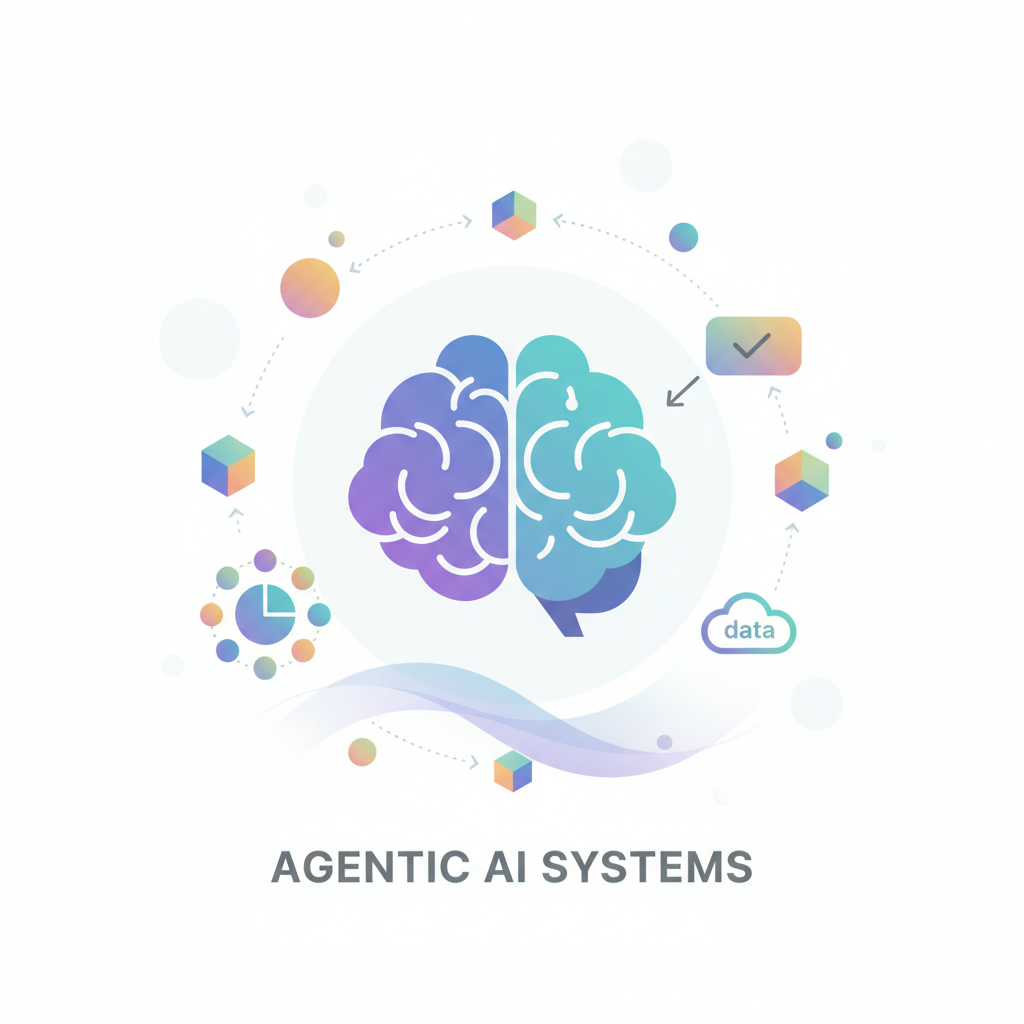
Understanding Agentic AI and Its Significance
Agentic AI represents a significant leap from traditional automation. While basic automation streamlines repetitive tasks, agentic AI leverages data and context to make proactive decisions. This advancement is crucial for organizations looking to optimize their operations and improve efficiency. Experts agree that implementing AI can lead to increased productivity, better decision-making, and ultimately, a competitive advantage in the market.
The Evolution of AI Workflows
The journey of AI began with simple automation, which laid the groundwork for more complex systems. Here’s how AI has evolved:
1. Basic Automation: Initial AI implementations focused on automating repetitive tasks, reducing human effort.
2. Predictive Intelligence: AI advanced to predictive workflows, utilizing historical data to forecast outcomes and enhance decision-making.
3. Conversational AI: With the advent of natural language processing (NLP), AI systems became more user-friendly, allowing users to interact through conversational interfaces.
4. Agentic AI: This level of AI can operate autonomously, making decisions based on a wide array of variables and real-time data.
This evolution signifies a shift towards systems capable of handling not just deterministic tasks but also complex, variable situations.
How Agentic AI Works in Practice
Agentic AI systems are designed to understand context and adapt to user needs, enabling them to provide tailored solutions. For instance, consider an AI agent like Ada, developed to analyze enterprise data. Unlike traditional AI that merely presents data, Ada comprehensively understands the context and goals of the user, transforming raw data into actionable insights. This capability highlights the importance of personalized AI solutions in driving efficiency and effectiveness in business processes.
The Role of AI Agents and Orchestrators
In a well-structured AI ecosystem, multiple AI agents work under a coordinated system. Here’s how it functions:
– AI Agents: Specialized to perform specific tasks, these agents communicate and collaborate to achieve defined goals.
– Orchestrator: This central system manages the agents, ensuring the right resources are allocated for the task at hand. It plays a critical role in navigating complex workflows and ensuring that tasks are completed efficiently.
This hierarchical structure allows businesses to leverage the strengths of various AI components, leading to smarter and faster decision-making processes.
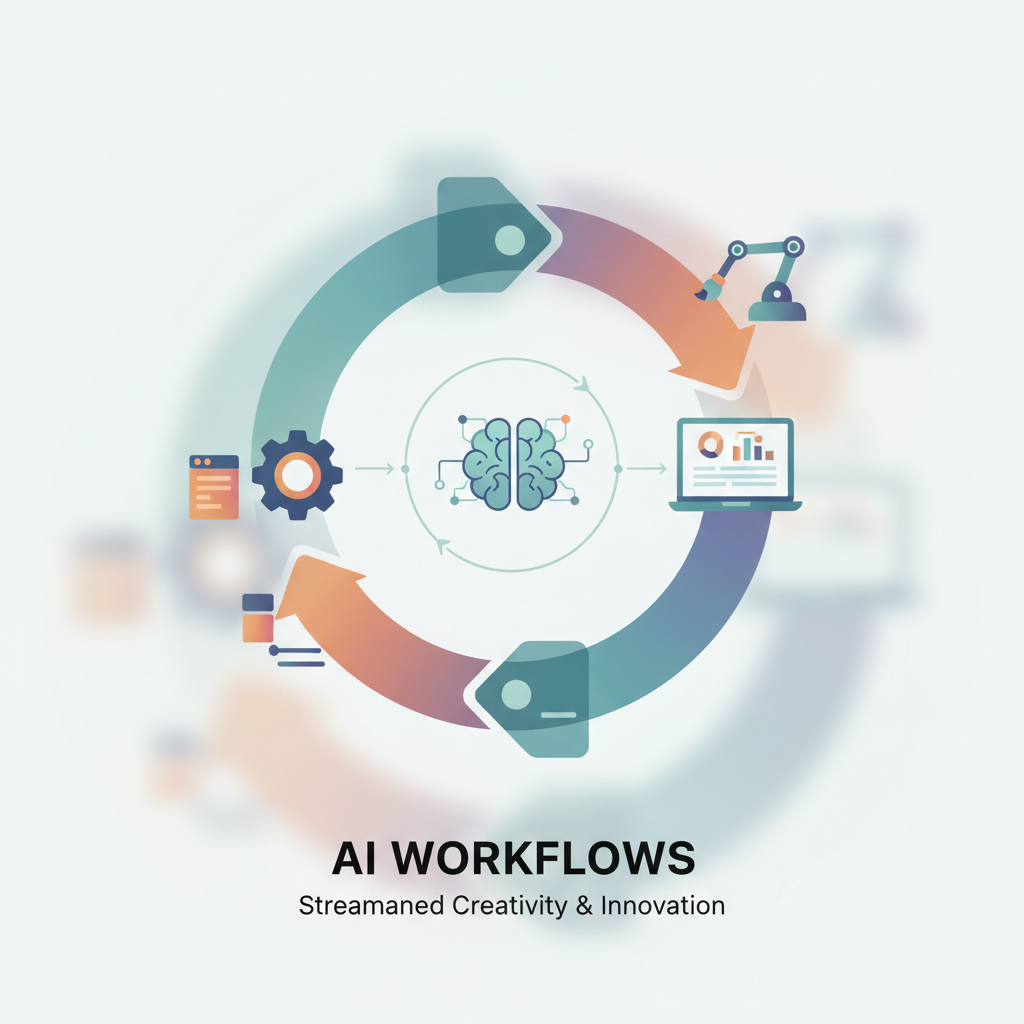
Trusting Your AI Insights
One of the most pressing concerns organizations face is how to ensure the insights generated by AI are trustworthy and actionable. Recent studies indicate that AI-generated insights can sometimes lack depth, merely showing correlations without providing actionable context. To address this, implementing robust evaluation frameworks, such as Insight Bench, is essential. This system automates the evaluation of AI insights, ensuring they meet quality standards and are grounded in factual accuracy.
Building Confidence in AI Systems
To cultivate trust in AI systems, it’s important to establish mechanisms that verify the insights produced. This includes:
– Transparency: Understanding how AI systems arrive at their conclusions.
– Accuracy Checks: Regularly validating data against original sources to prevent misinformation.
– User Training: Ensuring users are equipped to interpret and act on AI insights effectively.
By prioritizing these elements, organizations can mitigate risks and enhance the reliability of their AI systems.
Implementing Artificial Intelligence for Your Business
The journey toward implementing artificial intelligence in your organization begins with understanding your unique needs. Collaborating with an AI agency can help tailor solutions that align with your specific industry requirements. Here are some tips for a successful implementation:
– Identify Use Cases: Determine where AI can add value in your workflows.
– Choose the Right Partner: Selecting an experienced AI expert or agency is crucial for effective deployment.
– Start Small: Consider pilot projects to test AI applications before a full-scale rollout.
For those interested in exploring AI services further, visit Implement Artificial Intelligence for expert guidance on how to integrate these technologies into your business.
Conclusion: Embracing the Future of AI
As organizations continue to implement artificial intelligence, understanding the nuances of agentic AI becomes vital. These systems not only enhance operational efficiency but also empower decision-making across various sectors. By harnessing the capabilities of AI agents and ensuring the reliability of their insights, businesses can navigate the complexities of the modern landscape with confidence. If you’re ready to take the next step in your AI journey, consider partnering with an AI agency to unlock the full potential of these transformative technologies. For more information, check out Implement Artificial Intelligence.