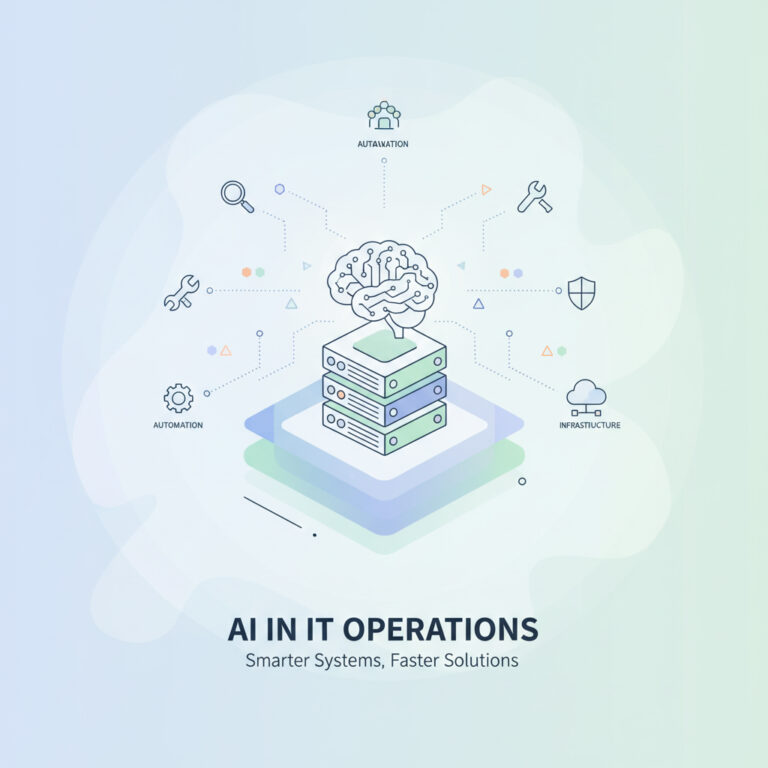

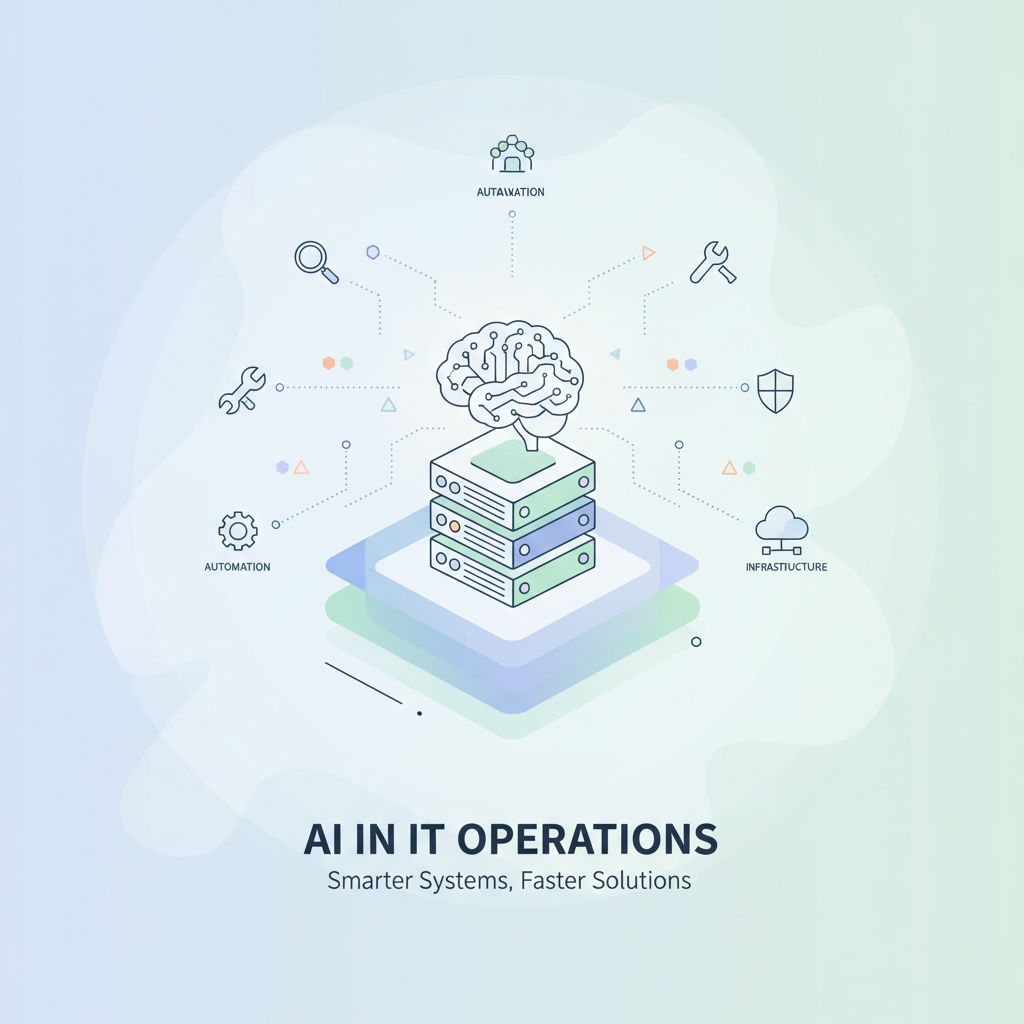
The rise of AI in IT operations has led to the revolutionary concept of federated teams, fundamentally transforming how organizations manage their IT environments. By implementing artificial intelligence, businesses can shift from a reactive approach of incident management to a proactive and even self-healing model. This blog explores how federated teams leverage AI services to optimize workflows, enhance visibility, and reduce operational costs while maintaining essential accountability.
The Importance of Proactive Incident Management in AI Workflows
In traditional IT operations, incidents often arise from ignored alerts and crossed thresholds, leading to a reactive stance that can cost organizations significantly in downtime and operational impact. Research shows that by adopting proactive strategies, companies can minimize these costs and enhance their operational efficiency.
According to studies, organizations with proactive incident management experience:
– Reduced downtime: By responding to alerts before they escalate, companies can maintain service continuity.
– Lower operational costs: Preventing incidents can save money that would otherwise be spent on recovery efforts.
– Enhanced decision-making: Immediate insights derived from AI bots and AI chat systems allow for quicker resolutions and improved accountability.
How Federated Teams Elevate AI Services
Federated teams represent an advanced model that amplifies self-healing operations across organizations. By ensuring that the right teams have focused visibility, federated teams mitigate noise and alert fatigue, which are common pain points in IT operations.
The Role of AI in Federated Teams
Experts agree that federated teams can operate like mini self-healing systems. Key benefits include:
– Filtered alerts: Each team receives alerts relevant to its specific responsibilities, streamlining response efforts.
– Increased autonomy: Team operators can address alerts directly without unnecessary dependencies on central teams.
– Faster incident resolution: Specialized teams can act quickly, reducing Mean Time to Recovery (MTTR).

Empowering Team Operators with AI
The integration of AI workflows into team operations allows for seamless management of alerts. For instance, team operators can log into tailored workspaces that display alerts specifically assigned to their teams. This tailored approach not only enhances accountability but also improves operational speed.
Automating Alert Management
Through advanced automation, alerts can be grouped based on similar descriptions, significantly reducing clutter and allowing team operators to focus on critical issues. By implementing effective automation strategies, organizations can:
– Group alerts: Consolidate scattered alerts for similar issues, creating a clearer picture of ongoing incidents.
– Respond promptly: With a simple click, team operators can initiate responses that fit their workflows, ensuring that issues are addressed swiftly.
The Future of Self-Healing Operations
The ultimate goal of federated teams is to achieve self-healing operations that can automatically detect, correlate, and resolve issues as they arise. This proactive stance prevents escalation and minimizes operational impact. By distributing autonomy across various teams, organizations can create a robust framework for incident avoidance at scale.
Achieving Autonomous IT Operations
As federated teams evolve, the focus on autonomy becomes more pronounced. Each team operates with a tailored view of alerts, ensuring that they remain focused on their domain. This distributed approach not only fosters accountability but also enhances the overall agility of the organization.

Get Started with Implementing AI in Your Organization
Adopting artificial intelligence and federated teams can significantly enhance your IT operations. If you’re looking to hire AI experts or partner with an AI agency, consider reaching out to Implement Artificial Intelligence for tailored solutions that fit your organizational needs.
By embracing these strategies, organizations can fully leverage the potential of AI, transitioning towards an operational model that emphasizes prevention and efficiency.
In summary, the integration of AI into federated teams is a game changer for IT operations. By embracing proactive incident management, organizations not only enhance their operational efficiency but also create a sustainable model for self-healing that can adapt to future challenges.