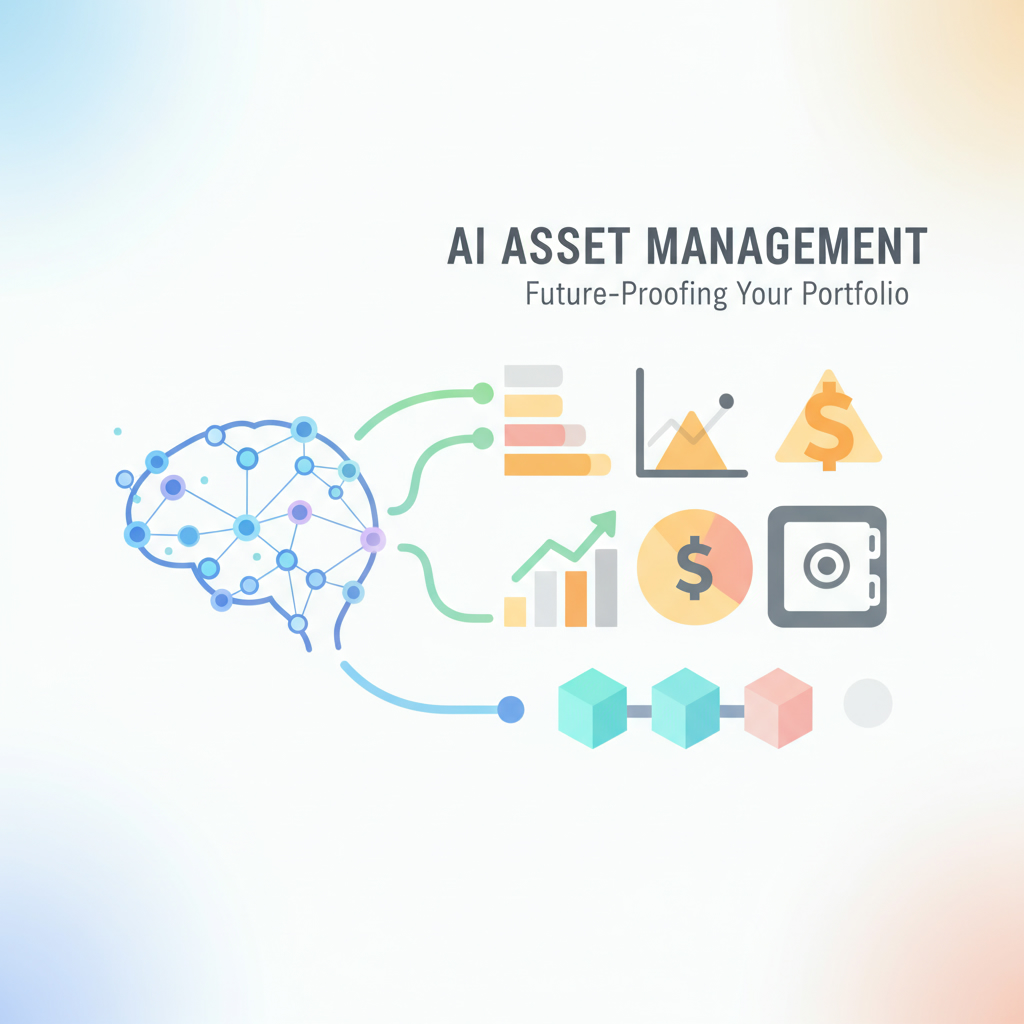
Artificial intelligence (AI) is transforming asset management, providing organizations with innovative ways to enhance their processes and decision-making. By harnessing AI, companies can effectively manage their assets, detect shadow IT, and streamline procurement processes. This article delves into the practical applications of AI in asset management, showcasing how businesses can implement AI solutions to achieve operational excellence and efficiency. Whether you’re looking to implement AI in your organization or hire an AI expert, understanding the potential of AI in asset management is crucial for success.
Understanding AI and Its Impact on Asset Management
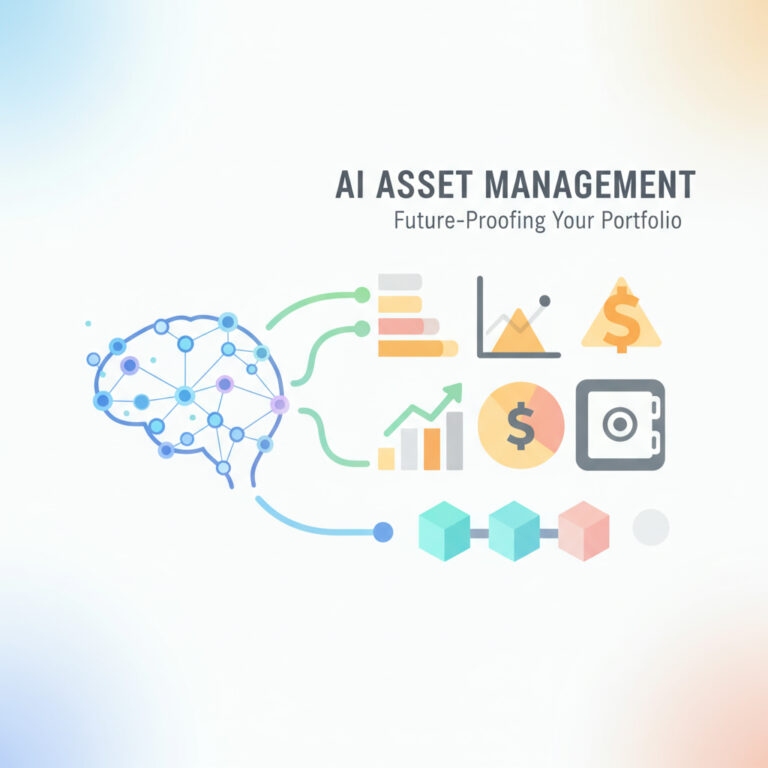
The increasing complexity of asset management has led organizations to explore AI as a solution for optimizing workflows and improving data analysis. Research shows that the integration of AI can significantly reduce manual efforts, enhance decision-making, and provide real-time insights into asset performance. With AI services, businesses can automate routine tasks, identify inefficiencies, and make data-driven decisions that contribute to overall operational excellence.
Leveraging AI for Shadow IT Detection
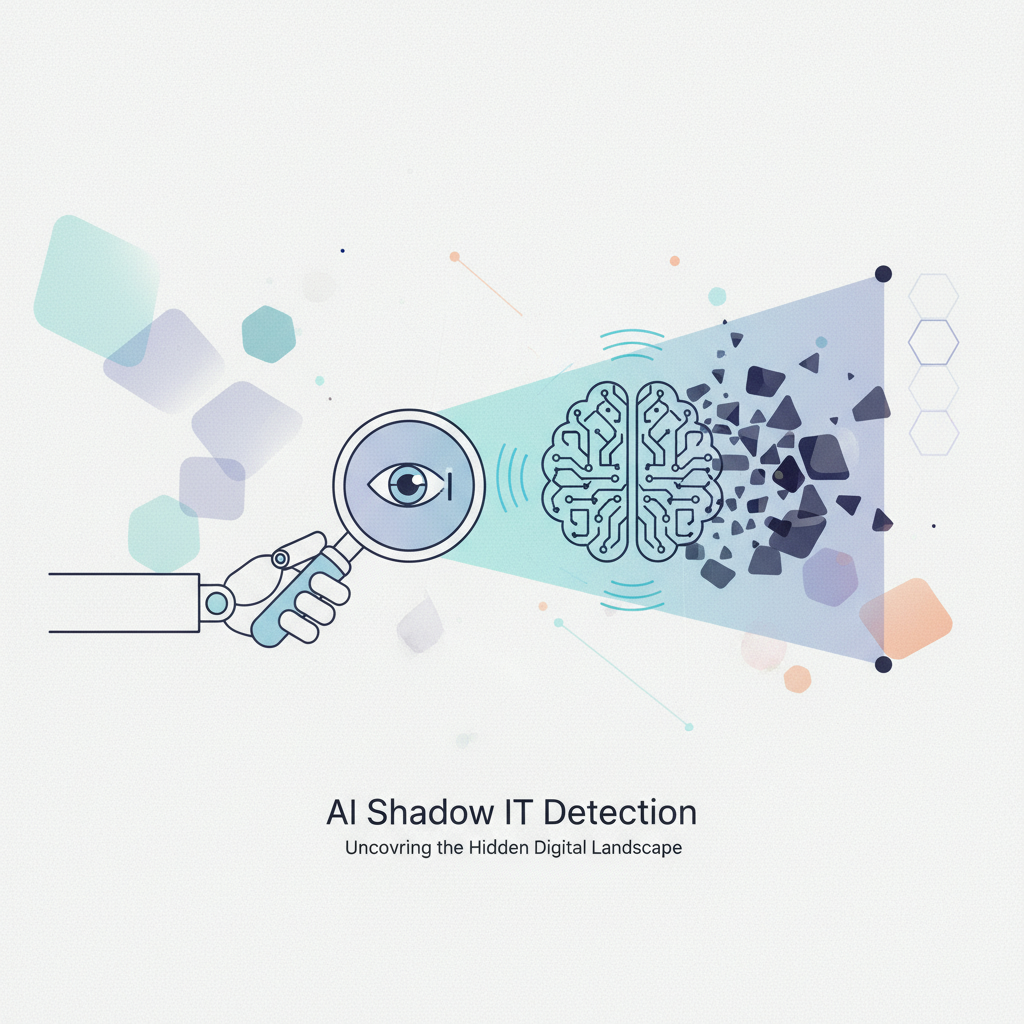
One of the key areas where AI can make a significant impact is in the detection of shadow IT. Shadow IT poses a substantial risk to organizations as employees often use unapproved software without the knowledge of the IT department. AI-driven solutions can help organizations monitor software usage, identify unmanaged applications, and mitigate associated risks. By implementing AI workflows that analyze financial transactions and software utilization, organizations can gain insights into their shadow IT landscape, ensuring compliance and security.
How AI Works in Shadow IT Detection
AI algorithms analyze data from various sources, such as financial records and software access logs, to identify patterns of unauthorized software usage. This proactive approach allows organizations to take action by engaging with employees who may be using unapproved applications. For example, an AI agent can automatically generate reports indicating unmanaged software, enabling IT teams to address potential security vulnerabilities and streamline software management processes.
Enhancing Procurement Processes with AI
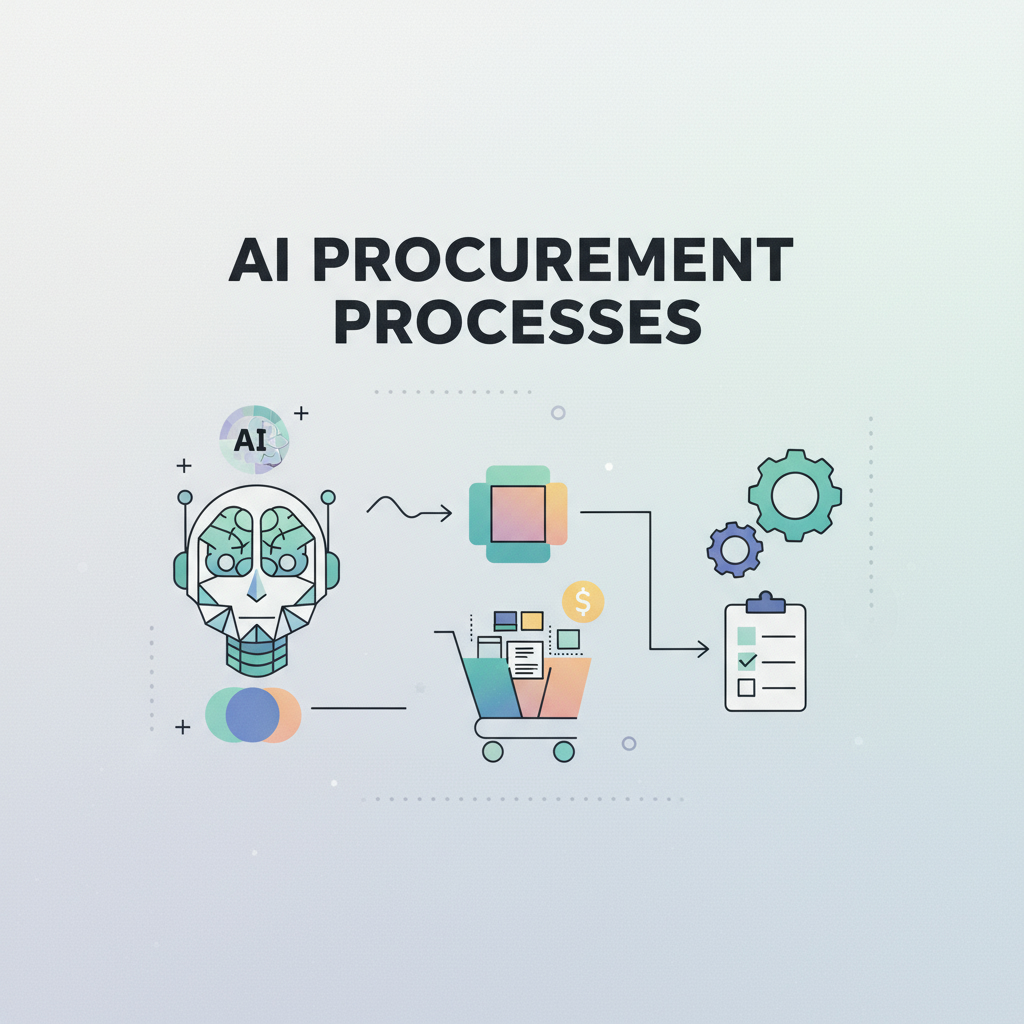
The procurement of software and assets is another area where AI can add significant value. Traditional procurement methods often involve extensive manual effort and can lead to inefficiencies. By integrating AI into procurement processes, organizations can automate the software suggestion process, ensuring that teams select the most suitable applications based on their needs and existing software entitlements.
The Role of AI in Procurement Workflows
When an employee requests new software, an AI agent can analyze the organization’s existing assets and recommend options based on functionality, user satisfaction, and compliance. This not only saves time but also ensures that employees are aware of available software and helps to prevent unnecessary purchases. By streamlining procurement workflows, organizations can effectively manage their software estate and maintain compliance.
Implementing AI Strategies for Asset Management
To successfully implement AI in asset management, organizations must focus on data quality and governance. Experts agree that the effectiveness of AI is heavily dependent on the quality of the data fed into the system. Therefore, organizations should ensure that their data is clean, organized, and up-to-date. This will enable AI algorithms to produce accurate insights and support better decision-making.
Steps to Implement AI in Your Organization
1. Assess Your Needs: Identify specific challenges in your asset management processes where AI can provide solutions.
2. Select Appropriate AI Tools: Choose AI tools that align with your organizational goals and can integrate seamlessly with existing systems.
3. Ensure Data Quality: Invest in data management practices to maintain clean and structured data.
4. Engage AI Experts: Consider hiring an AI agency or experts to guide your AI implementation and maximize its benefits.
Conclusion: Unleashing the Power of AI in Asset Management
Implementing artificial intelligence in asset management is no longer just a trend; it’s a necessity for organizations looking to stay competitive. By harnessing the capabilities of AI, businesses can improve their operational efficiency, streamline processes, and mitigate risks associated with shadow IT. As you consider the potential of AI for your organization, remember that the journey starts with understanding your needs and finding the right AI solutions.
For more insights on how to implement AI in your organization, visit Implement Artificial Intelligence.
Enhancing your asset management processes with AI can lead to significant improvements. If you’re ready to take the next step in leveraging AI for your business, consider contacting us today to learn how we can assist you in your AI journey.