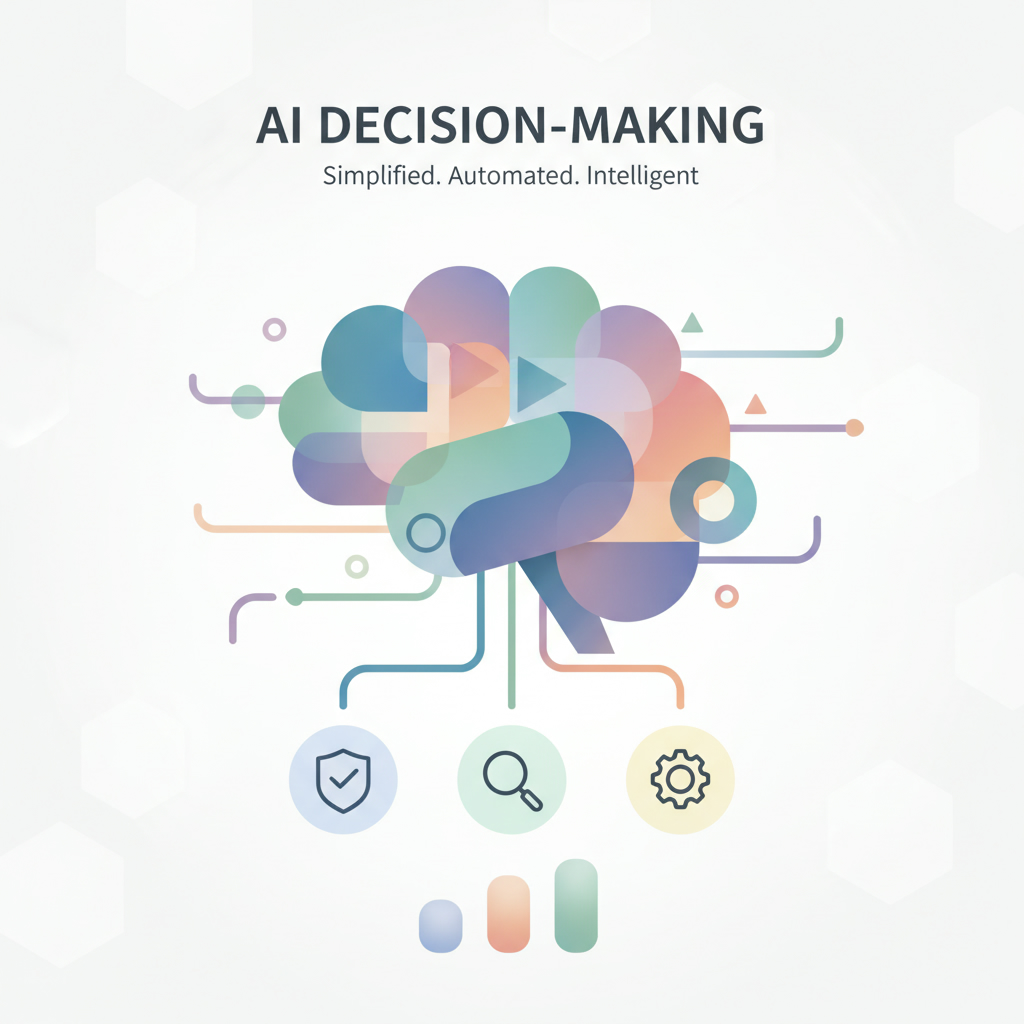
In today’s data-driven world, artificial intelligence (AI) has become essential for organizations aiming to enhance their decision-making processes. However, many companies encounter a significant challenge: a void between data and actionable decisions. This gap often arises because data transformation efforts focus primarily on technical capabilities rather than on decision-making frameworks. Understanding how to effectively implement AI can bridge this divide and empower leaders to make informed choices based on comprehensive insights.
Understanding the Organizational Void
Research shows that the role of a Chief Data Officer (CDO) is often misaligned with organizational needs. Instead of driving decision-making capabilities, many CDOs are tasked with merely providing data visibility. This focus on data exposure, while important, does not equate to improved decision-making. Companies need to understand that data should not only be visible but also actionable.

Studies indicate that effective decision-making is rooted in understanding the intricate relationships between different business functions. Data can serve as the connective tissue between these functions, facilitating better decision-making when integrated into the organizational fabric. Companies should prioritize establishing decision systems that align with their strategic goals.
The Role of AI in Decision Systems
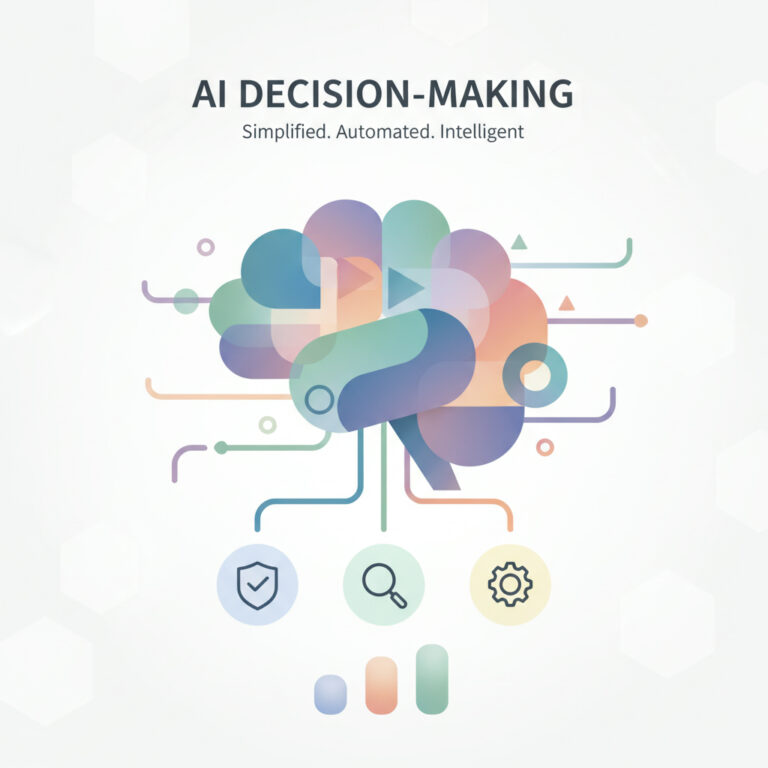
Implementing AI allows organizations to automate and enhance their decision-making processes. Here’s how AI services can transform traditional decision-making:
1. Data Integration and Analysis: AI tools can aggregate data from various sources, providing a holistic view that informs better decisions.
2. Predictive Analytics: Machine learning algorithms can analyze historical data to forecast future trends, allowing businesses to proactively address challenges.
3. Decision Automation: AI can automate routine decision-making processes, freeing up human resources for more strategic tasks.
By leveraging AI, organizations can transition from merely counting data to understanding the implications of that data on their operations. As a result, businesses can enhance their ability to make informed decisions that drive growth.
Building a Decision-Oriented Culture
To successfully implement AI and bridge the gap between data and decisions, organizations need to cultivate a decision-oriented culture. Here are essential steps to achieve this:
– Document Decision Processes: Clearly outline how decisions are made within the organization. This documentation should be accessible and continuously updated to reflect changes in strategy or market conditions.
– Training and Development: Invest in training programs that enhance employees’ ability to interpret data and apply insights to their specific roles.
– Foster Collaboration: Encourage cross-departmental collaboration to ensure that all relevant perspectives are considered in decision-making processes.
By prioritizing these elements, organizations can create a robust framework that supports effective decision-making.
The Future of AI-Driven Decision Making
As we look to the future, the integration of AI into organizational decision-making will only grow. With advancements in technology, AI can become increasingly adept at providing actionable insights. However, for this to happen, businesses must be willing to:
– Embrace Change: Transitioning to a data-driven decision-making culture requires a shift in mindset that embraces innovation and change.
– Invest in AI Infrastructure: Developing a solid AI infrastructure that supports decision systems is crucial. This includes investing in tools that facilitate data integration, analysis, and visualization.
– Measure Outcomes: Continuously evaluate the outcomes of decisions made with AI insights to refine processes and improve future decision-making capabilities.
By focusing on these areas, organizations can harness the full potential of AI, transforming data into meaningful decisions that drive success.
Transforming Data into Decisions with AI
To truly capitalize on the benefits of AI, organizations must move beyond traditional views of data management. Instead of seeing data as an isolated asset, it should be viewed as a critical component in the decision-making process. AI can facilitate this transformation, but it requires a comprehensive approach that integrates data with actionable insights. Businesses looking to implement AI effectively should consider collaborating with an AI agency that specializes in tailoring solutions to their specific needs.
For more information on how to implement artificial intelligence within your organization and bridge the gap between data and decisions, visit Implement Artificial Intelligence.
Embrace the future of decision-making with AI and transform your data into actionable insights that drive your organization forward.
Conclusion
In conclusion, the void between data and decisions can be bridged through effective use of AI. By adopting a decision-oriented approach and leveraging advanced analytics, organizations can enhance their decision-making capabilities. Embracing this transformation is critical for businesses aiming to thrive in an increasingly competitive landscape. For further assistance in implementing AI solutions, reach out to Implement Artificial Intelligence.