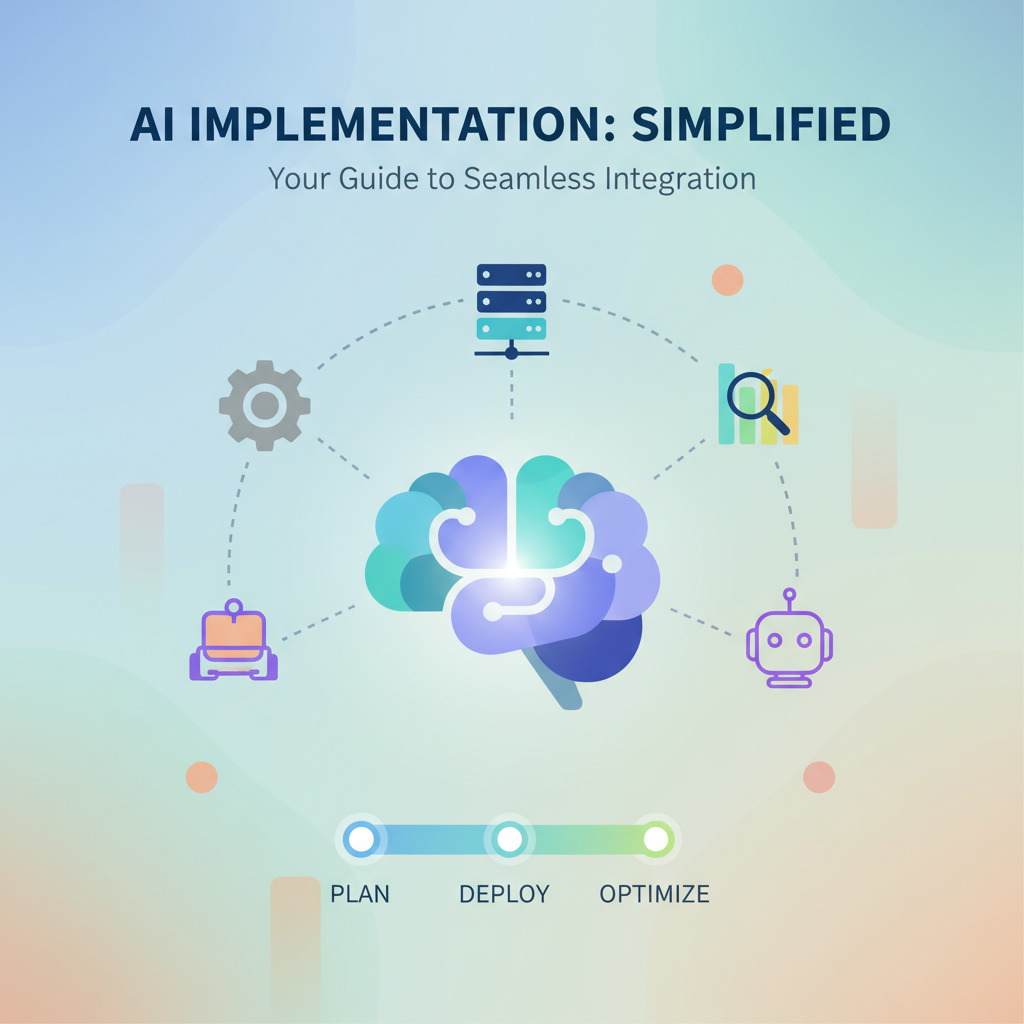
In today’s rapidly evolving business landscape, the integration of AI is not just an option but a necessity for organizations aiming to bridge the gap between data and decisions. With the explosion of data available, companies often find themselves overwhelmed, struggling to make informed decisions that drive growth and efficiency. This post explores how implementing artificial intelligence can transform data into actionable insights, enhancing decision-making processes across various sectors.
Understanding the Organizational Void in Decision-Making
Research shows that many organizations face a significant void when it comes to translating data into effective decisions. This gap often stems from a technical focus within data-driven teams, particularly among Chief Data Officers (CDOs). While technical expertise is crucial, it’s equally important to align data capabilities with operational decision-making.
According to industry experts, successful organizations focus on developing decision systems that are closely integrated with their data strategy. This approach allows decision-makers to leverage key metrics or ‘North Star’ indicators that guide their actions. Instead of merely improving existing processes, businesses should prioritize understanding how AI can enhance decision frameworks.
The Role of AI in Transforming Decision-Making Processes
Implementing AI effectively within an organization requires a shift in mindset. Here are some essential strategies:
Deconstructing Decision-Making Models
To optimize decision-making, it’s vital to deconstruct the most important decisions made within the organization. This involves identifying leading indicators and understanding how decisions are formed. By applying AI workflows, organizations can streamline these processes and ensure that decisions are data-driven and well-informed.
Establish, Enable, and Exploit AI Capabilities
Experts advocate for a three-pronged approach: Establish, Enable, and Exploit. While the first two steps focus on automating data collection and analysis, the last step—Exploit—is where data transformation takes place. This phase is crucial for making data actionable and ensuring that decisions are supported by robust metrics and processes.
The Integral Relationship Between Data and Decisions
AI agencies emphasize that the relationship between data and decision-making is reciprocal. The insights generated from data should not only inform decisions but also enhance the data’s quality and relevance. This cyclical process can lead to more refined and effective organizational strategies.
Governance and Decision Infrastructure
As organizations navigate their AI transformation journey, it’s important to consider governance structures. The role of CDOs is evolving, focusing more on creating decision infrastructures rather than making decisions themselves. Collaborating with Chief Operating Officers (COOs) ensures that the decision-making process is not only efficient but also aligned with broader organizational goals.
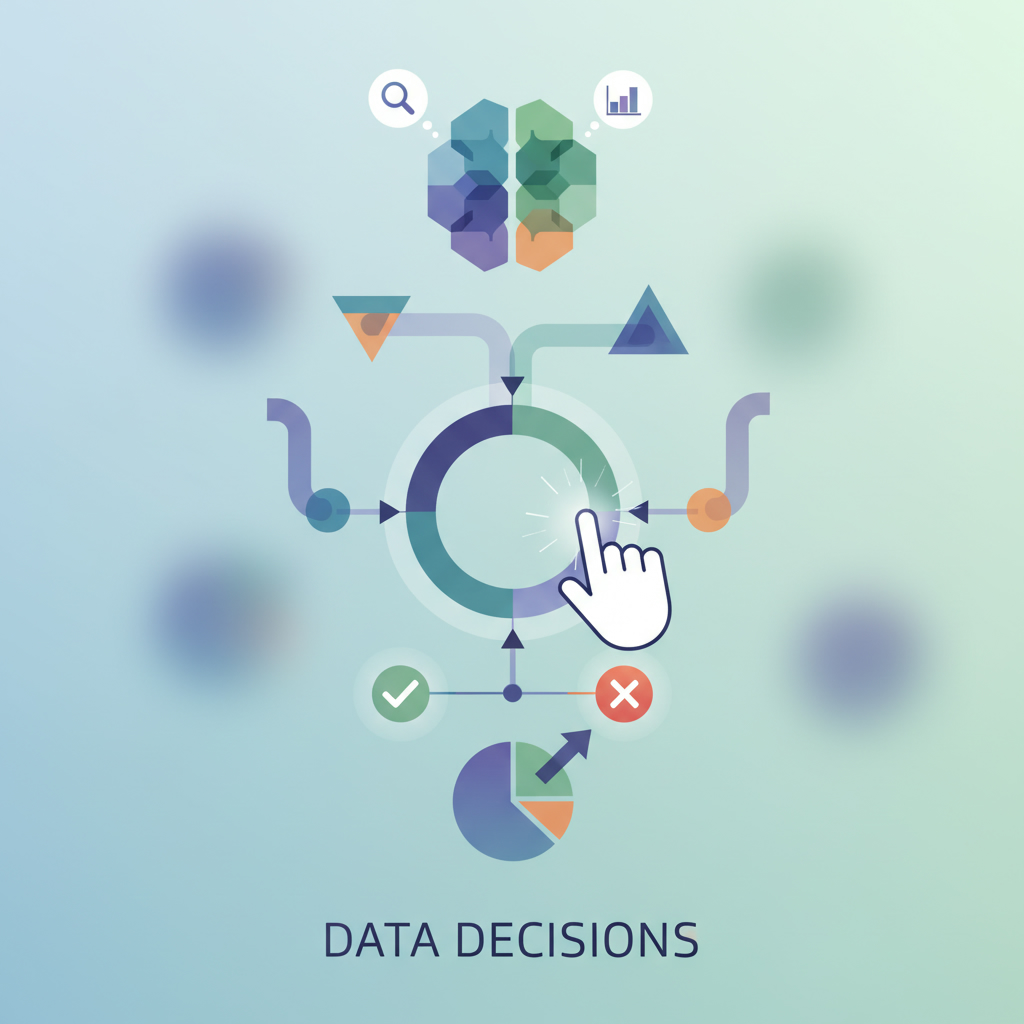
Practical Steps to Implement AI for Better Decision-Making
To leverage AI effectively, organizations should consider the following steps:
1. Identify Key Decisions: Focus on the decisions that significantly impact the bottom line. Understanding these can guide where to apply AI solutions effectively.
2. Develop Decision Frameworks: Create frameworks that allow for real-time data usage in decision-making, ensuring responsiveness to market conditions.
3. Invest in AI Talent: Hiring the right AI experts is pivotal. These professionals can help integrate AI into existing workflows and enhance decision-making capabilities.
By following these guidelines, organizations can start to close the gap between data and decisions, ultimately driving better outcomes.
Conclusion: The Future of AI in Decision-Making
As organizations continue to explore the benefits of AI, the focus should be on transforming how data is utilized to inform decisions. Implementing artificial intelligence is not merely about improving processes; it’s about strategically using insights to enhance decision-making frameworks. By recognizing and addressing the void between data and decisions, companies can position themselves for sustained growth and success. To learn more about how to implement AI in your organization, visit Implement Artificial Intelligence.